
Last Updated: September 2026 | Sourced via SantEnt Procurement Team
McMaster-Carr Fastening & Joining
SantEnt, established in 1977, is an independent procurement partner for McMaster-Carr Fastening and Joining Parts in India, alongside formal authorised distributor status with Schaeffler, FAG, INA, Dodge, RBC, BeCo and Optibelt — serving Mining, Aerospace, Electronics, Machine Tools, Automation, Robotics, and Process Industries. Over nearly five decades, SantEnt has built the import, customs, and quality-verification infrastructure Indian manufacturers need to source specialised fastening hardware without managing an international vendor relationship alone.
McMaster-Carr, founded in 1901, runs one of the world’s largest catalogs of engineering goods — 700,000+ products spanning raw materials, plumbing, and electrical components. Its Fastening and Joining division spans more than 20 categories, from screws and bolts to threaded inserts and specialty fasteners. Direct international orders mean navigating export documentation, freight, and customs — SantEnt removes that friction, letting a design engineer specify a part number, thread class, or material grade and receive this product domestically instead.
Product Range:
SantEnt brings McMaster-Carr Fastening and Joining Parts to Indian buyers, sourcing, consolidating, and delivering this product line with the same reliability Indian industries expect from a local partner. Rather than navigating international ordering directly, customers get a single point of contact for identification, procurement, and logistics — ensuring genuine McMaster-Carr Fastening and Joining Parts reach you on time, whether the requirement is a single specialty screw or a recurring bulk order of structural bolts for a production line. Every quote SantEnt issues is built against the buyer’s own part number, drawing, or physical sample, rather than a generic category listing.
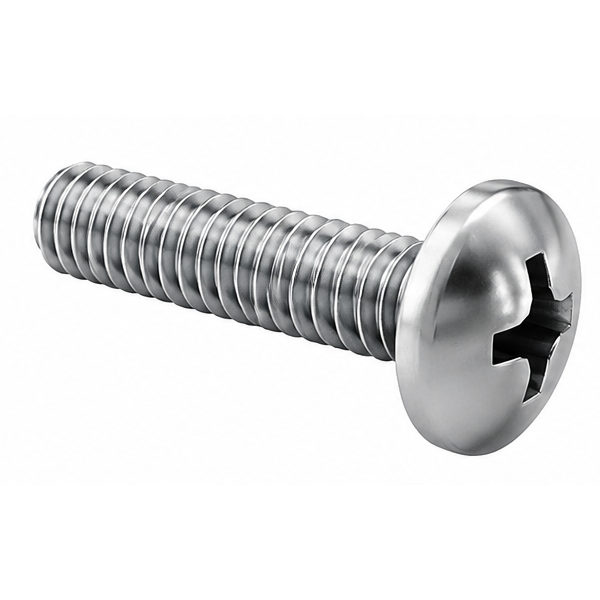
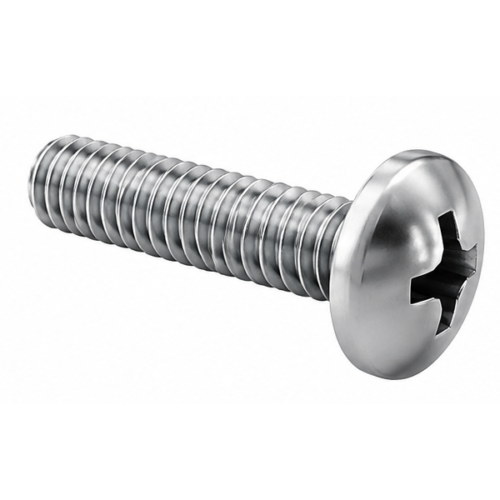
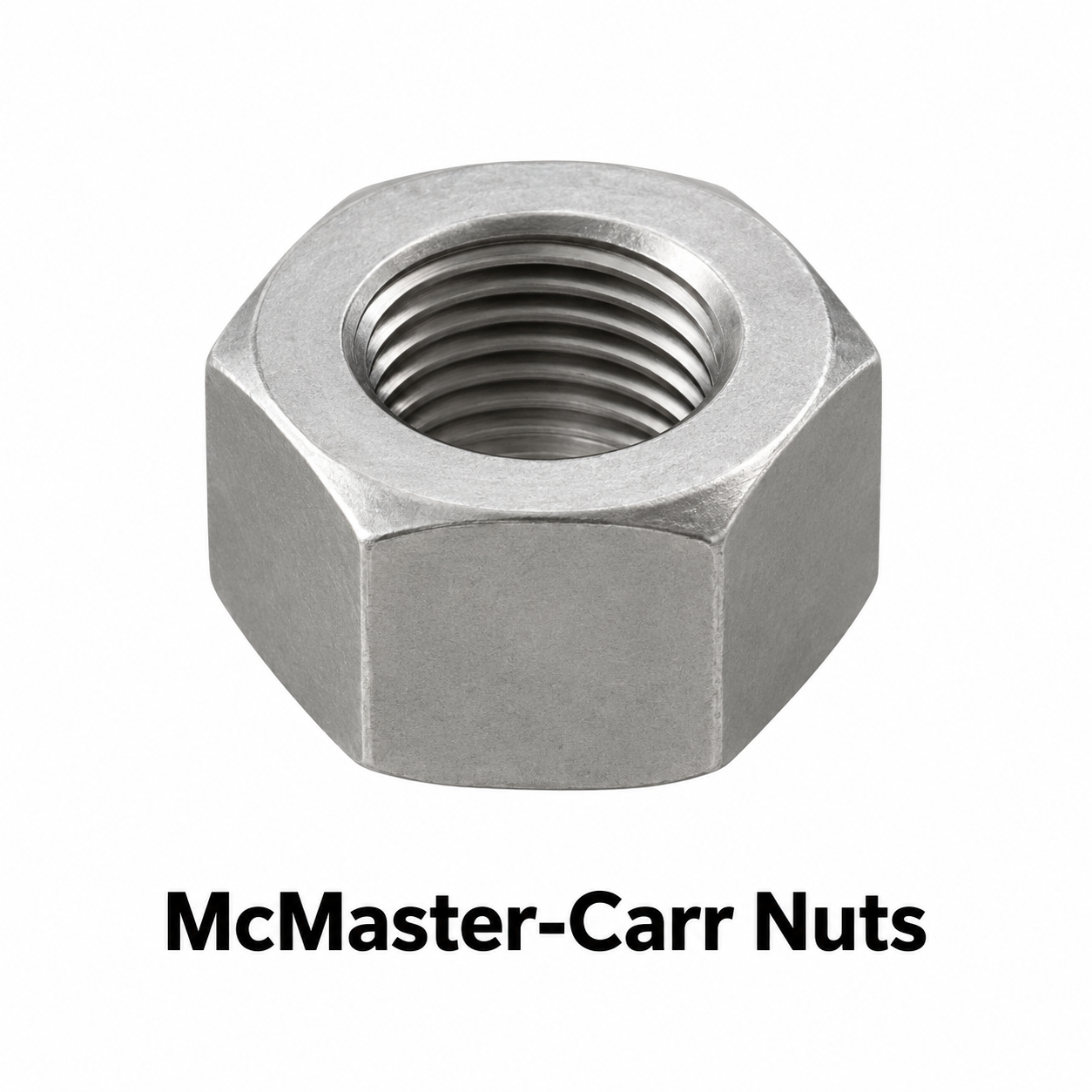
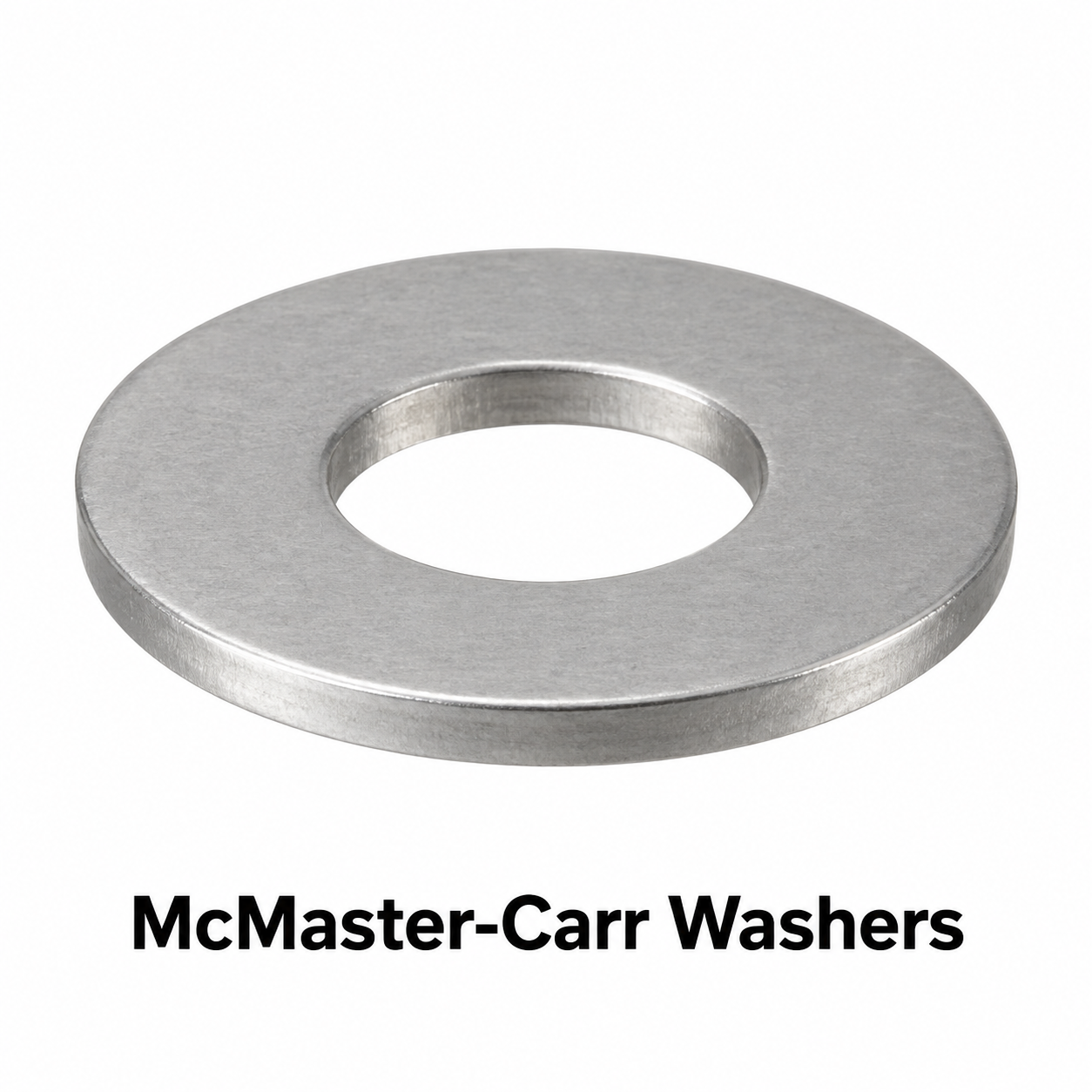
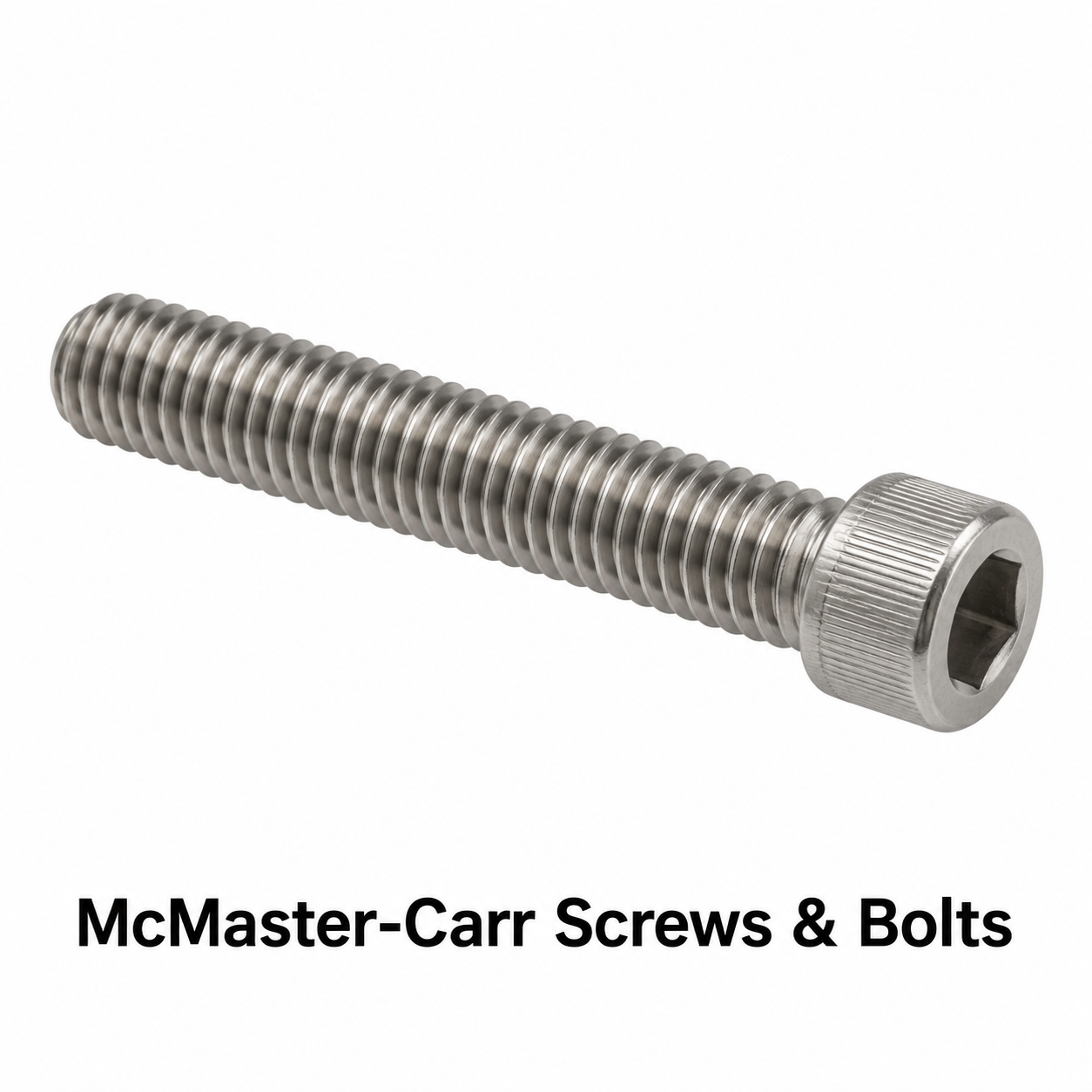
This McMaster-Carr Fastening and Joining Parts division covers more than 20 categories, each mapped to a specific mechanical joining task found across Indian manufacturing, construction, and assembly operations. Screws and bolts are the most widely used fasteners in this range, joining components across nearly every industry, while nuts and washers complete the threaded connection, distributing load and preventing loosening under vibration. This product family alone accounts for the largest single share of what a facility reorders on a recurring basis.
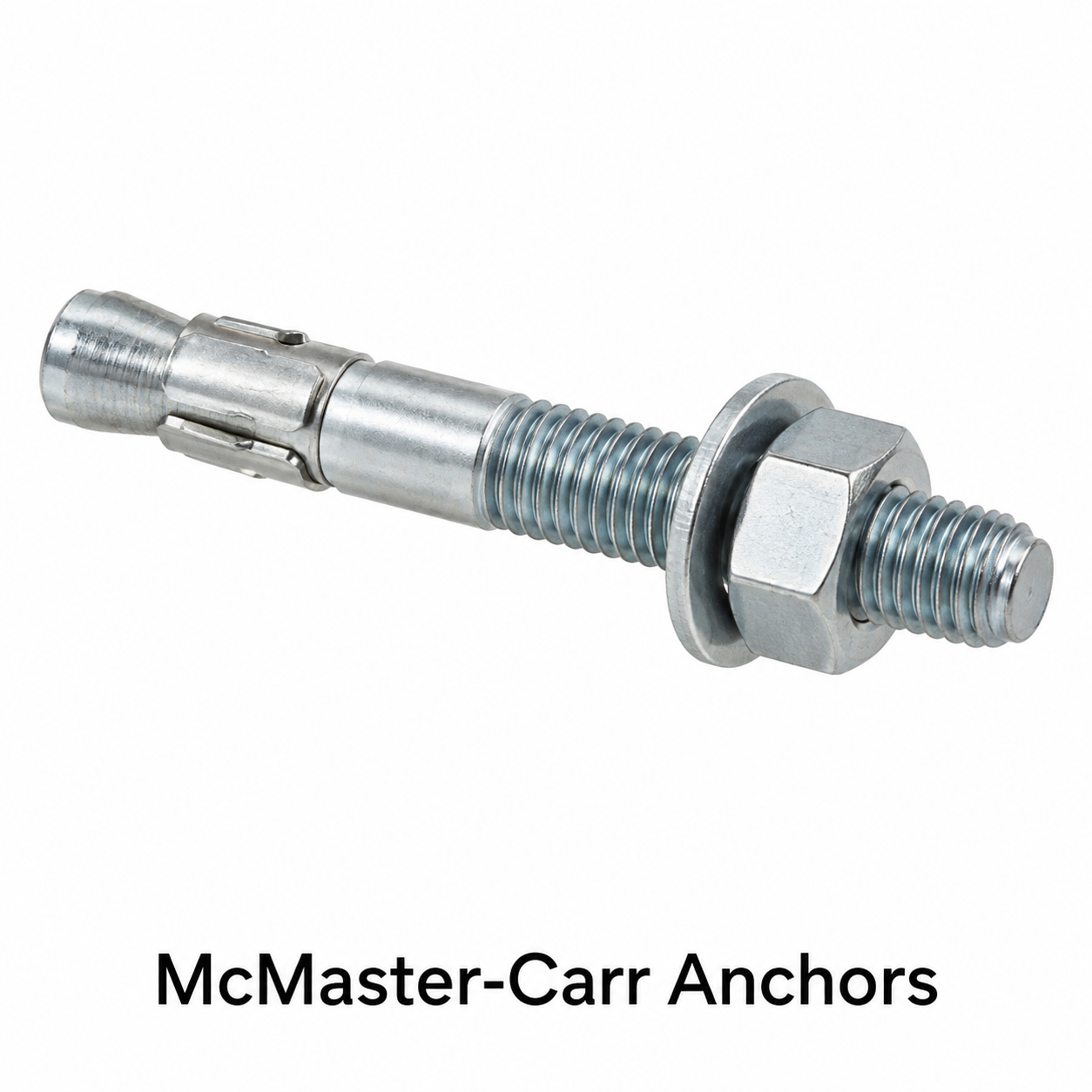
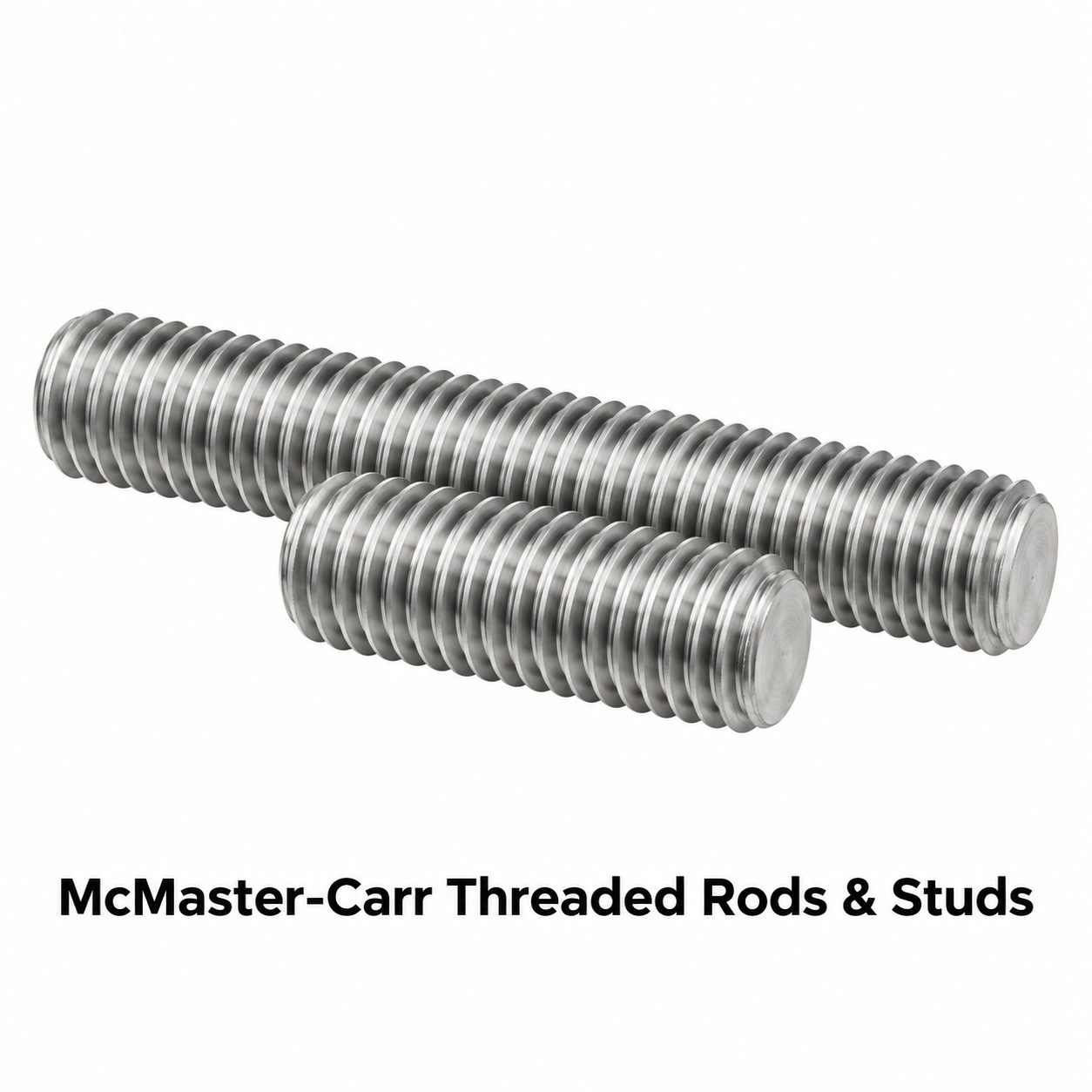
Studs and threaded rod extend a threaded connection beyond a standard bolt length, and set screws lock a component in place on a shaft without a separate nut, common in pulley and collar applications. Socket head screws provide a low-profile, high-strength fastening option for recessed applications, and structural bolts join load-bearing members in construction and heavy fabrication work, where a standard machine screw wouldn’t carry the required load. Anchors secure fasteners into concrete, masonry, and other base materials that don’t hold a standard thread on their own.
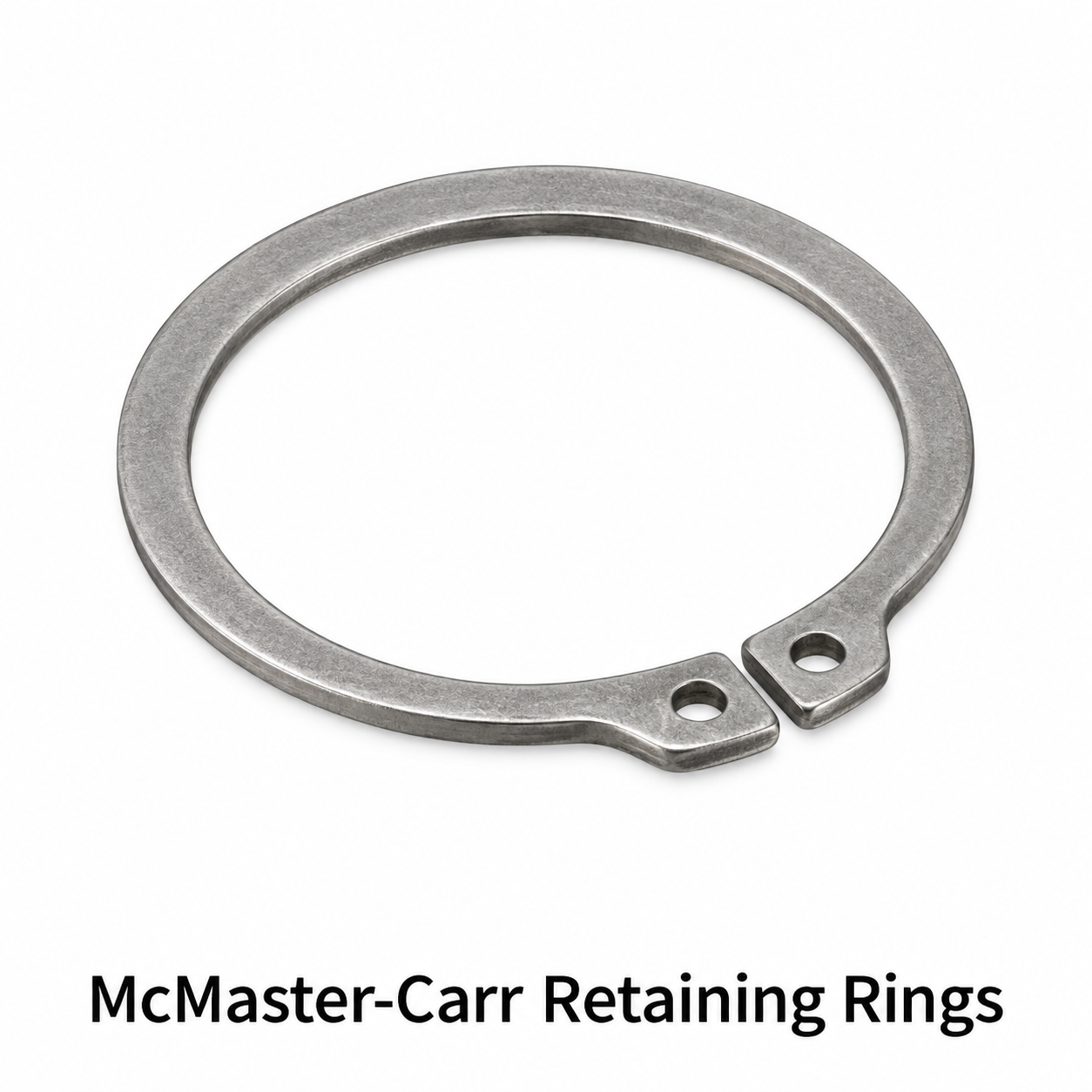
Threaded inserts add a durable, reusable thread to soft materials such as plastic or thin sheet metal, and retaining rings hold components in place on a shaft or in a bore without needing a separate fastener. Cotter and clevis pins secure pinned connections in mechanical linkages, and dowel pins align mating parts precisely during assembly. Quick-release pins let a technician disconnect and reconnect a joint repeatedly without tools, and rivet nuts add a threaded connection point to thin or single-sided sheet metal where a nut can’t be accessed from the back.
Captive panel fasteners stay attached to a panel even when loosened, useful on access covers that get opened repeatedly, and specialty and tamper-resistant fasteners address applications needing an unusual drive type or restricted removal. Nylon and plastic fasteners handle non-conductive or corrosion-sensitive applications where metal isn’t suitable, and fastener assortments bundle commonly used sizes together for a maintenance kit or new workstation. Fastener installation tools round out the range, giving a facility the drivers, wrenches, and setting tools needed to actually install everything else in this catalog. Together, this range lets a facility source everything from a single replacement screw to a complete fastening programme through one supplier relationship.
The categories visible on McMaster-Carr’s Fastening and Joining division page include:
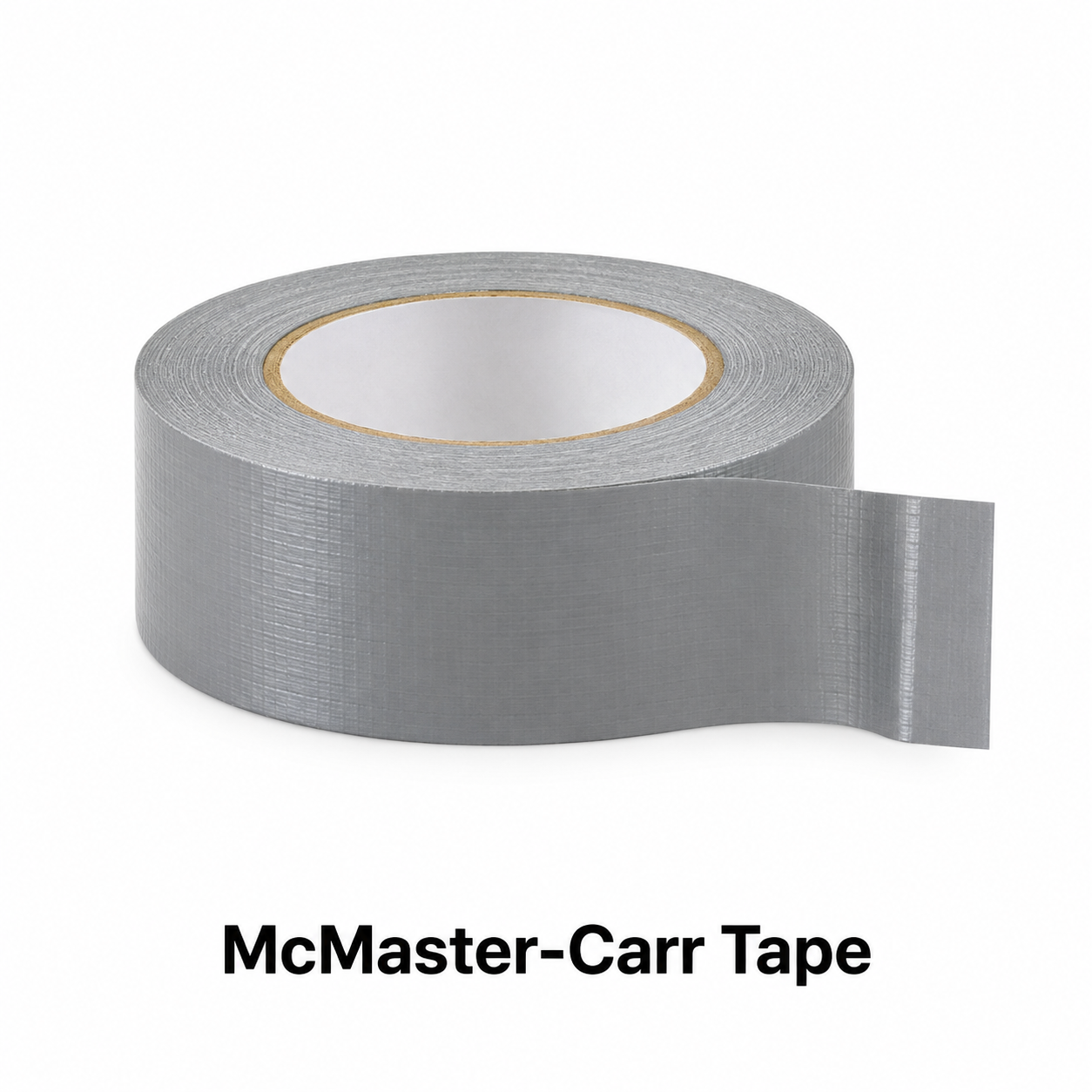
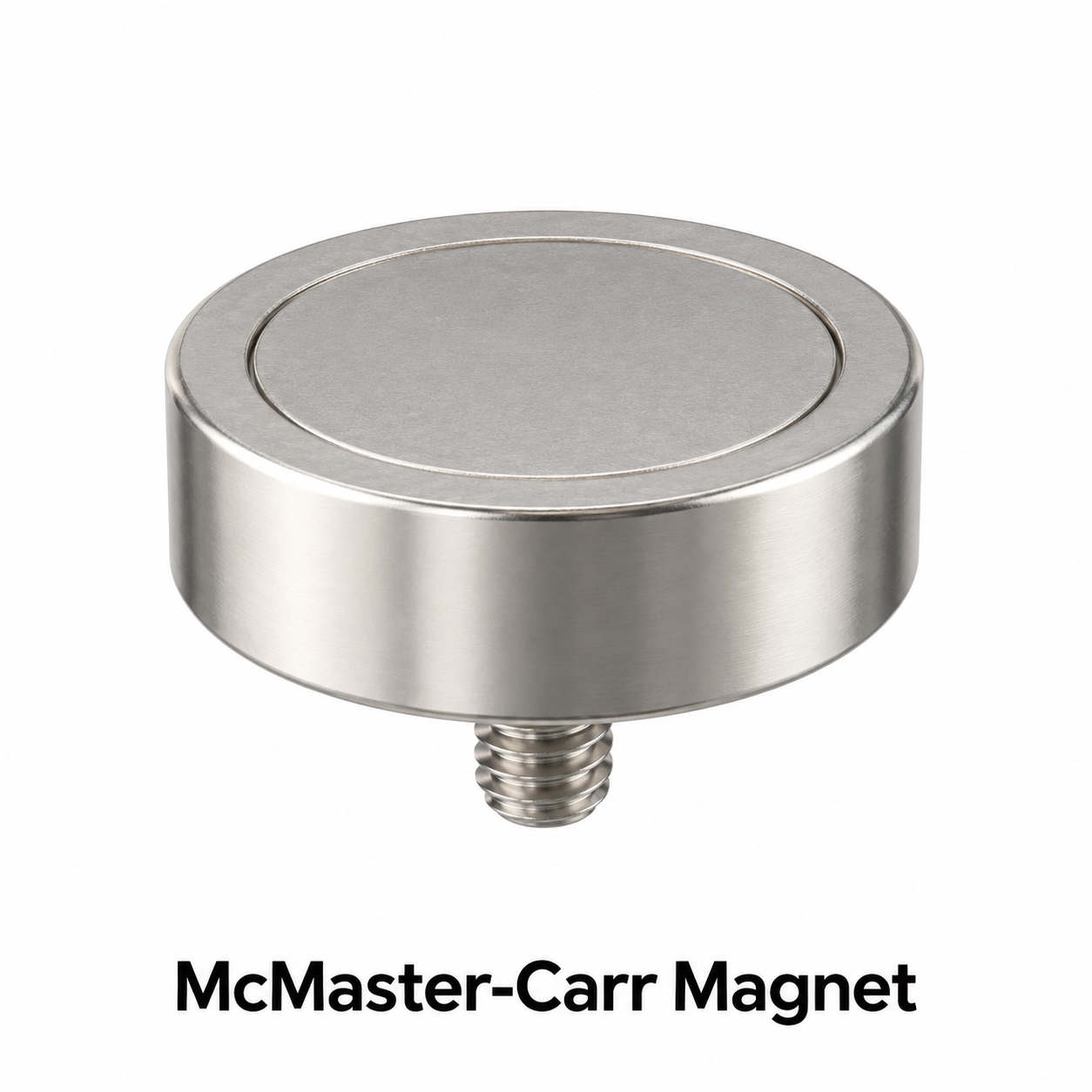
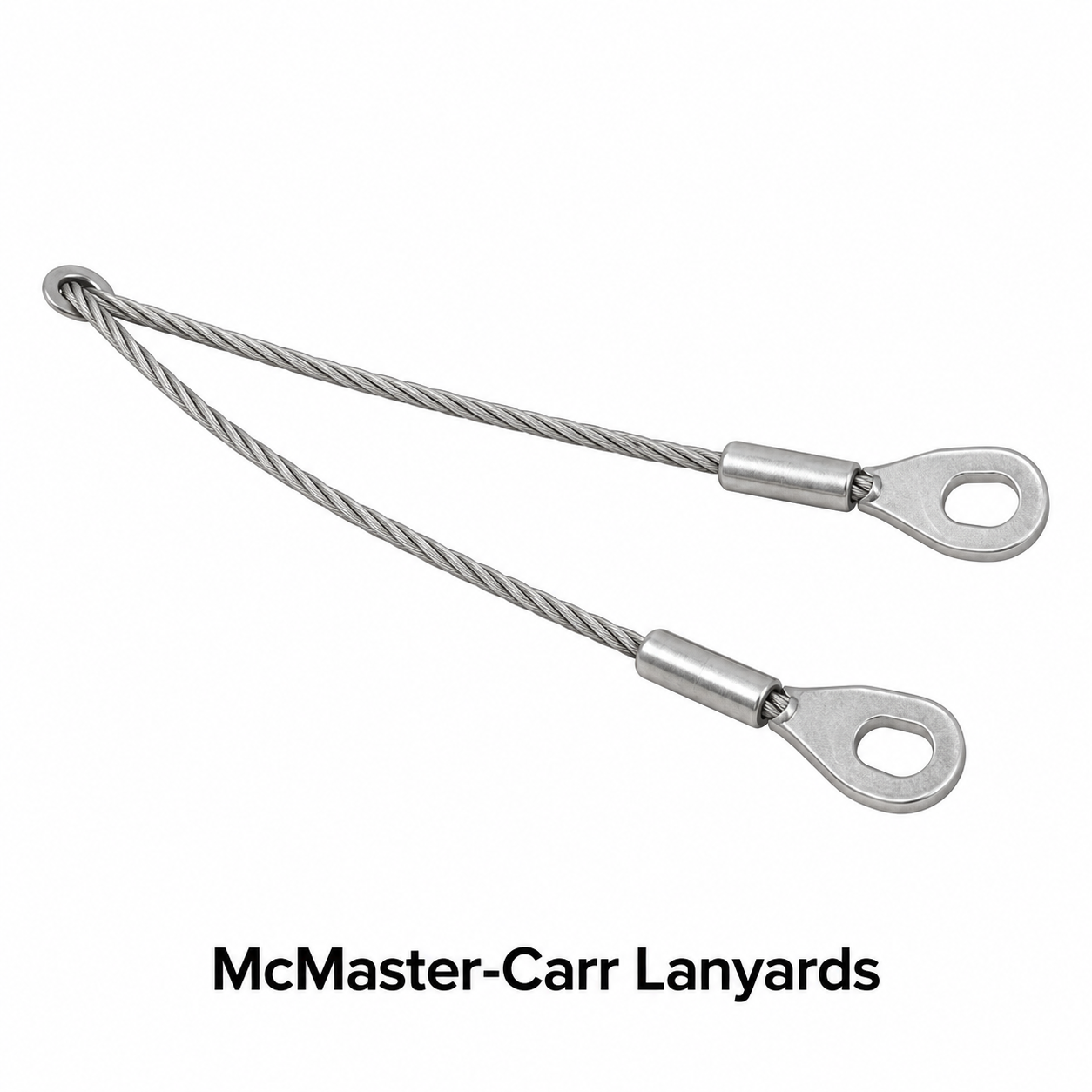
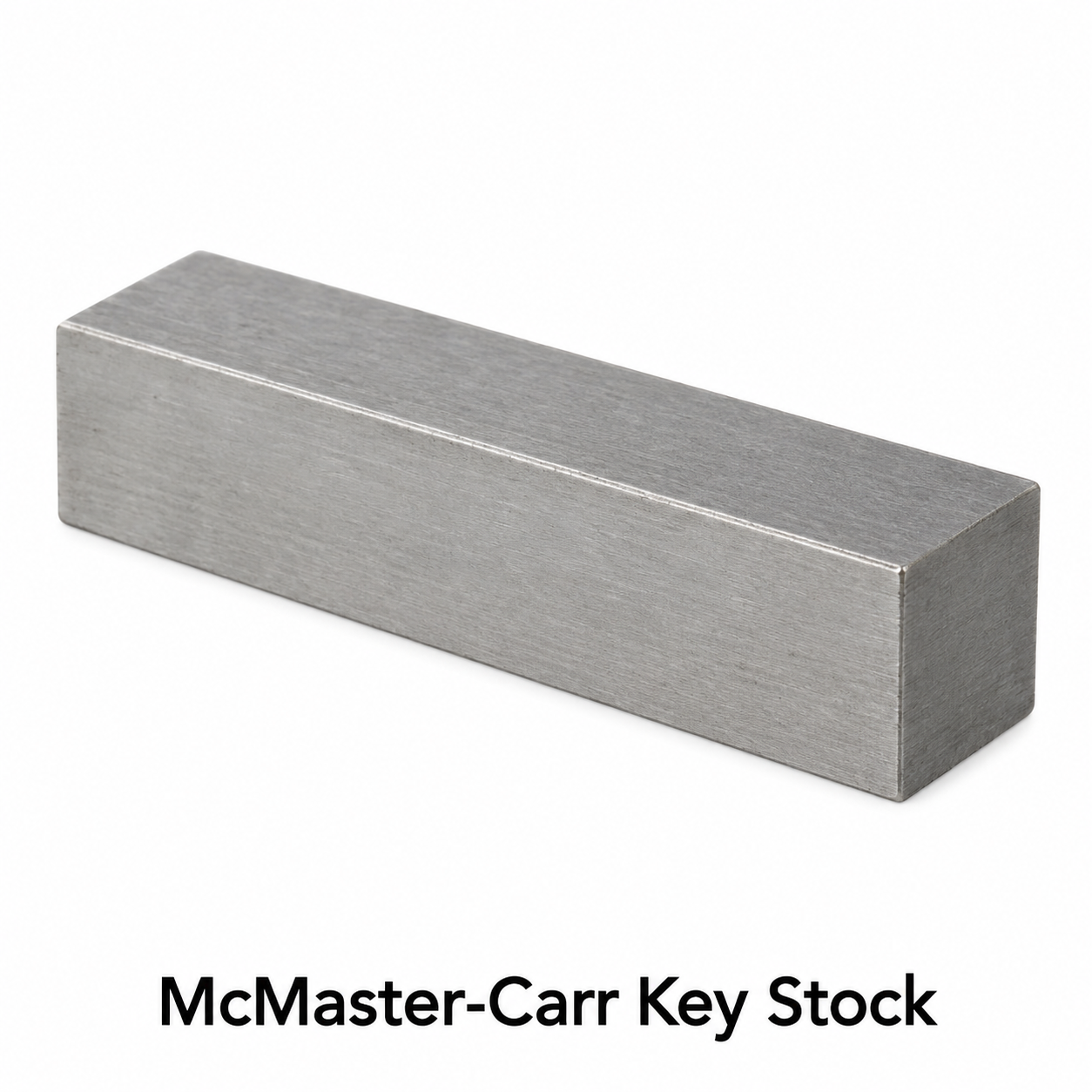
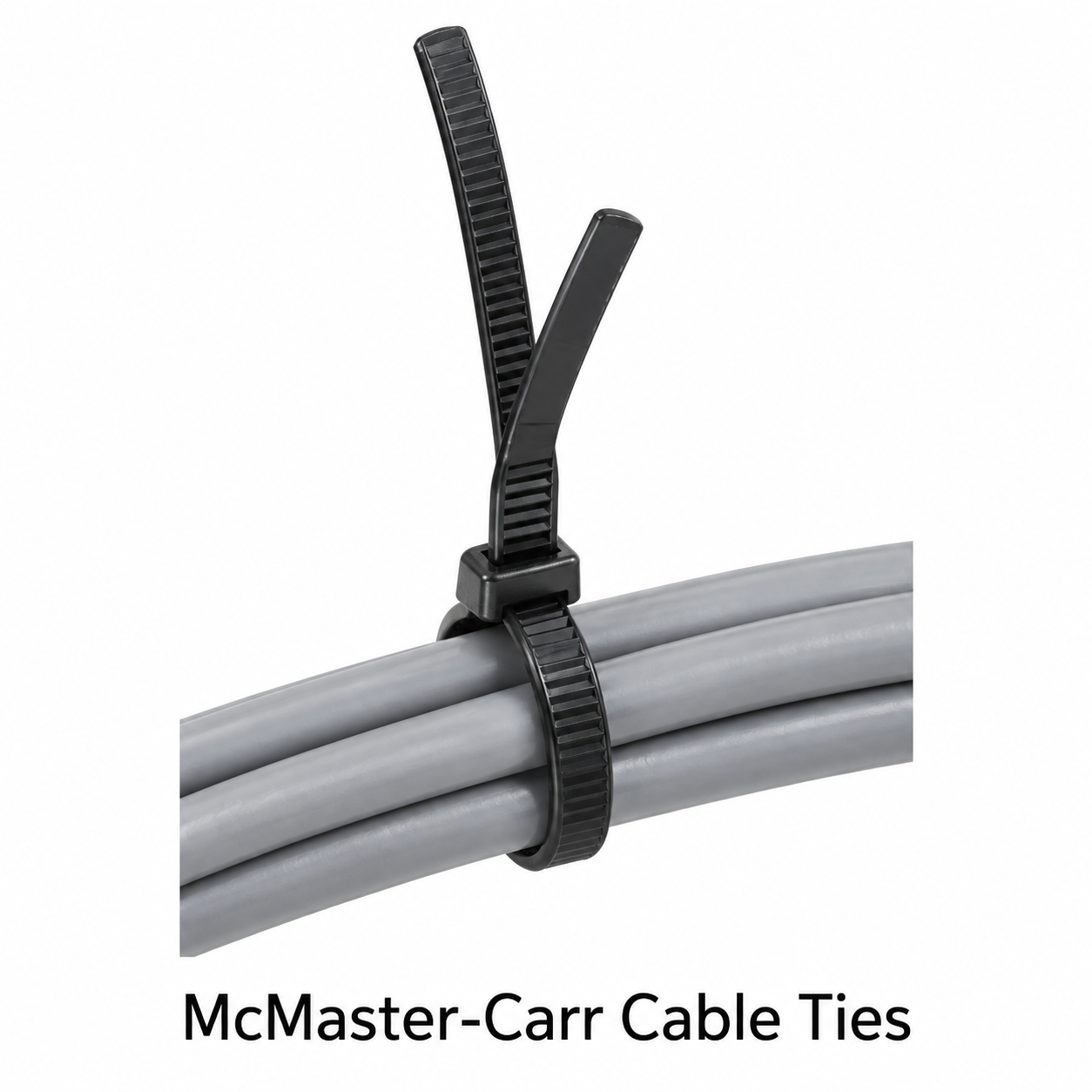
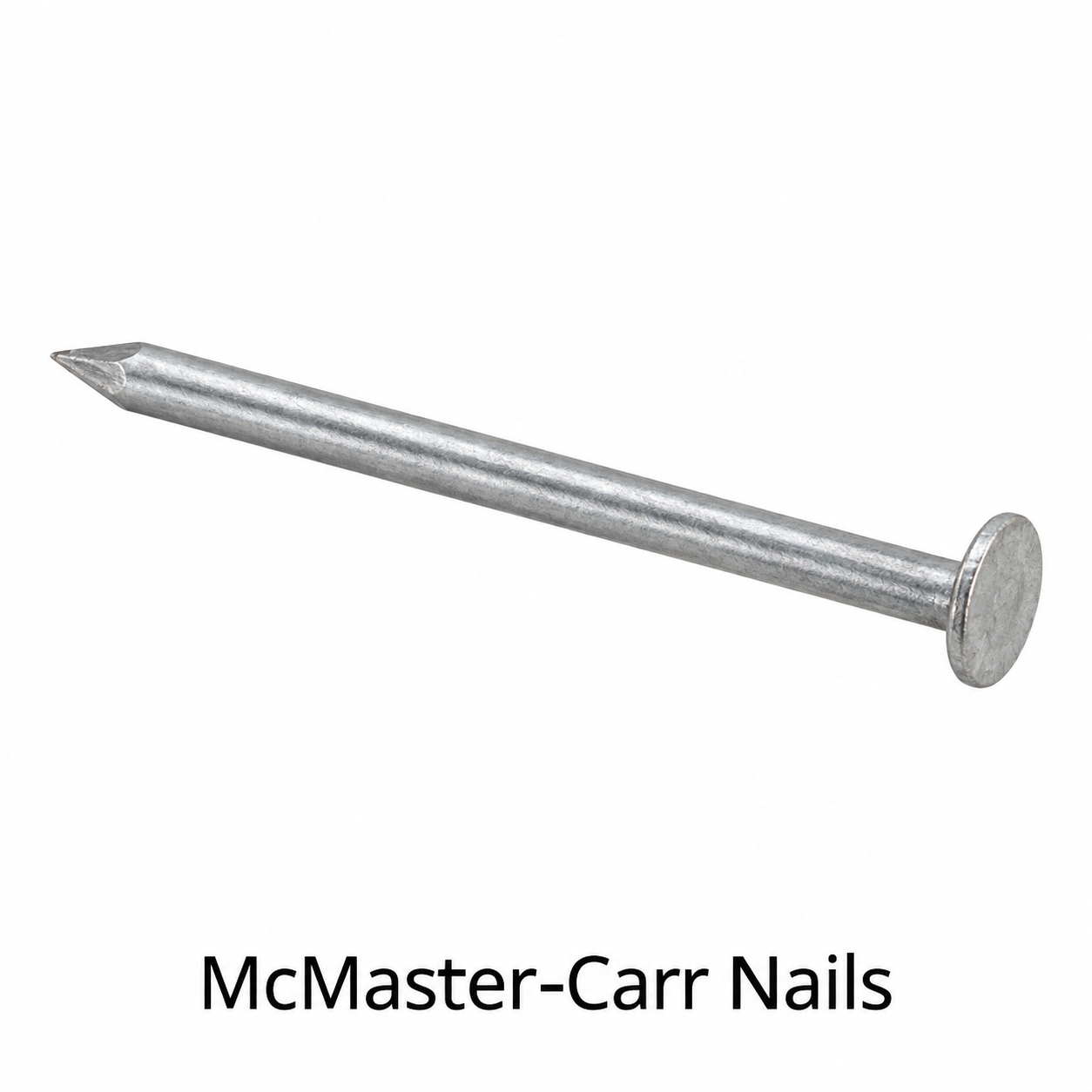
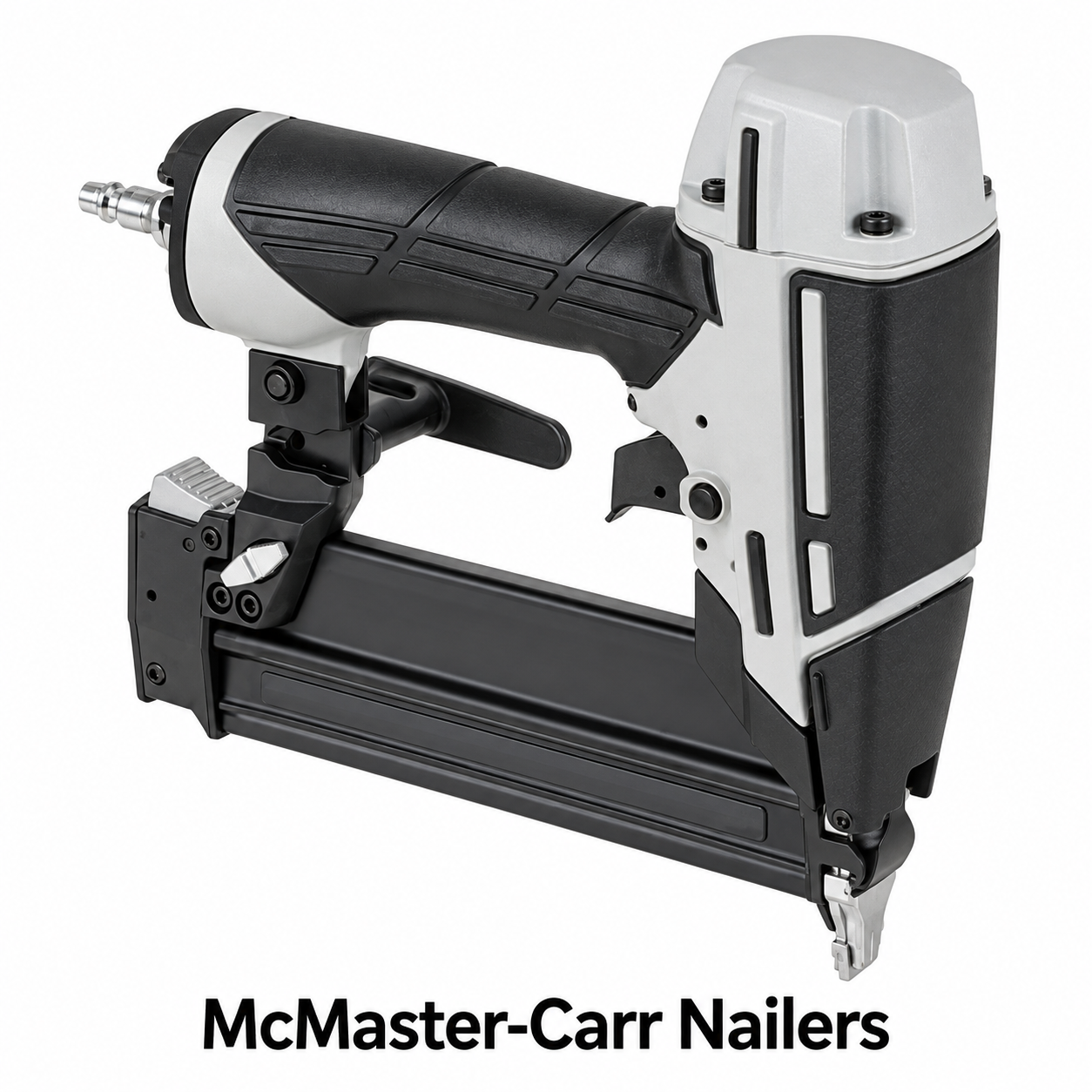
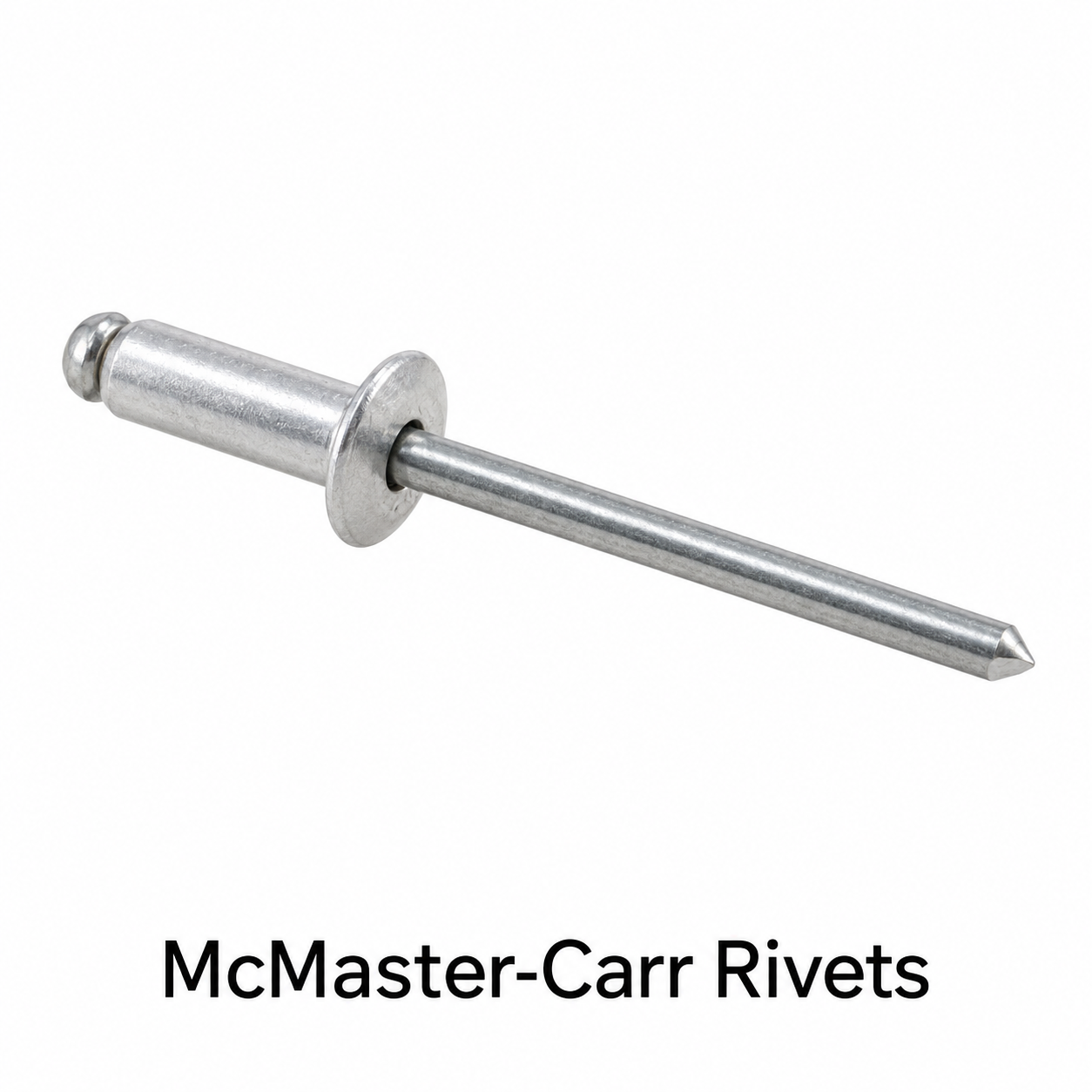
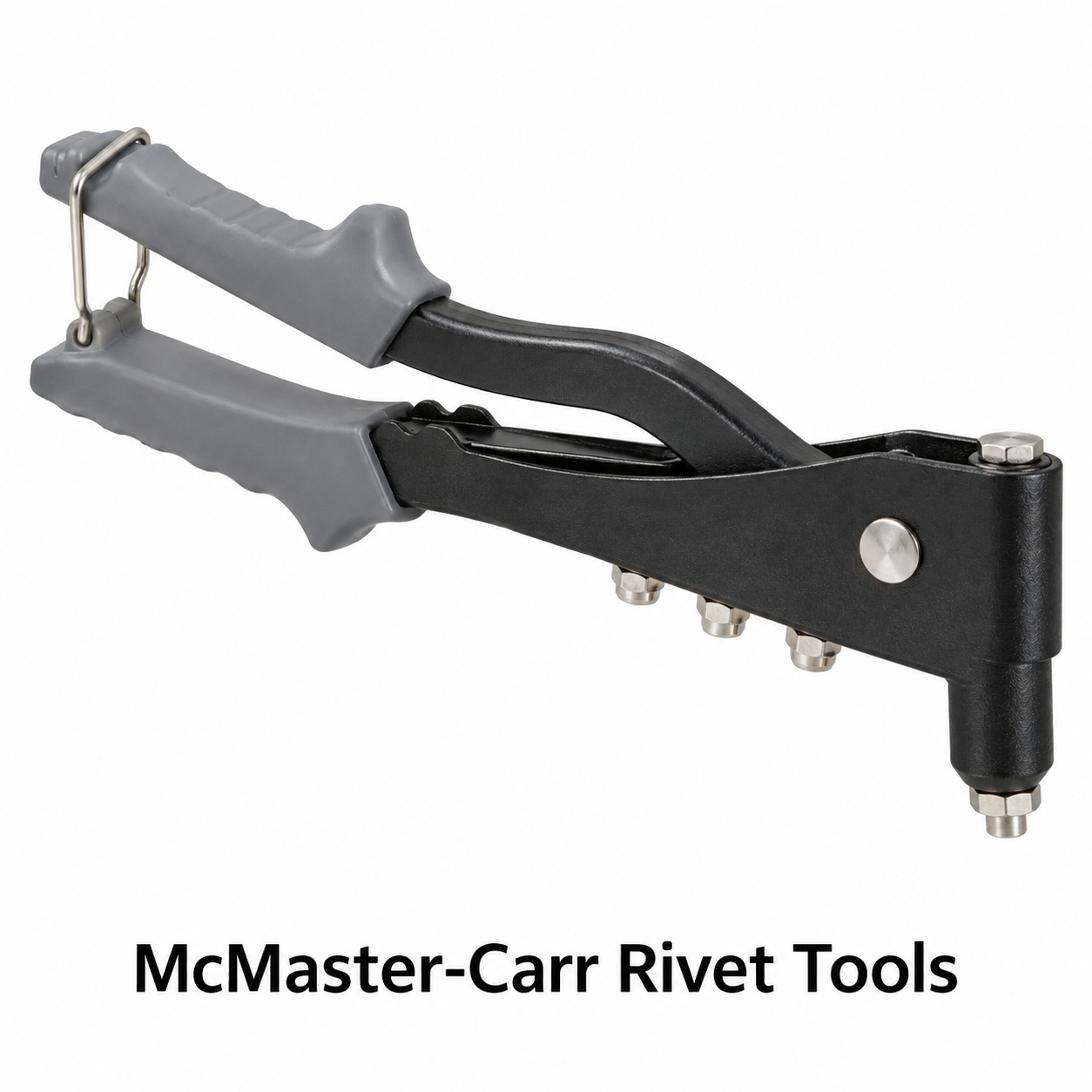
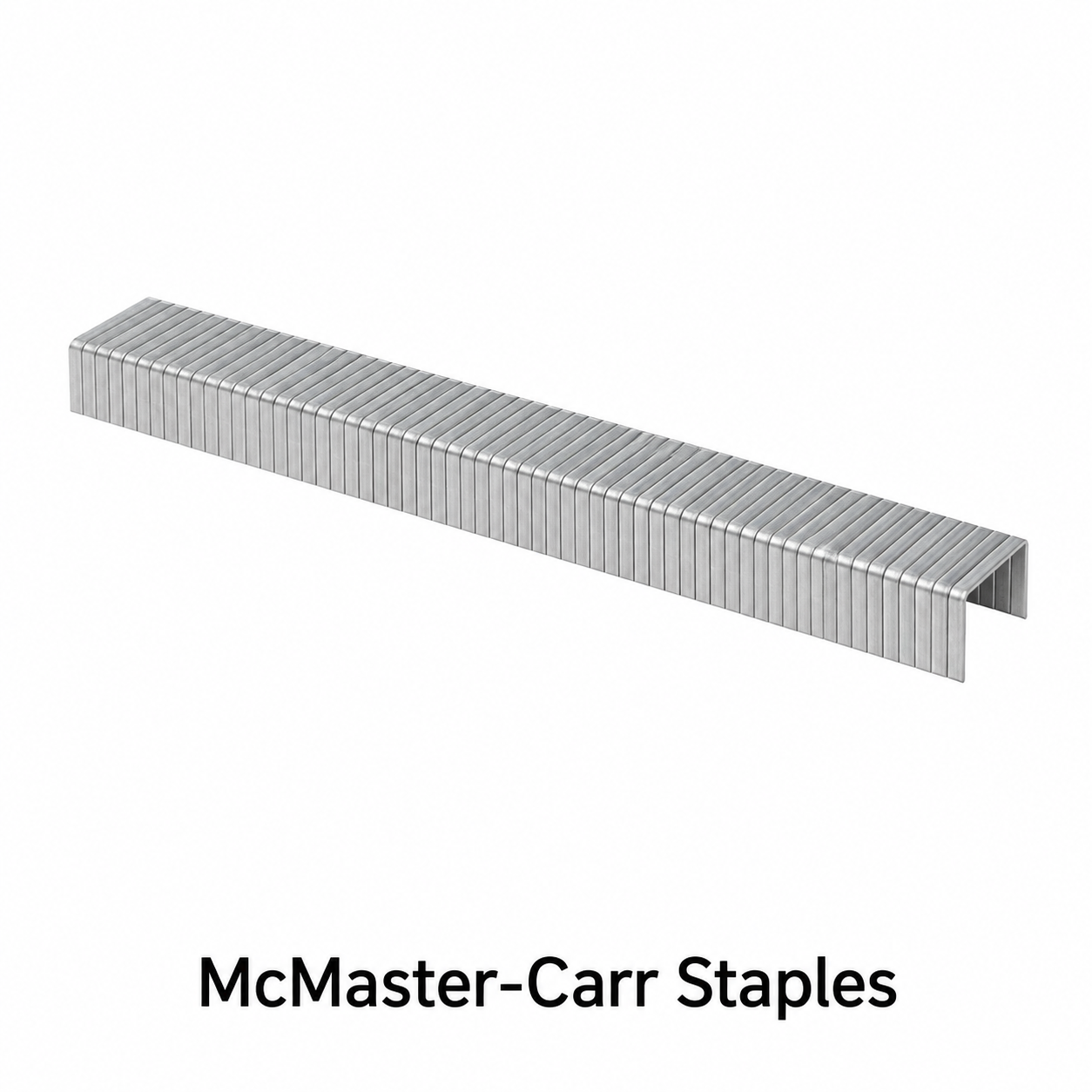
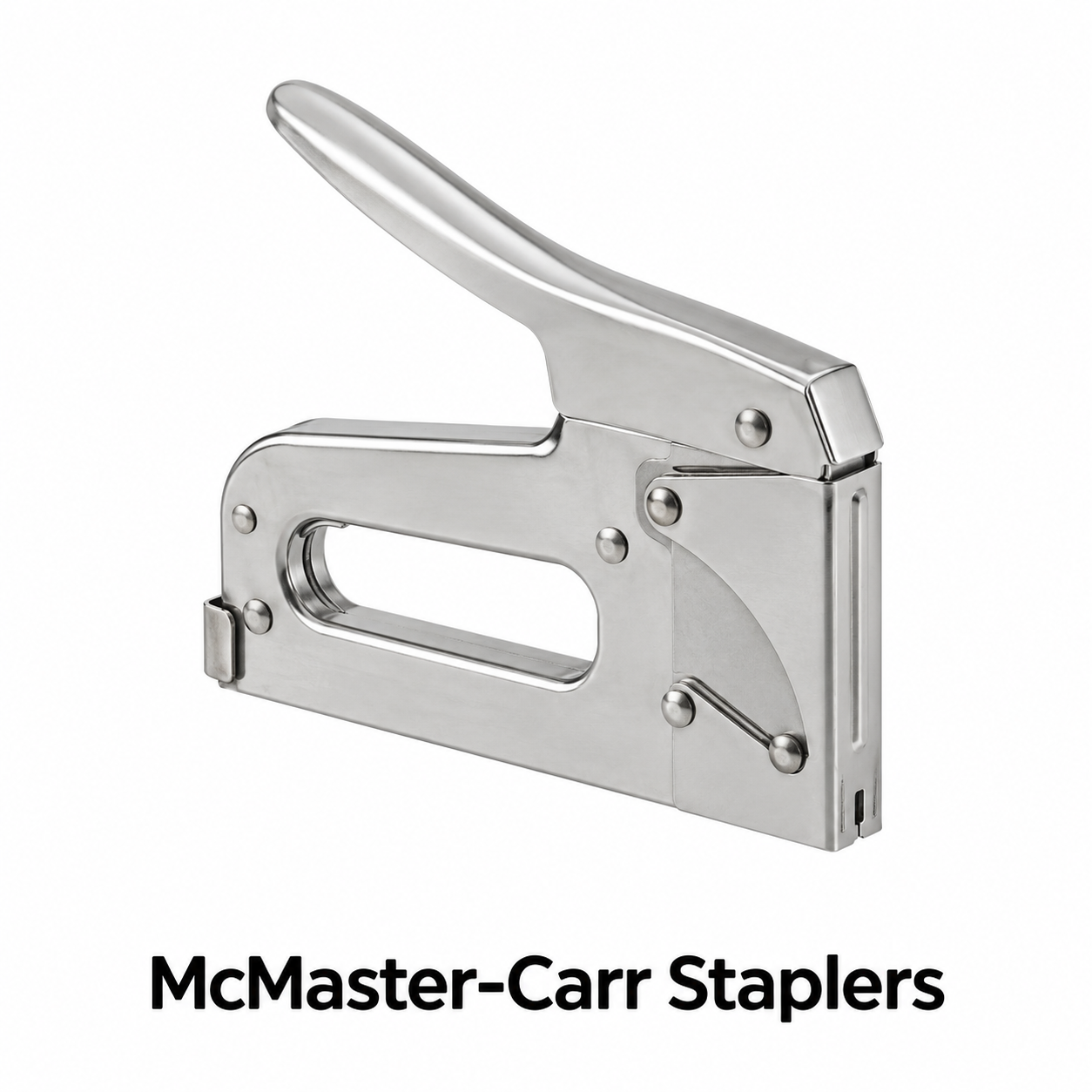
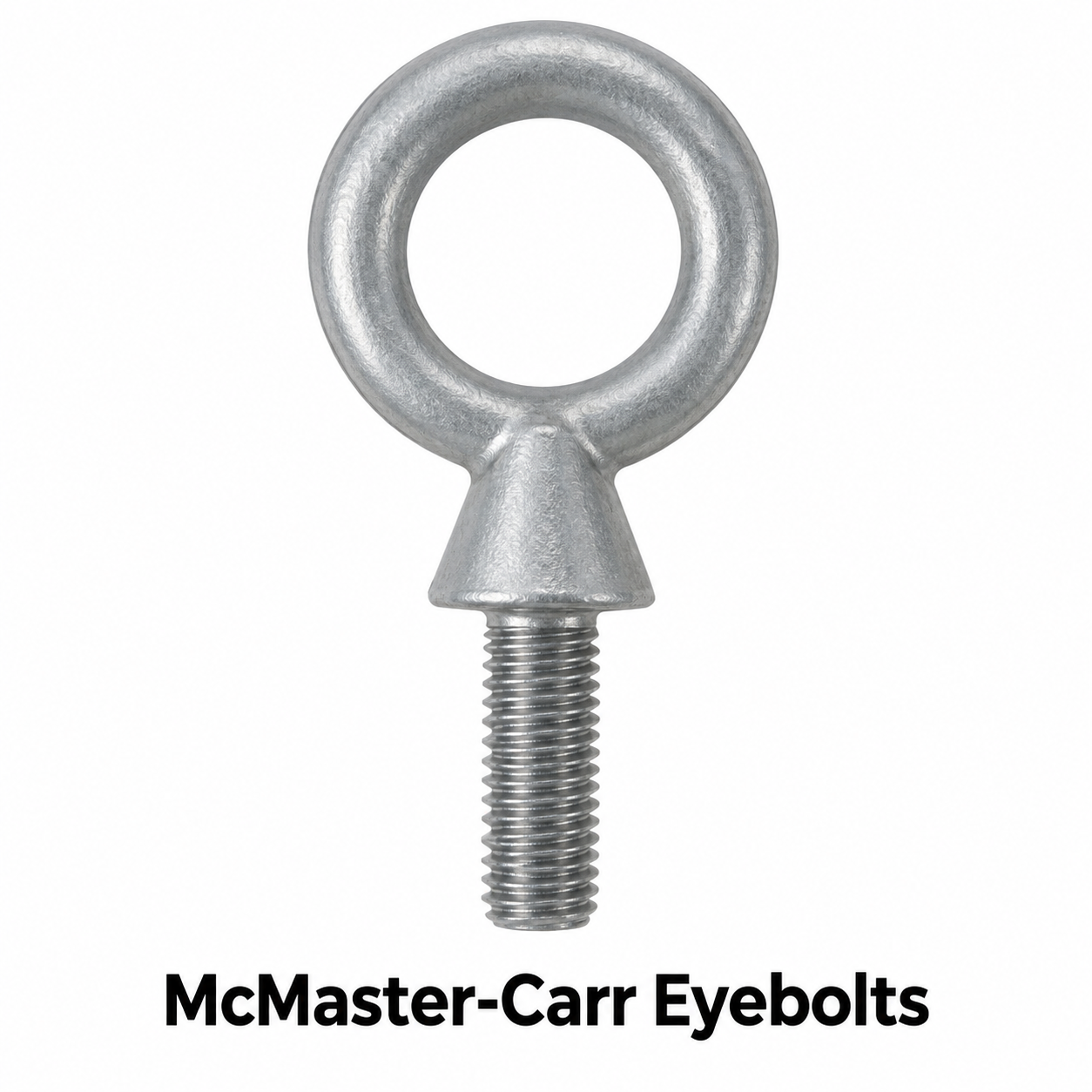
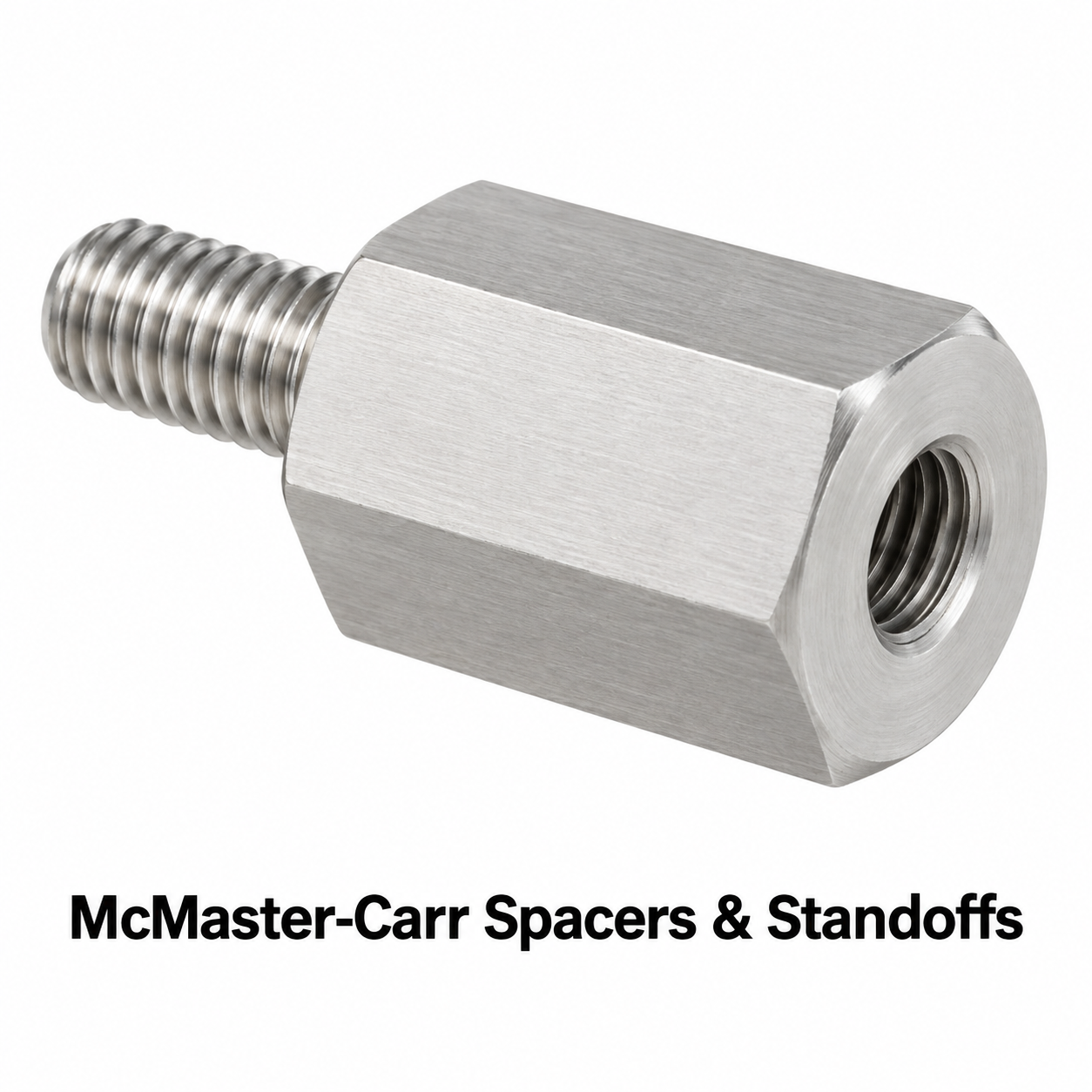
Fasteners: Screws & Bolts || Threaded Rods & Studs || Eyebolts || U-Bolts || Nuts || Washers || Shims || Helical & Threaded Inserts || Spacers & Standoffs || Pins || Anchors || Nails || Nailers || Rivets || Rivet Tools || Staples || Staplers || Key Stock || Retaining Rings || Cable Ties || Lanyards || Magnets
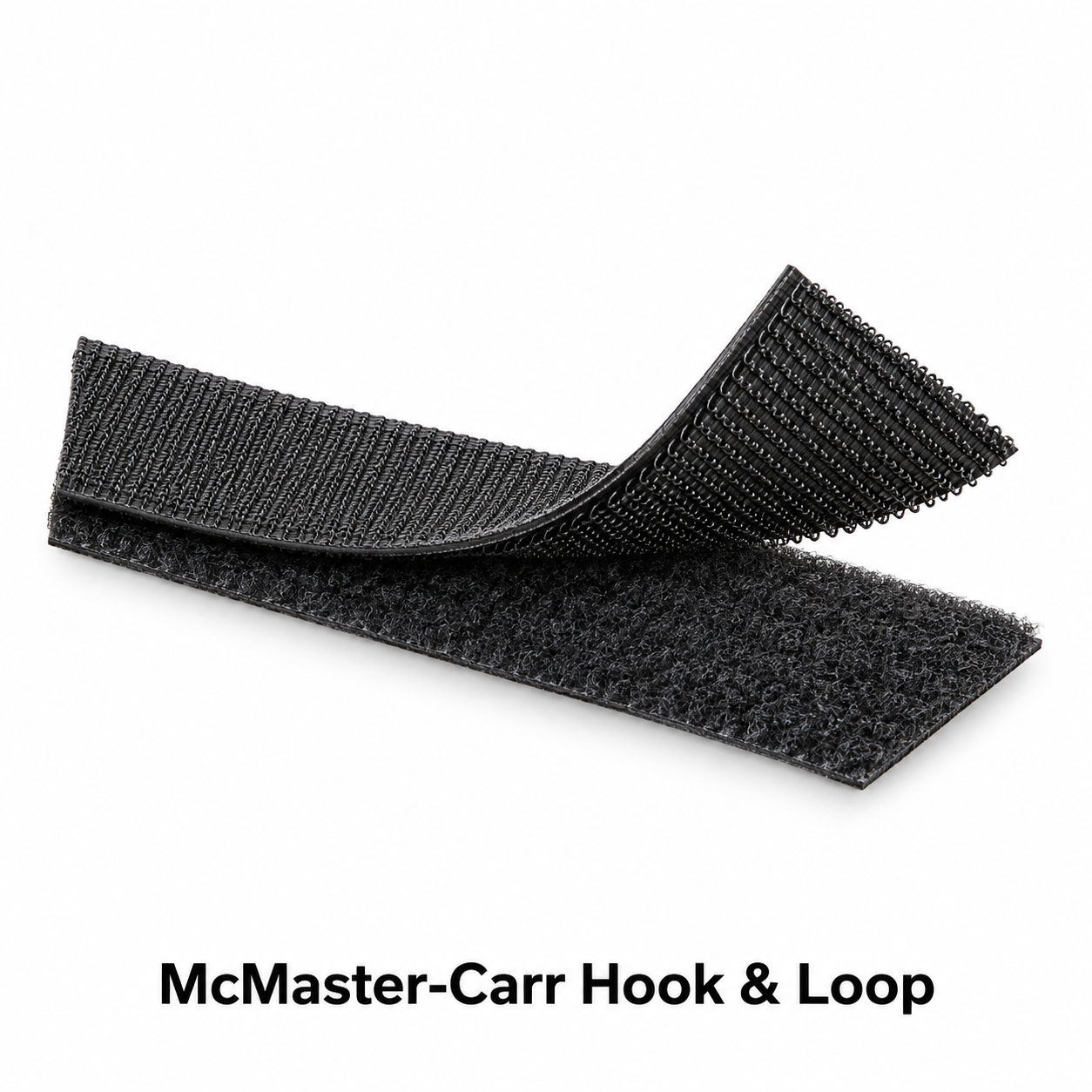
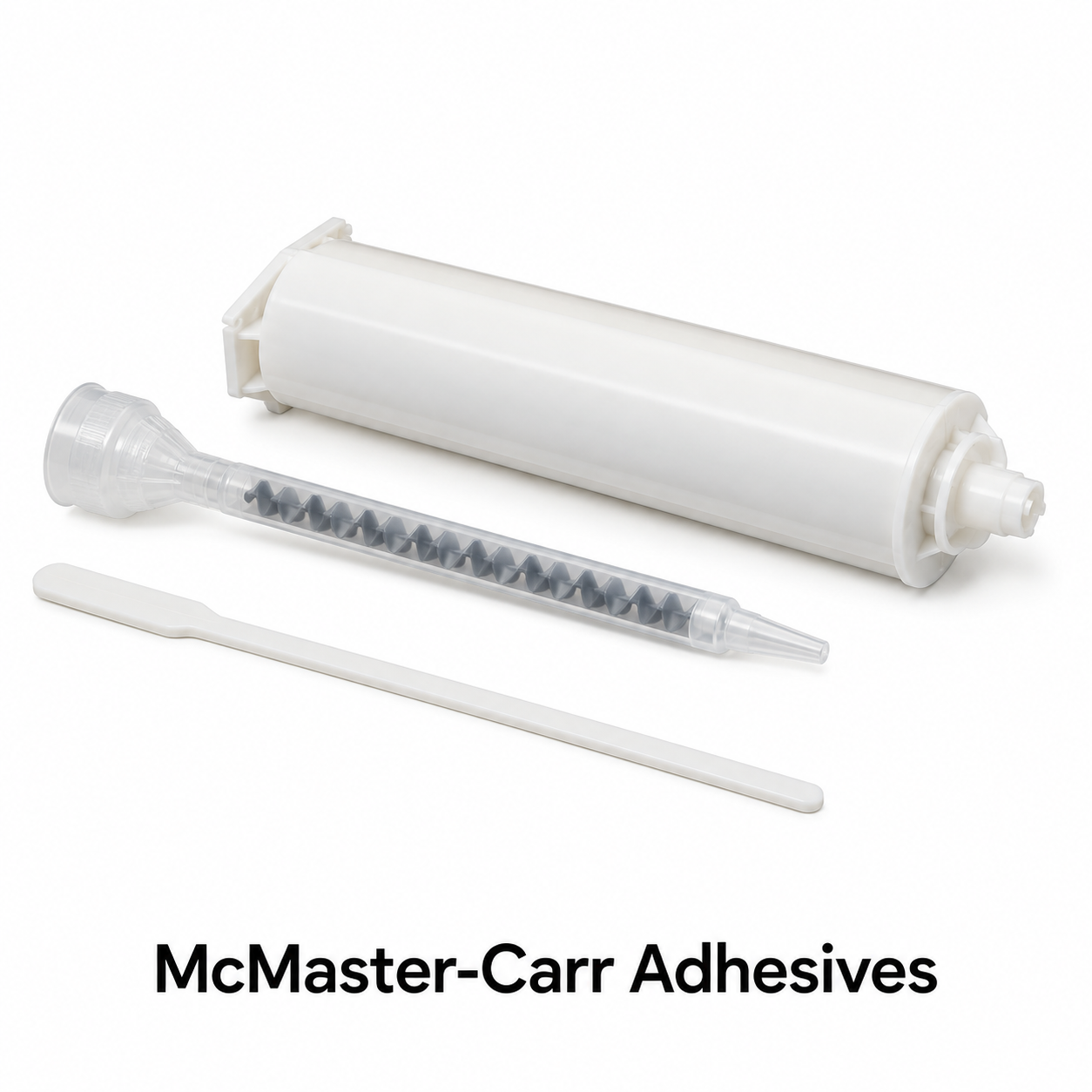
Adhesives & Tape: Adhesives || Tape || Hook & Loop
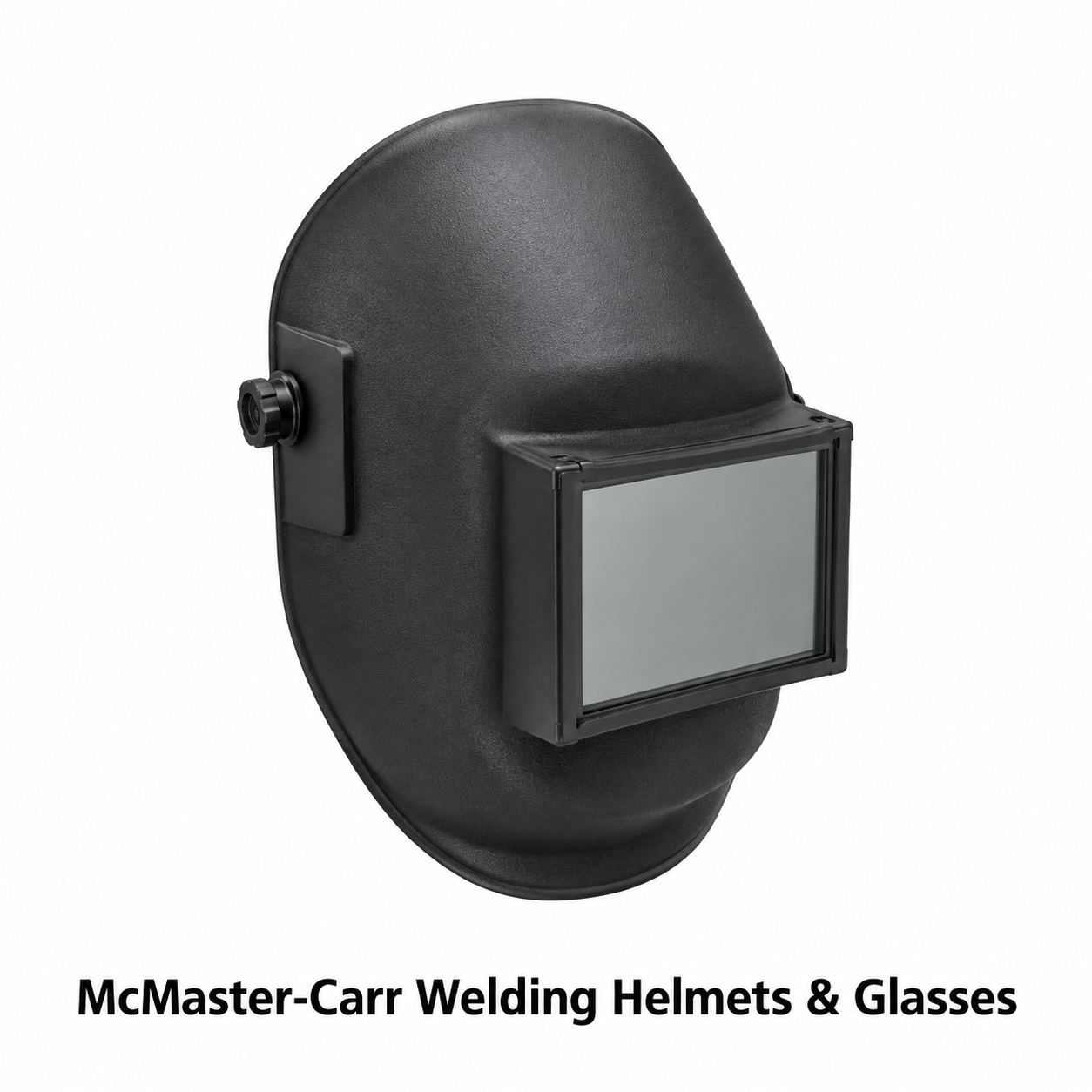
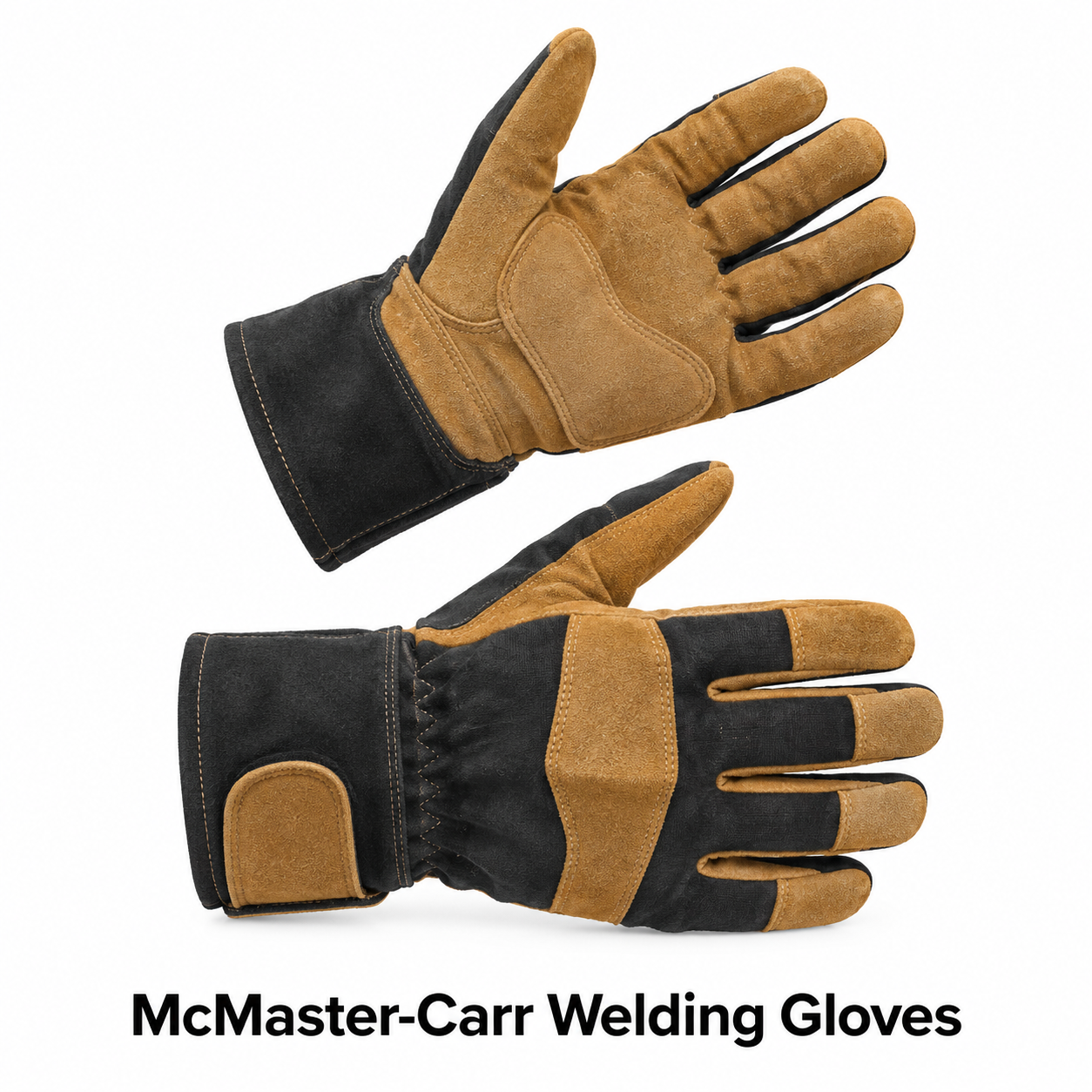
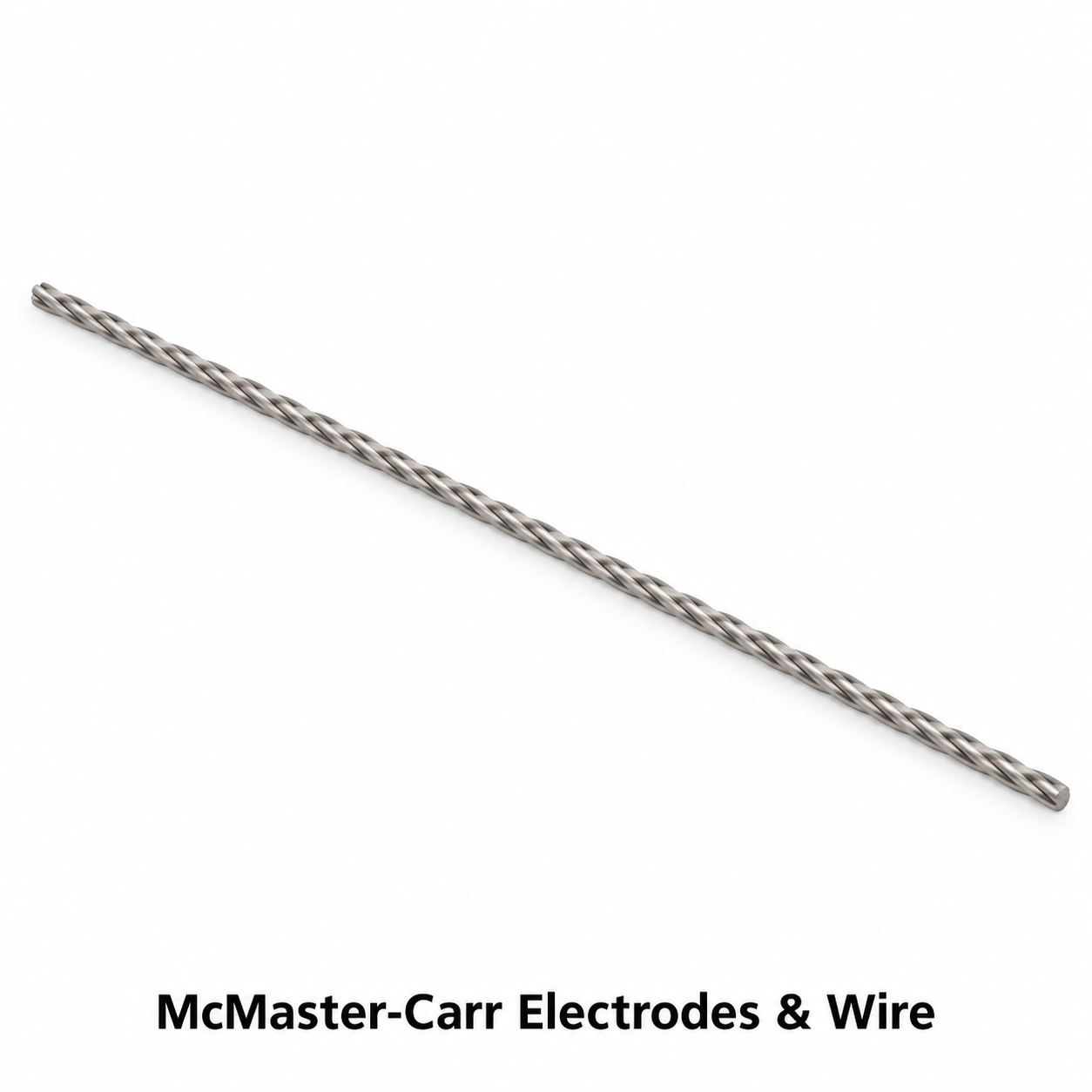
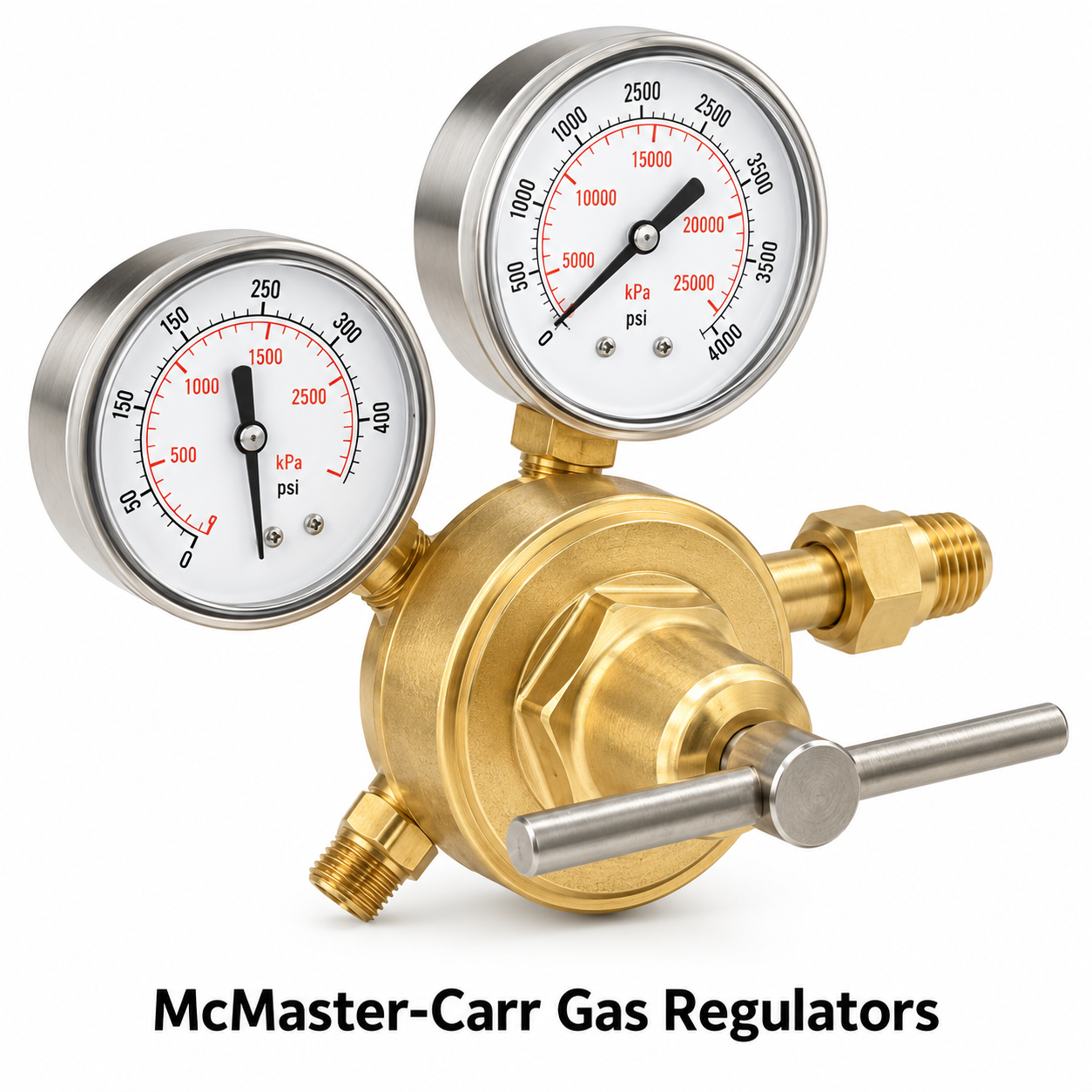
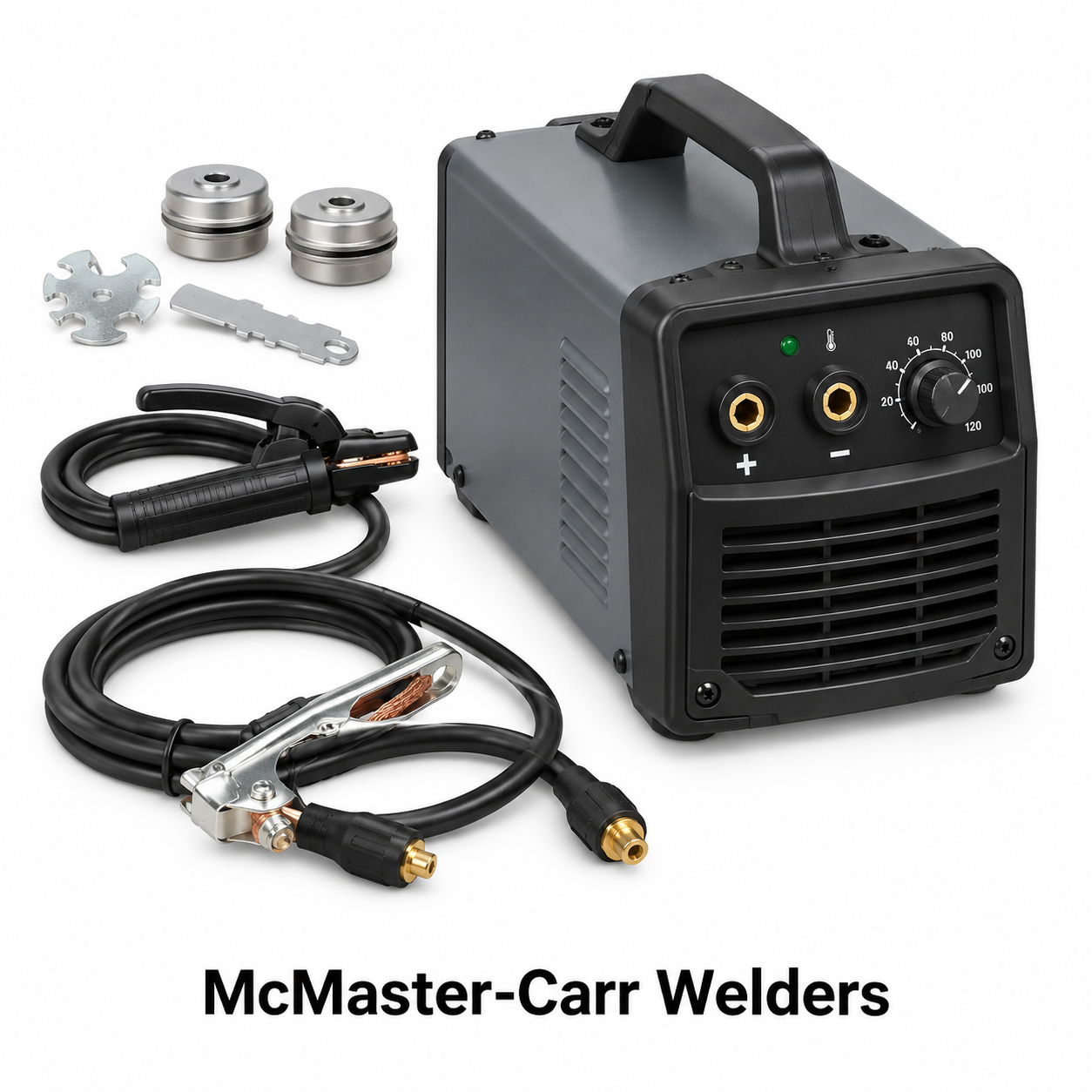
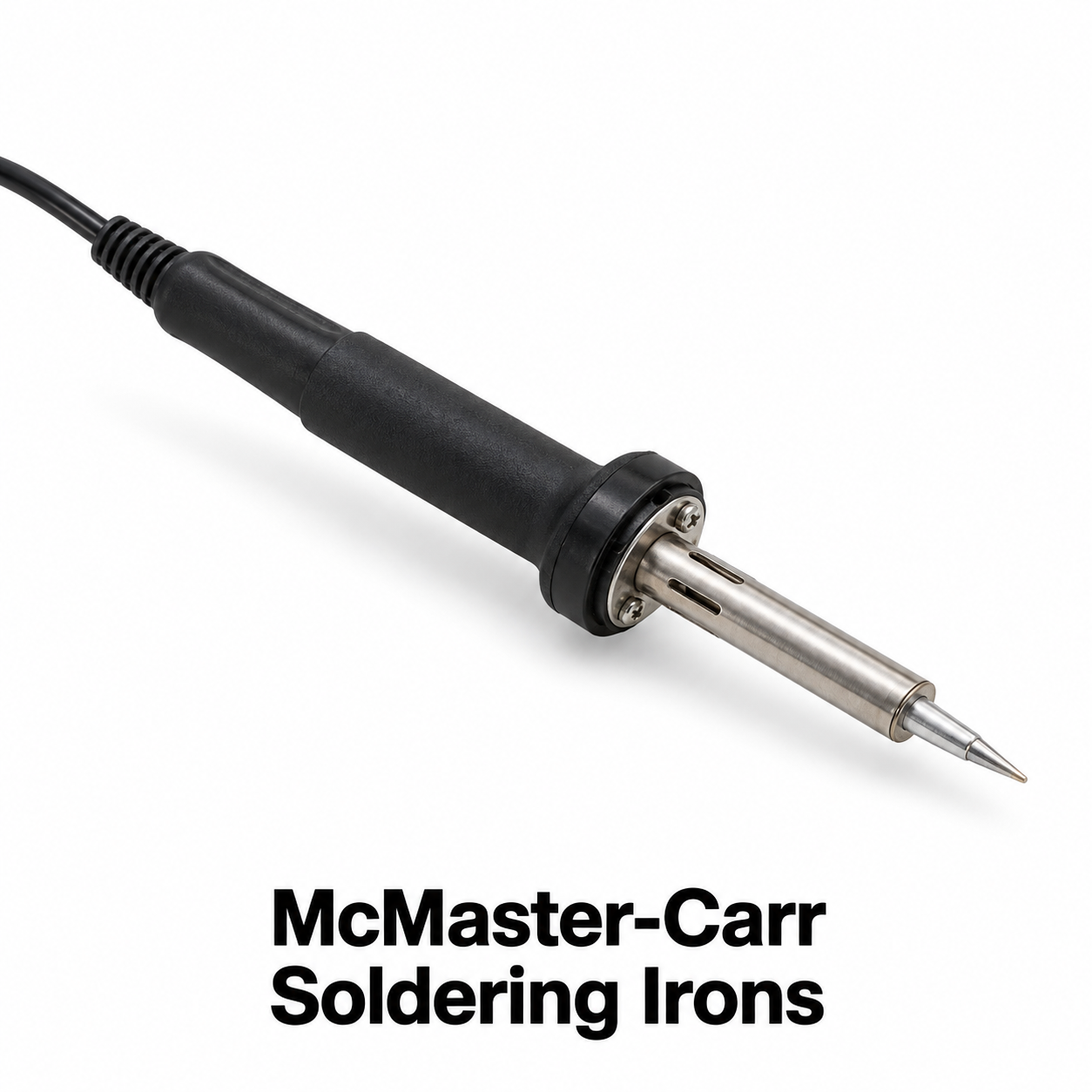
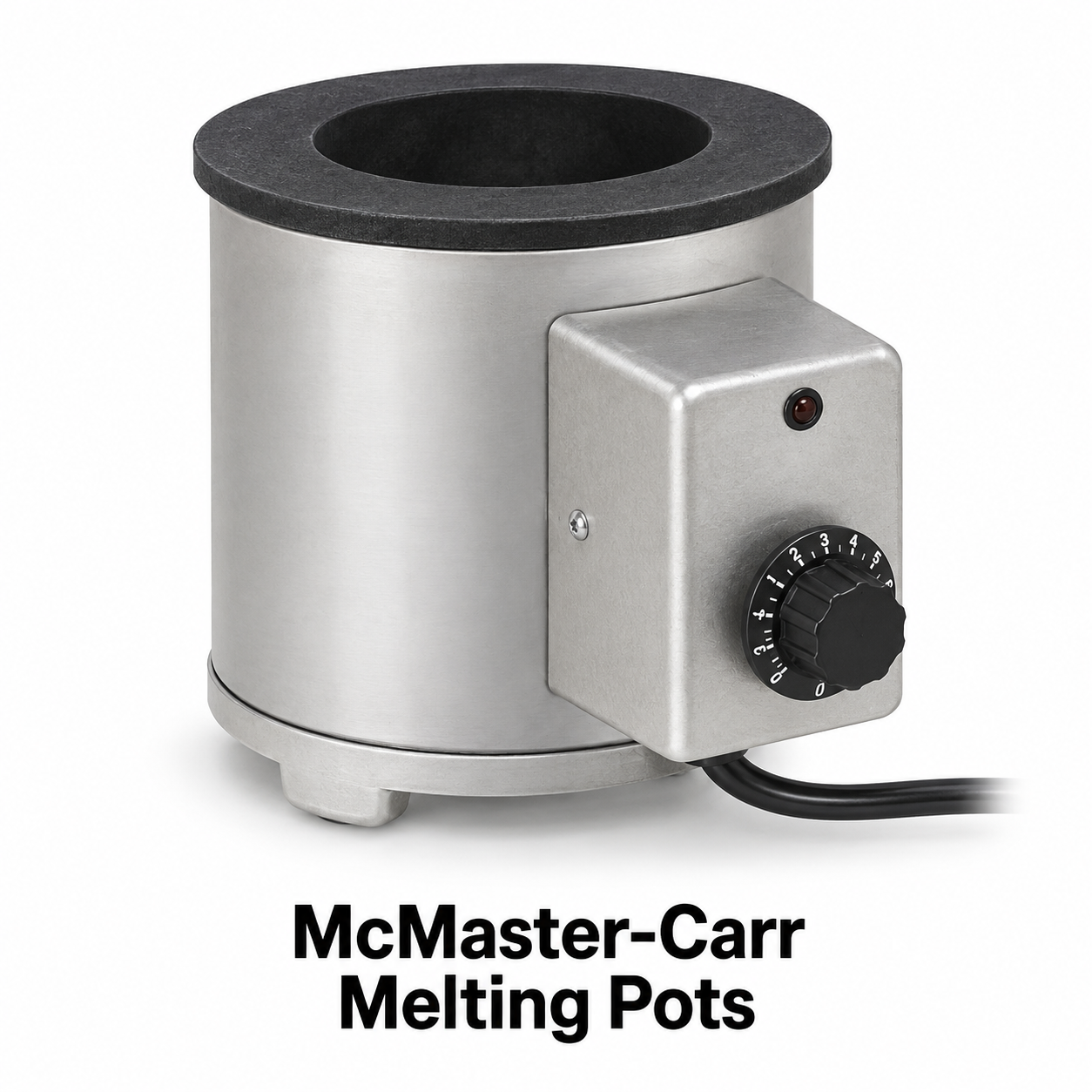
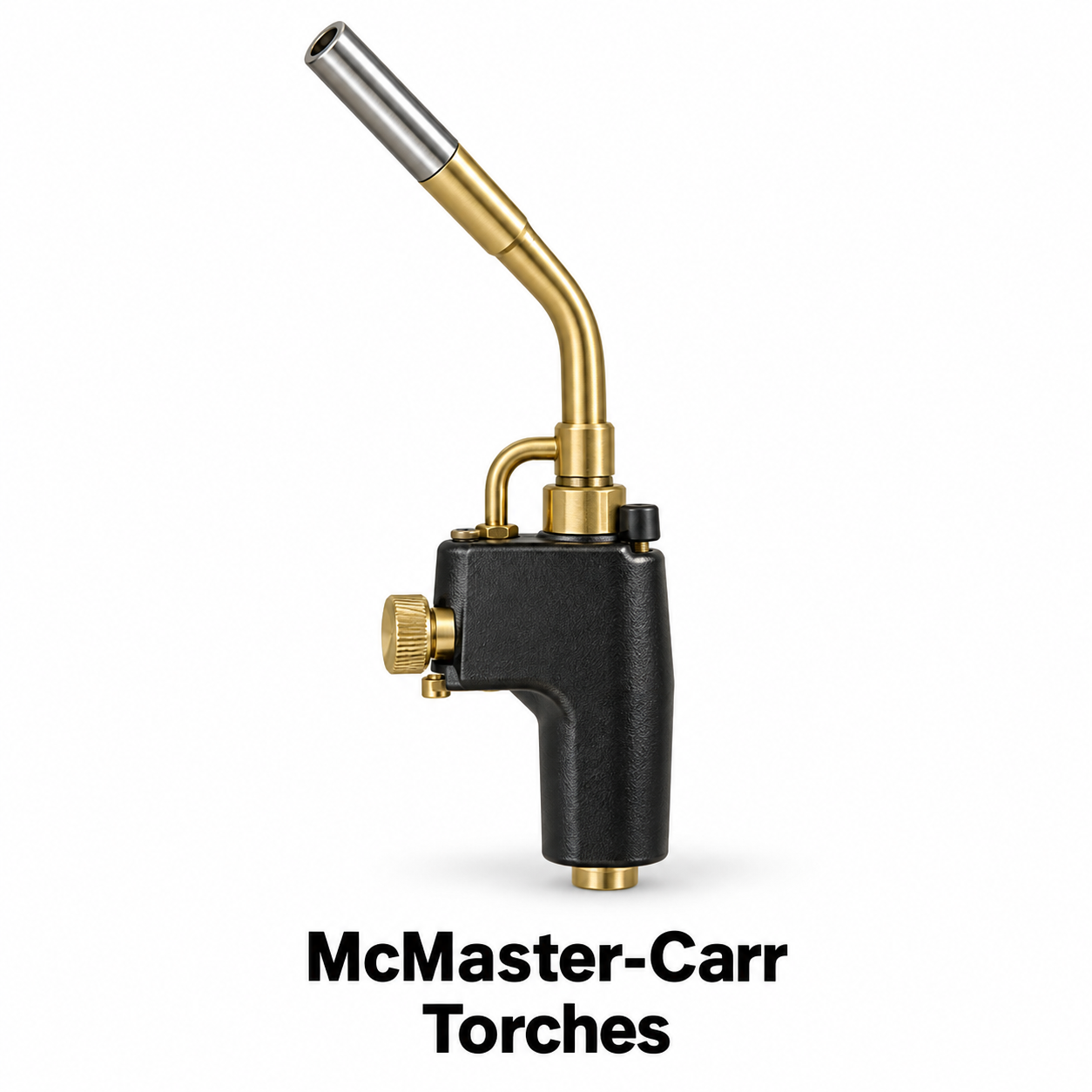
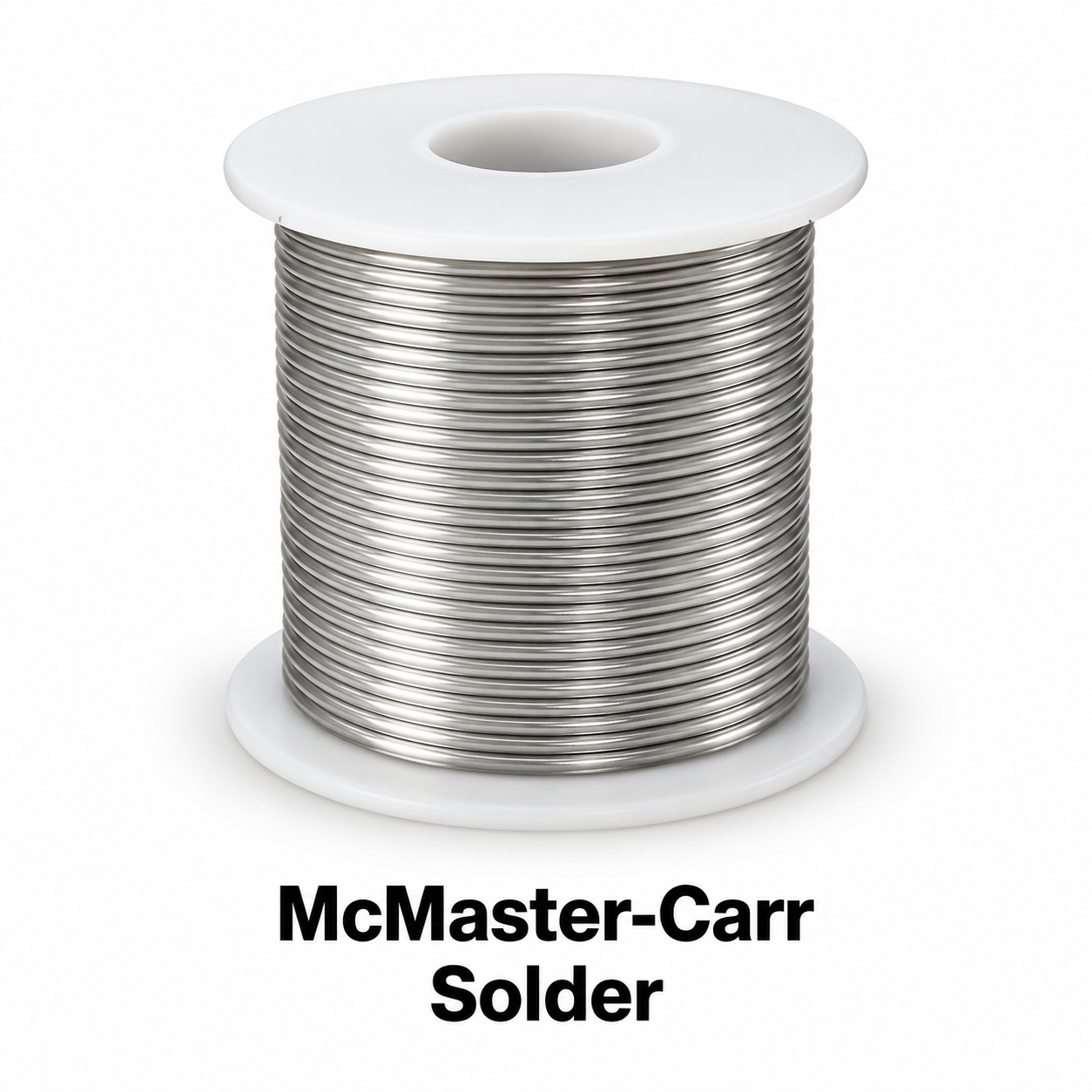
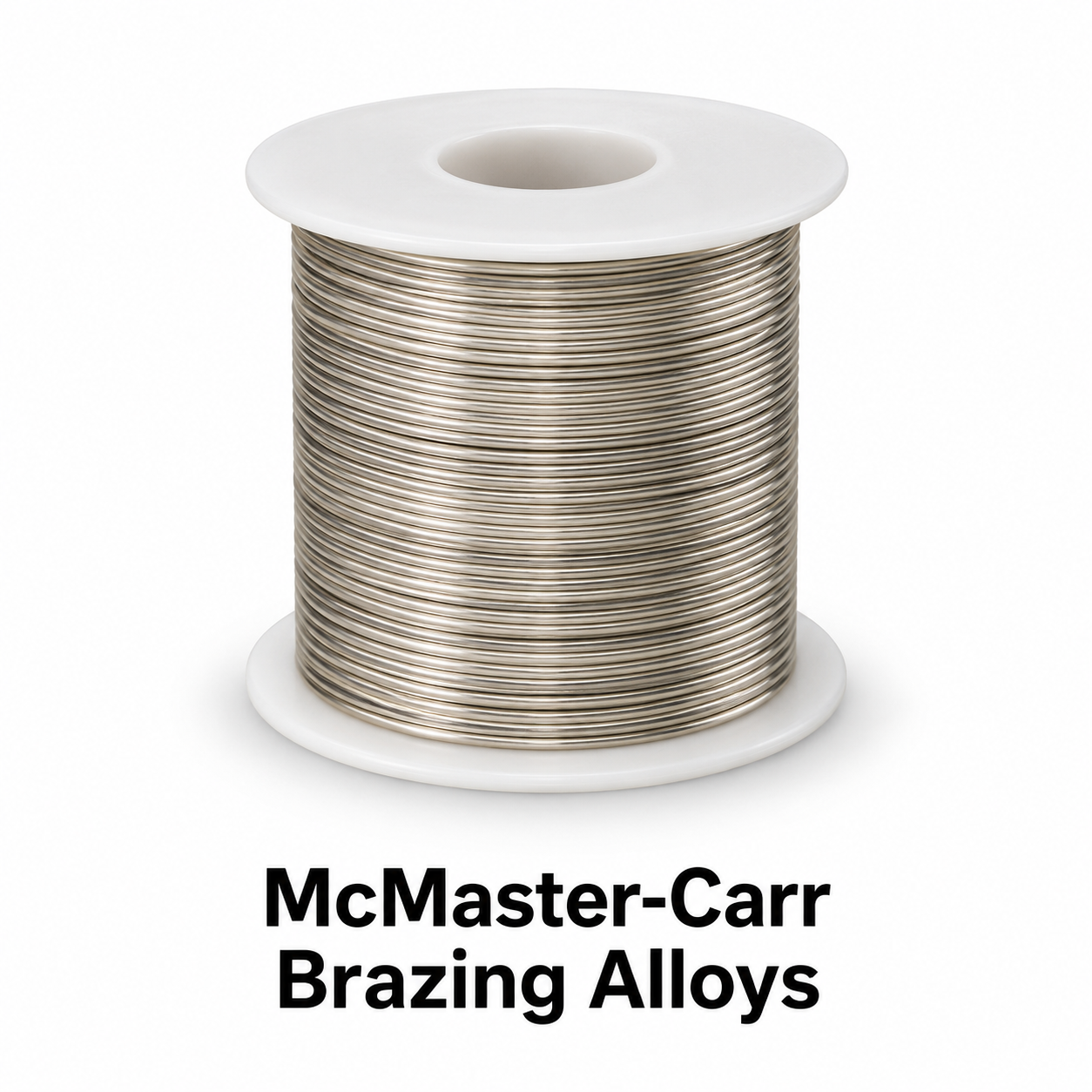
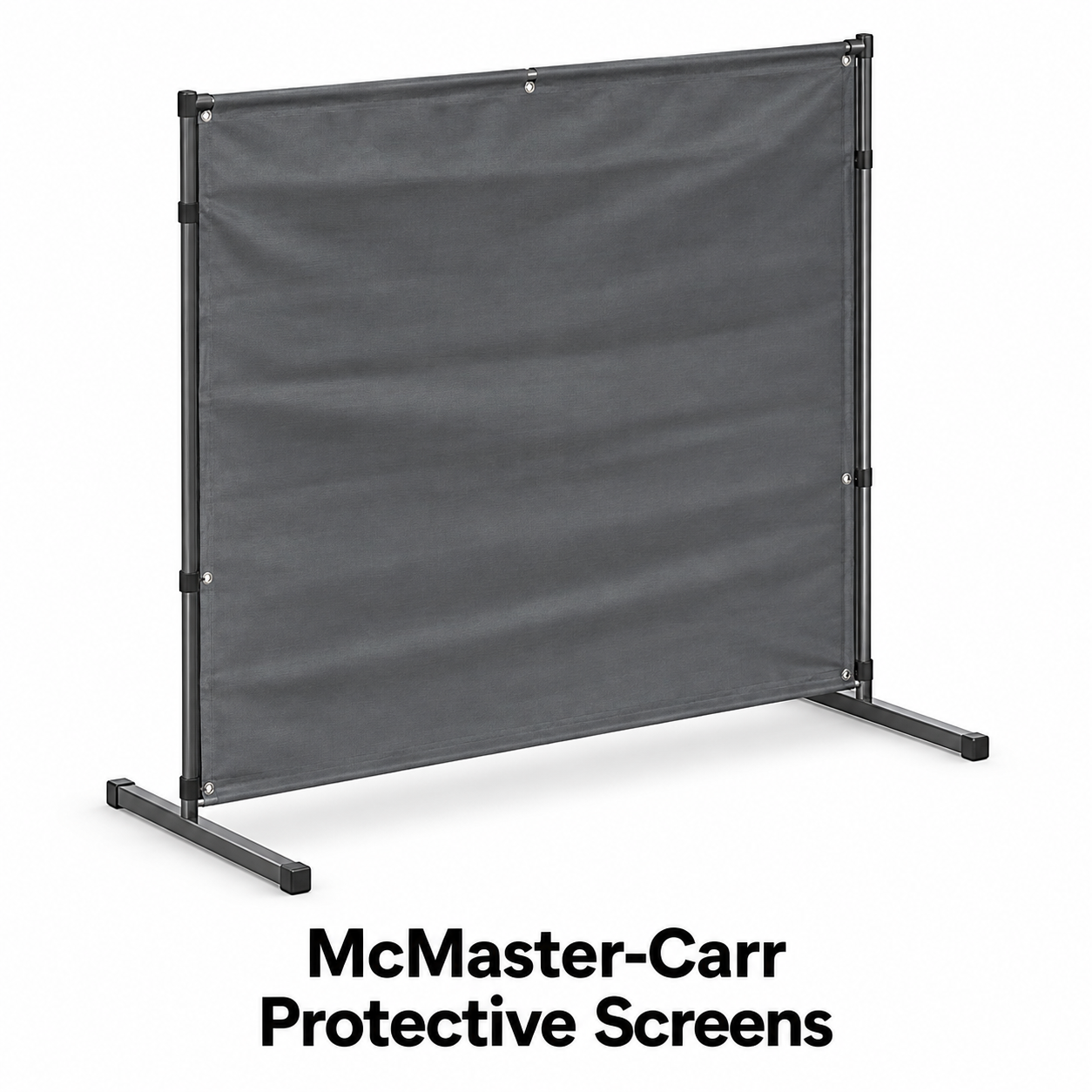
Welding, Brazing & Soldering: Electrodes & Wire || Welders || Gas Regulators || Welding Gloves || Welding Helmets & Glasses || Protective Screens || Brazing Alloys || Torches || Solder || Soldering Irons || Melting Pots
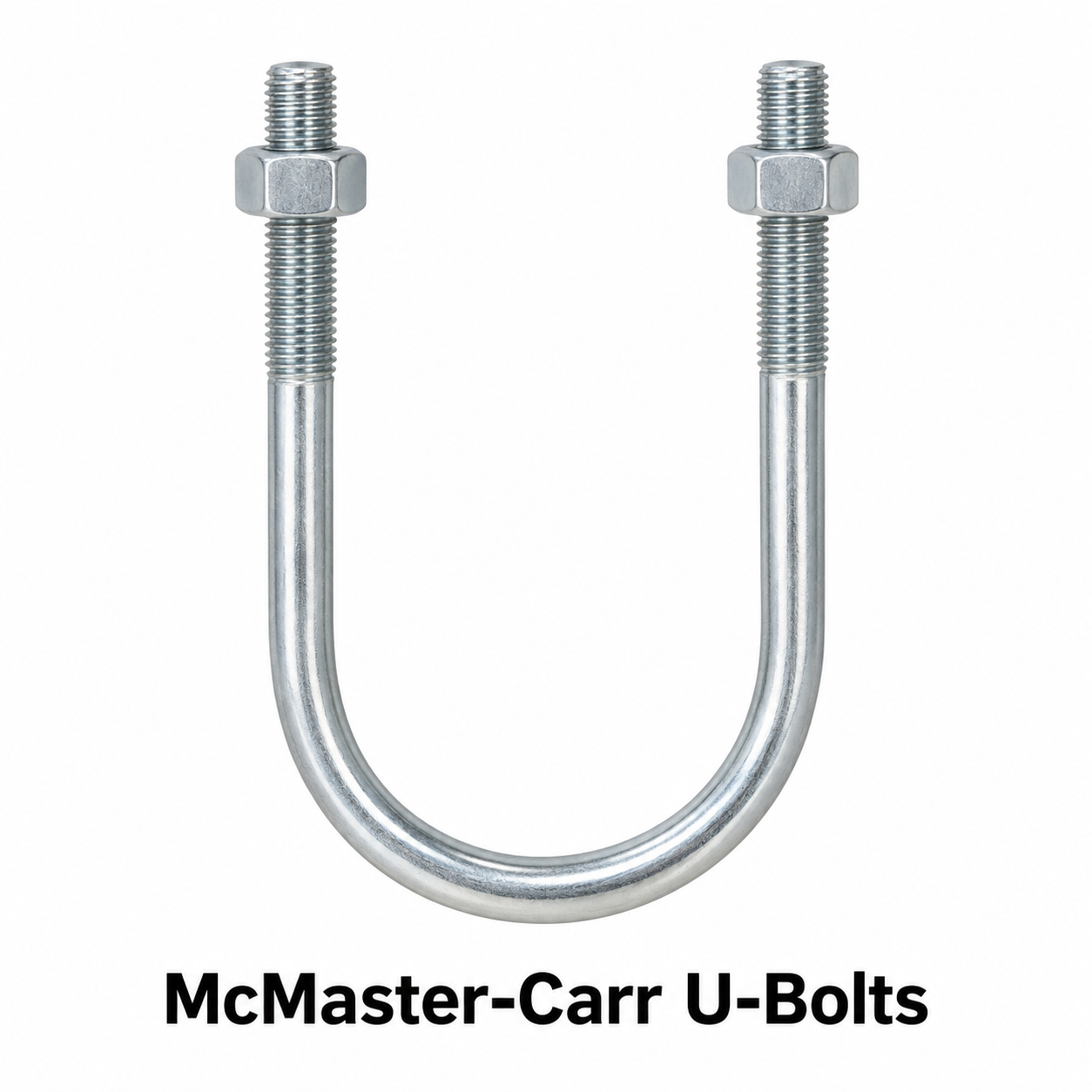
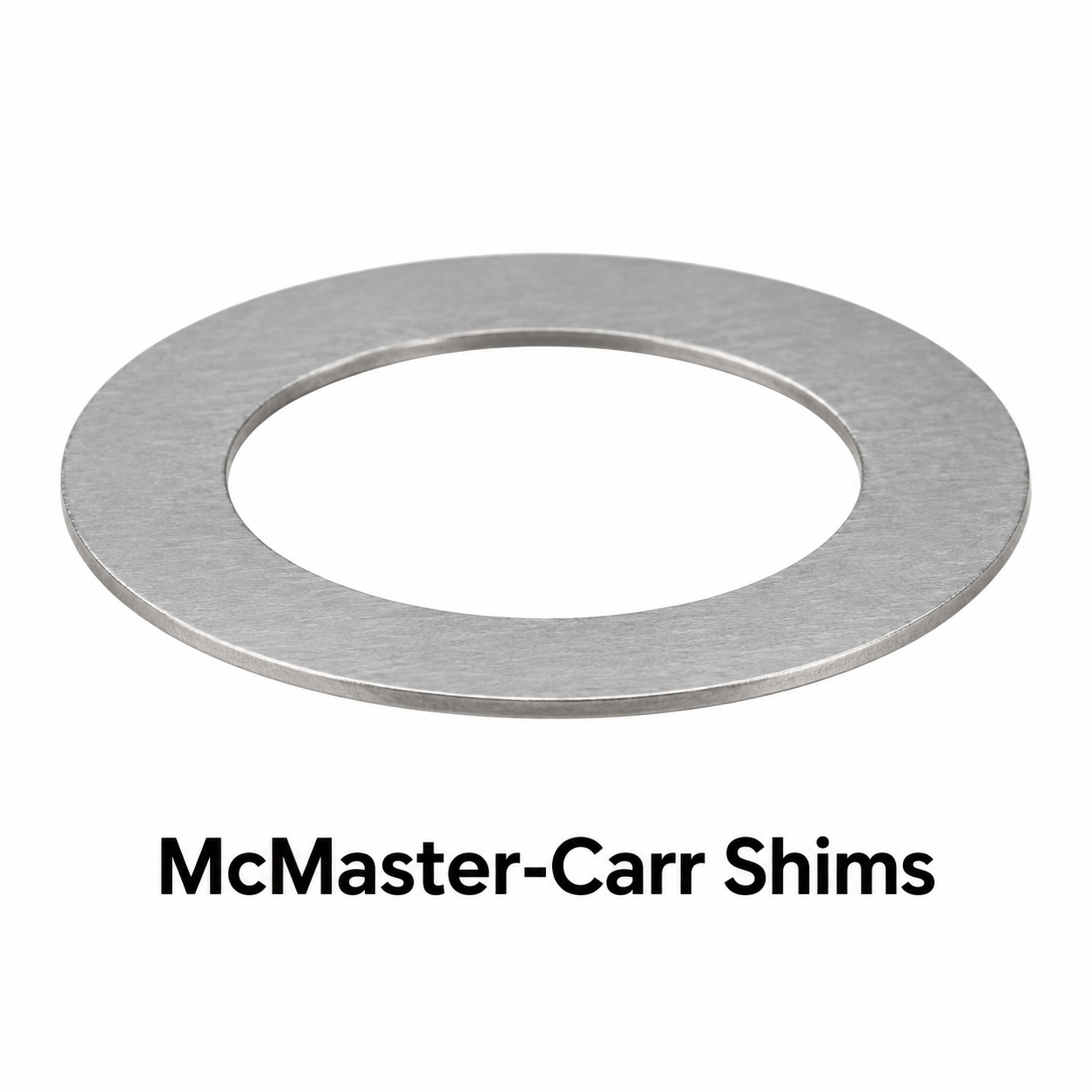
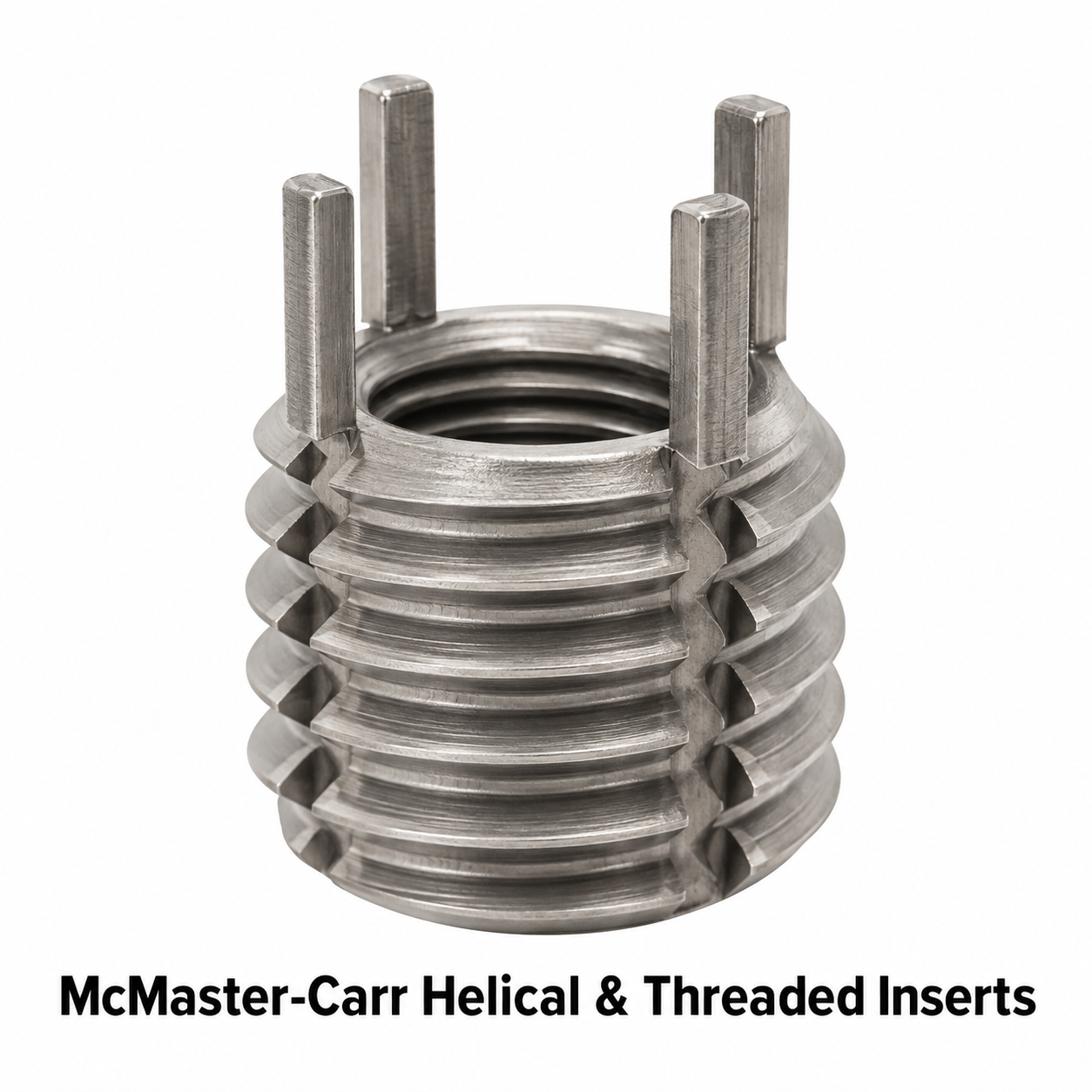
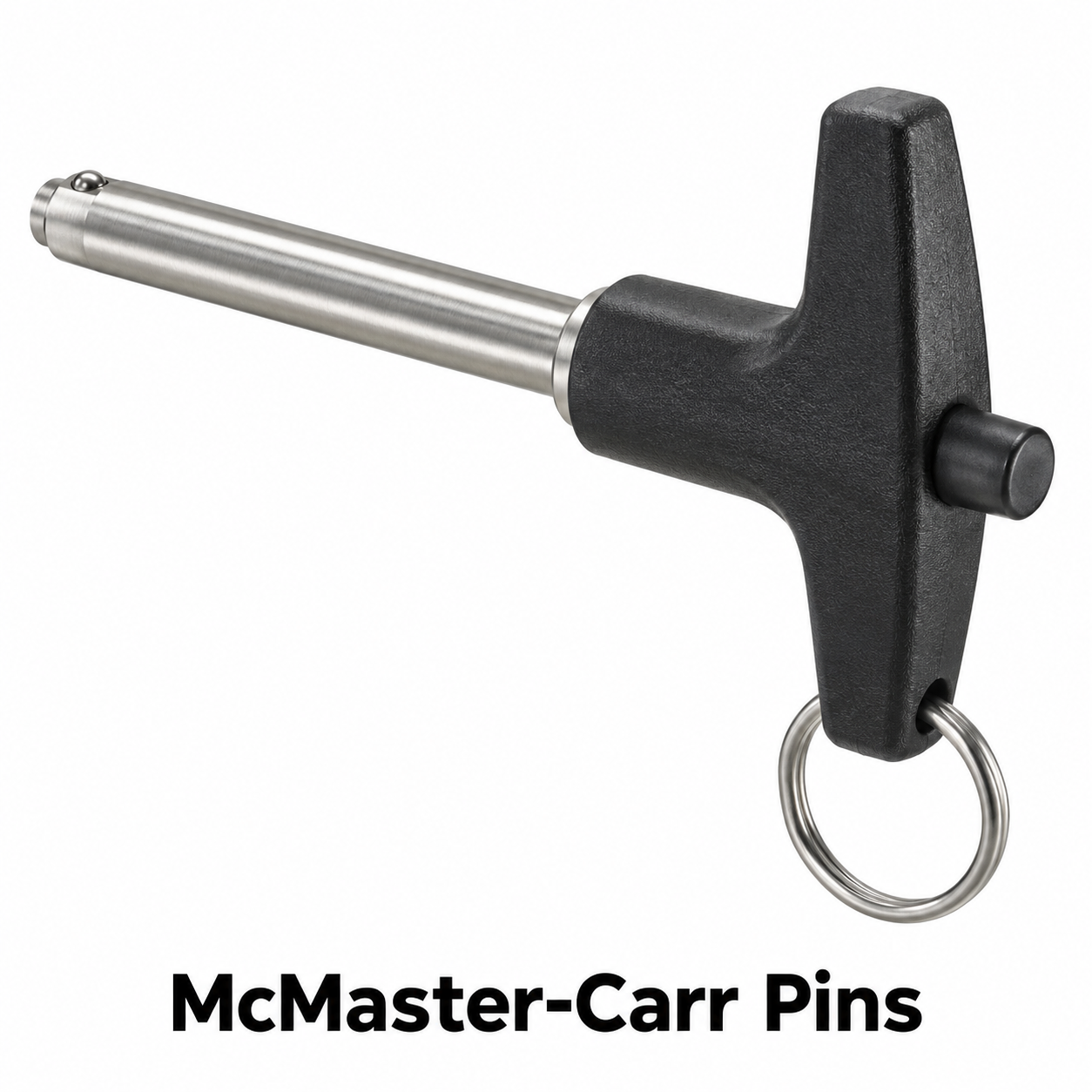
How Specification Matching Works
A category listing of McMaster-Carr Fastening and Joining Parts means little to an engineer who needs to confirm a bolt’s exact thread class, a washer’s material grade, or an anchor’s pull-out rating before committing to a structural connection. SantEnt’s process starts with the buyer’s own specification — a McMaster-Carr part number where one exists, a drawing, or a physical sample sent for cross-referencing — rather than asking a buyer to browse a category and guess. This matters because a mismatched thread pitch or an incorrect grade of steel doesn’t just under-perform; it can produce a joint that fails under load in service.
Once a specification is confirmed, SantEnt’s team verifies it against the live McMaster-Carr Fastening and Joining Parts catalog and flags any thread class, material grade, or coating mismatch before a quote is issued — not after a shipment arrives on-site. A buyer gets a confirmed part number, a stated material grade or alloy where relevant, and a lead time specific to that item, rather than a generic estimate covering an entire category. Pricing is quoted per order rather than published as a fixed list, because landed cost depends on the specific item’s HS classification, freight volume, and current duty structure — a blanket price list would misrepresent what any individual order actually costs.
Import & Compliance Process
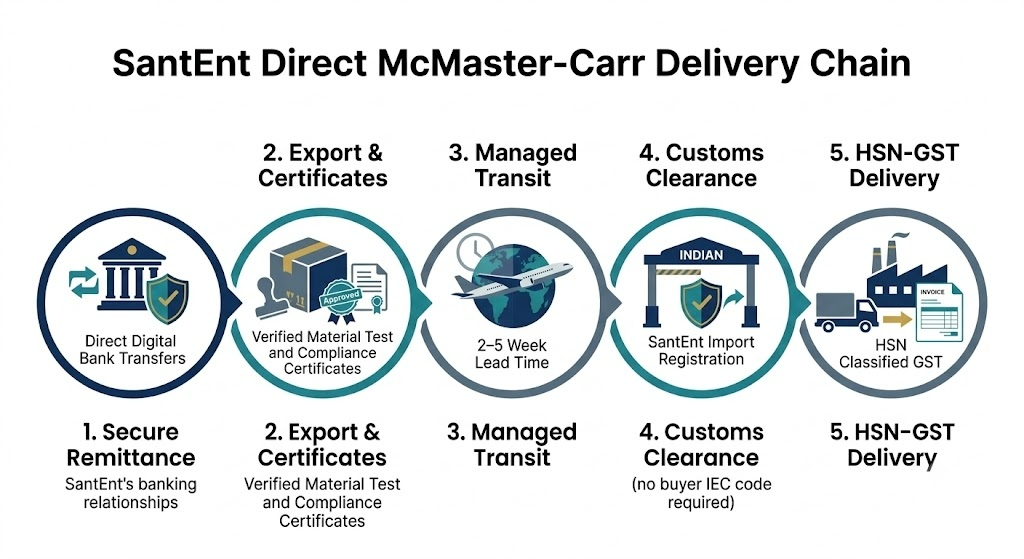
Getting McMaster-Carr Fastening and Joining Parts from a US warehouse to an Indian facility involves international remittance, export documentation on the US side, and customs clearance and GST accounting once the shipment lands in India. SantEnt manages every stage of that chain directly, under its own import registration, rather than leaving a buyer to coordinate a separate freight forwarder. Lead times typically start at 2 weeks for standard fasteners and extend to 4-5 weeks for structural-grade or certification-heavy orders, with the specific window confirmed against the buyer’s actual parts list before an order is placed.
Where a part requires supporting documentation — a material test certificate for structural bolts or high-grade fastener stock, a compliance certificate for a specialty application — that documentation is requested and included with the shipment rather than left for the buyer to chase down afterward. GST is invoiced according to the applicable HSN classification for each item, so a buyer’s finance team receives documentation that reconciles cleanly against Indian tax filing requirements rather than a US-format invoice needing local translation.
Engineering and Technical Support
Fastener sourcing decisions often turn on a technical detail a generic form can’t resolve — whether a thread class matches a tapped hole, whether a bolt grade meets a load requirement, whether an anchor’s pull-out rating suits a base material. SantEnt’s team engages with these directly rather than routing enquiries through an automated form. A buyer with a confirmed part number gets it sourced and verified; one still evaluating options gets direct input using McMaster-Carr’s own specification data, not a guess.
This matters most on requests that don’t fit neatly into a single category: a fastener that needs to match an obsolete drawing with no visible part number, a thread that needs cross-referencing from a worn physical sample, a specialty fastener that needs replacing on equipment where the original documentation has been lost. These are exactly the situations where a keyword-matched category page is least useful, and where direct, responsive technical support actually earns its place in a procurement process.
Applications
McMaster-Carr Fastening and Joining Parts sourced through SantEnt support the following use cases across Indian manufacturing, construction, and assembly operations:
- General mechanical joining: Screws and bolts, among the most frequently reordered McMaster-Carr Fastening and Joining Parts, join components across nearly every Indian industry. This product is typically specified by thread class and material grade to match the load and environment.
- Completing a threaded connection: Nuts and washers, core McMaster-Carr Fastening and Joining Parts, distribute load and prevent loosening under vibration, forming the other half of nearly every bolted joint in a facility.
- Extended-length threaded connections: Studs and threaded rod, essential McMaster-Carr Fastening and Joining Parts, extend a threaded connection beyond a standard bolt length, common in flanged and multi-layer assemblies.
- Locking components onto a shaft: Set screws, widely used McMaster-Carr Fastening and Joining Parts, lock a component in place on a shaft without a separate nut, common in pulley, collar, and gear applications.
- Low-profile, high-strength fastening: Socket head screws, classified as McMaster-Carr Fastening and Joining Parts, provide a low-profile, high-strength fastening option for recessed and clearance-limited applications.
- Structural and load-bearing connections: Structural bolts, sourced as McMaster-Carr Fastening and Joining Parts, join load-bearing members in construction and heavy fabrication work where a standard machine screw wouldn’t carry the required load.
- Fastening into concrete and masonry: Anchors, catalogued among McMaster-Carr Fastening and Joining Parts, secure fasteners into concrete, masonry, and other base materials that don’t hold a standard thread on their own.
- Durable threading in soft materials: Threaded inserts, specialised McMaster-Carr Fastening and Joining Parts, add a durable, reusable thread to soft materials such as plastic or thin sheet metal.
- Retaining components without a separate fastener: Retaining rings, part of the McMaster-Carr Fastening and Joining Parts range, hold components in place on a shaft or in a bore without needing an additional fastener.
- Pinned mechanical connections: Cotter and clevis pins secure pinned linkages, while dowel pins, both McMaster-Carr Fastening and Joining Parts, align mating parts precisely during assembly.
- Tool-free repeated disconnection: Quick-release pins, sourced as McMaster-Carr Fastening and Joining Parts, let a technician disconnect and reconnect a joint repeatedly without tools, common on removable guards and access panels.
- Threaded connections in thin sheet metal: Rivet nuts, catalogued as McMaster-Carr Fastening and Joining Parts, add a threaded connection point to thin or single-sided sheet metal where a nut can’t be accessed from behind.
- Panels that get opened repeatedly: Captive panel fasteners, part of the McMaster-Carr Fastening and Joining Parts range, stay attached to a panel even when loosened, useful on access covers opened often during maintenance.
- Restricted-access and tamper-resistant applications: Specialty and tamper-resistant fasteners, sourced as McMaster-Carr Fastening and Joining Parts, address applications needing an unusual drive type or restricted removal by unauthorised personnel.
- Non-conductive and corrosion-sensitive fastening: Nylon and plastic fasteners, catalogued as McMaster-Carr Fastening and Joining Parts, handle non-conductive or corrosion-sensitive applications where metal isn’t suitable, alongside fastener assortments and installation tools that round out a complete kit.
Why Choose SantEnt for your next McMaster-Carr Fastening & Joining?
- Specification-first quoting, not category browsing: Every quote is built against a real part number, drawing, or sample, with McMaster-Carr Fastening and Joining Parts matched at the thread-class and material-grade level rather than sold off a generic listing.
- Genuine parts guarantee: Every McMaster-Carr Fastening and Joining Part is sourced directly, with no compromise on authenticity — a material concern for structural and load-bearing fasteners, where a counterfeit or under-graded product can fail exactly when it’s under load.
- Technical documentation, including material test certificates: Detailed specs, material test certificates, and compliance certificates are supplied wherever available for McMaster-Carr Fastening and Joining Parts, supporting the accurate decisions engineering and quality teams need to sign off on purchases.
- Transparent, order-specific pricing: Pricing for McMaster-Carr Fastening and Joining Parts is quoted against the buyer’s actual parts list and current landed-cost factors — freight, duty classification, GST — rather than published as a blanket rate that doesn’t reflect what any real order costs.
- Consolidated shipping to India: SantEnt handles logistics end-to-end till your door for combined orders of screws, bolts, and specialty fasteners, instead of tracking multiple international parcels separately.
- Named import and customs handling: SantEnt manages remittance, export documentation, and Indian customs clearance directly under its own import registration, rather than leaving a buyer to coordinate a separate freight forwarder.
- Reliable, order-specific lead times: Delivery schedules for McMaster-Carr Fastening and Joining Parts shipped to Indian buyers are confirmed against your specific parts list before you place an order, typically starting from 2 weeks for standard items.
- Direct engineering input, not a form queue: SantEnt’s team engages with thread-class, load-rating, and anchor-sizing questions directly, whether you’re working from a part number, a drawing, or a worn physical sample.
- Sourcing expertise beyond a generic catalog: As an authorised distributor for Schaeffler/FAG, Dodge, and Optibelt alongside its McMaster-Carr Fastening and Joining Parts sourcing role, SantEnt brings direct product knowledge of how these fasteners integrate with the equipment they hold together.
- Single point of accountability: SantEnt acts as one sourcing partner for every category of McMaster-Carr Fastening and Joining Parts, which simplifies vendor management and after-sales conversations if an issue does arise.
- Audit-ready traceability: Every McMaster-Carr Fastening and Joining Part supplied through SantEnt carries traceable documentation back to a genuine source, useful when a quality audit asks for proof of a fastener’s certified grade.
- Support across multiple facility types: SantEnt’s customer base spans Mining, Aerospace, Electronics, Machine Tools, Automation, Robotics, and Process Industries, giving its team practical exposure to how McMaster-Carr Fastening and Joining Parts are specified across very different load and environmental conditions.
- No minimum-order friction: SantEnt sources a single McMaster-Carr Fastening and Joining Part as readily as a bulk order for a full production run, which matters for teams that need to top up one fastener size without placing an unnecessarily large order.
- Consistency across repeat orders: Facilities that reorder the same screws, bolts, or anchors on a recurring basis deal with the same sourcing relationship each time, avoiding specification drift from switching local vendors.
- A partner that understands Indian compliance context: SantEnt’s decades of experience with Indian customs, GST, and import compliance mean McMaster-Carr Fastening and Joining Parts arrive with the documentation Indian production and finance teams actually need, rather than paperwork built only for a US buyer.
SantEnt’s global sourcing network allows you to execute your McMaster-Carr Fastening and Joining Parts imports through a single point of supply, a single invoice, and with official certificates of compliance. We undertake every step of the import process on your behalf: international remittances, customs clearance, banking & compliance formalities, pre-dispatch inspection, packing, forwarding, sorting and door delivery. This end-to-end model is particularly relevant for fastening hardware, where individual items can be grade-specific and load-critical — structural bolts, anchors, and specialty fasteners all present classification and quality-verification challenges that a first-time international buyer would otherwise have to solve alone.
Frequently Asked Questions
- ***Is SantEnt an authorised McMaster-Carr distributor?**
SantEnt is an independent distribution partner for McMaster-Carr Fastening and Joining Parts in India. SantEnt is not formally appointed as a distributor by McMaster-Carr, and instead operates as a sourcing and import intermediary — procuring genuine parts on your behalf and managing customs clearance and compliance documentation. - ***How long does McMaster-Carr Fastening and Joining Parts sourcing take from India?**
Lead times typically start at 2 weeks for standard fasteners and extend to 4-5 weeks for structural-grade or certification-heavy orders, confirmed against your specific parts list before you commit to an order. - ***What McMaster-Carr Fastening and Joining Parts can SantEnt supply?**
SantEnt can supply every category in the Fastening and Joining division — screws, bolts, anchors, threaded inserts, specialty fasteners, and more — for single components or bulk orders, with no minimum order requirement. - ***Are the parts 100% genuine?**
Yes. Every McMaster-Carr Fastening and Joining Part order sourced through SantEnt is genuine, with no compromise on specification, and is supported by certificates of compliance — important for structural and load-bearing hardware, where a counterfeit or under-graded fastener can fail exactly when it’s under load. - ***How is pricing determined, and why isn’t there a published price list?**
Pricing depends on the specific part’s landed cost — freight, HS classification, and current duty and GST treatment — so SantEnt quotes against each buyer’s actual parts list rather than publishing a fixed rate that wouldn’t reflect any real order’s true cost. - ***Does SantEnt provide material test certificates for structural fasteners?**
Yes. Technical documentation, including material test certificates and compliance certificates, is supplied wherever available for McMaster-Carr Fastening and Joining Parts, so quality teams have what they need to sign off before a structural fastener goes into service. - ***How does SantEnt handle customs clearance and GST on these imports?**
SantEnt manages remittance, export documentation, and Indian customs clearance under its own import registration, then invoices according to the applicable HSN classification so the paperwork reconciles cleanly against Indian GST filing requirements. - ***What if the McMaster-Carr Fastening and Joining Part I need isn’t listed under the named categories?**
McMaster-Carr’s catalog runs to over 700,000 products, so many specific items exist beneath the category names shown here. Share a part number, drawing, or sample, and SantEnt’s team will confirm sourcing before you place an order. - ***Does SantEnt help verify thread class, load rating, or material grade, or only fulfil confirmed part numbers?**
Both. If you already have a confirmed part number, SantEnt sources it directly. If you’re still verifying a thread class or a load rating, SantEnt’s team engages with that question directly rather than routing it through an automated form. - ***Is warranty or after-sales support different from buying McMaster-Carr Fastening and Joining Parts directly from the US?**
SantEnt stands behind every order with its own certificates of compliance and an after-sales point of contact based in India, so issues are raised locally rather than routed through an international support process. - ***Is there a minimum order value for McMaster-Carr Fastening and Joining Parts sourced through SantEnt?**
No. SantEnt sources single components as readily as bulk orders, though very small orders may carry proportionally higher freight and customs costs, factored transparently into the quote. - ***Can SantEnt supply matching fasteners for assemblies designed elsewhere?**
Yes, provided the part can be identified against the McMaster-Carr catalog. SantEnt can source the exact matching McMaster-Carr Fastening and Joining Part using a part number, drawing, or physical sample, even if the original wasn’t sourced through SantEnt. - ***How does SantEnt verify that a Fastening and Joining part matches the exact specification requested?**
Every McMaster-Carr Fastening and Joining Part is matched against the buyer’s specification — part number, thread class, grade, or sample — before dispatch, so discrepancies are caught before the order is finalised, not after the shipment arrives. - ***Can export-oriented Indian manufacturers use SantEnt for facilities outside India?**
SantEnt’s core service is built around importing into India, so cross-border requirements are best confirmed directly — reach out with destination and requirement details, and SantEnt’s team will advise whether the request can be accommodated. - ***How do I request a quote?**
Reach out at +91 62920 38100 or info@santent.in with your requirement, and we’ll revert with net pricing and availability. Sharing a part number, drawing, or sample speeds up the quote, particularly for custom grade or thread configurations.
Contact SantEnt now for the Best Prices & Ready Stock!