
Last Updated: September 2026 | Sourced via SantEnt Procurement Team
McMaster-Carr Fabricating
SantEnt, established in 1977, is an independent procurement partner for McMaster-Carr Fabricating Parts in India, alongside formal authorised distributor status with Schaeffler, FAG, INA, Dodge, RBC, BeCo and Optibelt — serving Mining, Aerospace, Electronics, Machine Tools, Automation, Robotics, and Process Industries. Over nearly five decades, SantEnt has built the import, customs, and quality-verification infrastructure Indian manufacturers need to source specialised fabrication equipment without managing an international vendor relationship alone.
McMaster-Carr, founded in 1901, runs one of the world’s largest catalogs of engineering goods — 700,000+ products spanning fasteners, raw materials, and electrical components. Its Fabricating division spans more than 20 categories, from welding supplies and riveting tools to sheet metal forming equipment and presses. Direct international orders mean navigating export documentation, freight, and customs — SantEnt removes that friction, letting a fabrication supervisor specify a part number, thread pitch, or alloy grade and receive this product domestically instead.
Product Range
SantEnt brings McMaster-Carr Fabricating Parts to Indian buyers, sourcing, consolidating, and delivering this product line with the same reliability Indian industries expect from a local partner. Rather than navigating international ordering directly, customers get a single point of contact for identification, procurement, and logistics — ensuring genuine McMaster-Carr Fabricating Parts reach you on time, whether the requirement is a single box of welding rods or a recurring bulk order of rivets for a production line. Every quote SantEnt issues is built against the buyer’s own part number, drawing, or physical sample, rather than a generic category listing.
This McMaster-Carr Fabricating Parts division covers more than 20 categories, each mapped to a specific joining, forming, or shaping process found across Indian metalworking and assembly operations. Welding equipment and supplies join metal parts through fusion, forming the backbone of structural fabrication across nearly every Indian manufacturing sector, while welding rods, wire, and electrodes are consumed continuously and reordered on a predictable cycle. Soldering and brazing equipment and supplies join metal parts at lower temperatures than welding, common in electrical, plumbing, and precision assembly work where a weld would introduce too much heat.
Riveting tools and rivets join sheet metal and structural components without heat, a category especially relevant in aerospace-adjacent and enclosure fabrication work, while adhesives and tapes bond materials that can’t be welded, soldered, or riveted at all. Threading and tapping tools cut internal and external threads into a workpiece, and drill bits, countersinks, and reamers prepare holes to the exact diameter and finish a downstream fastener or fit requires. Deburring tools remove sharp edges left behind by cutting and machining operations, a small but essential finishing step most fabrication shops perform constantly.
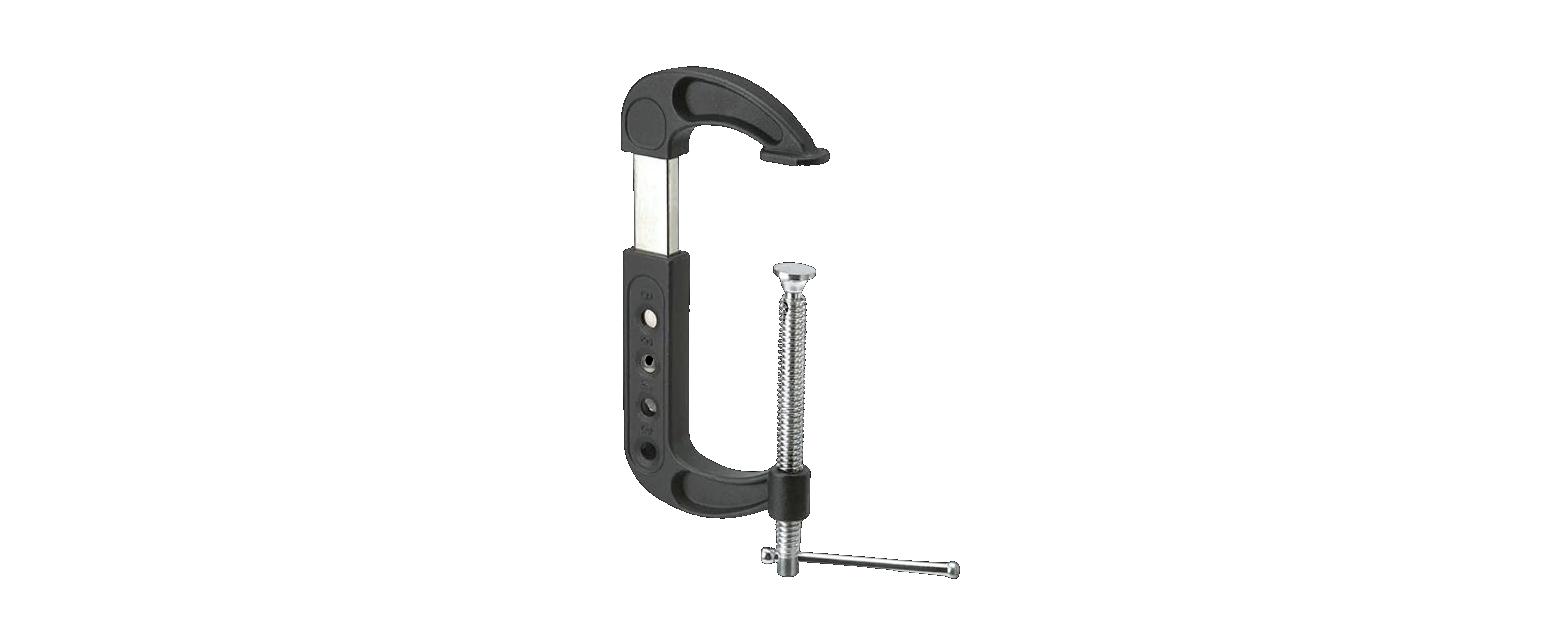
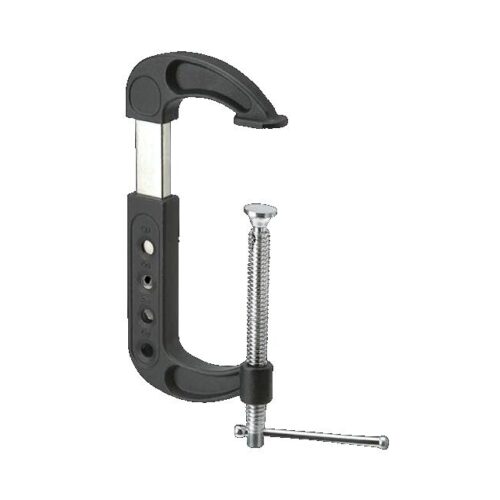
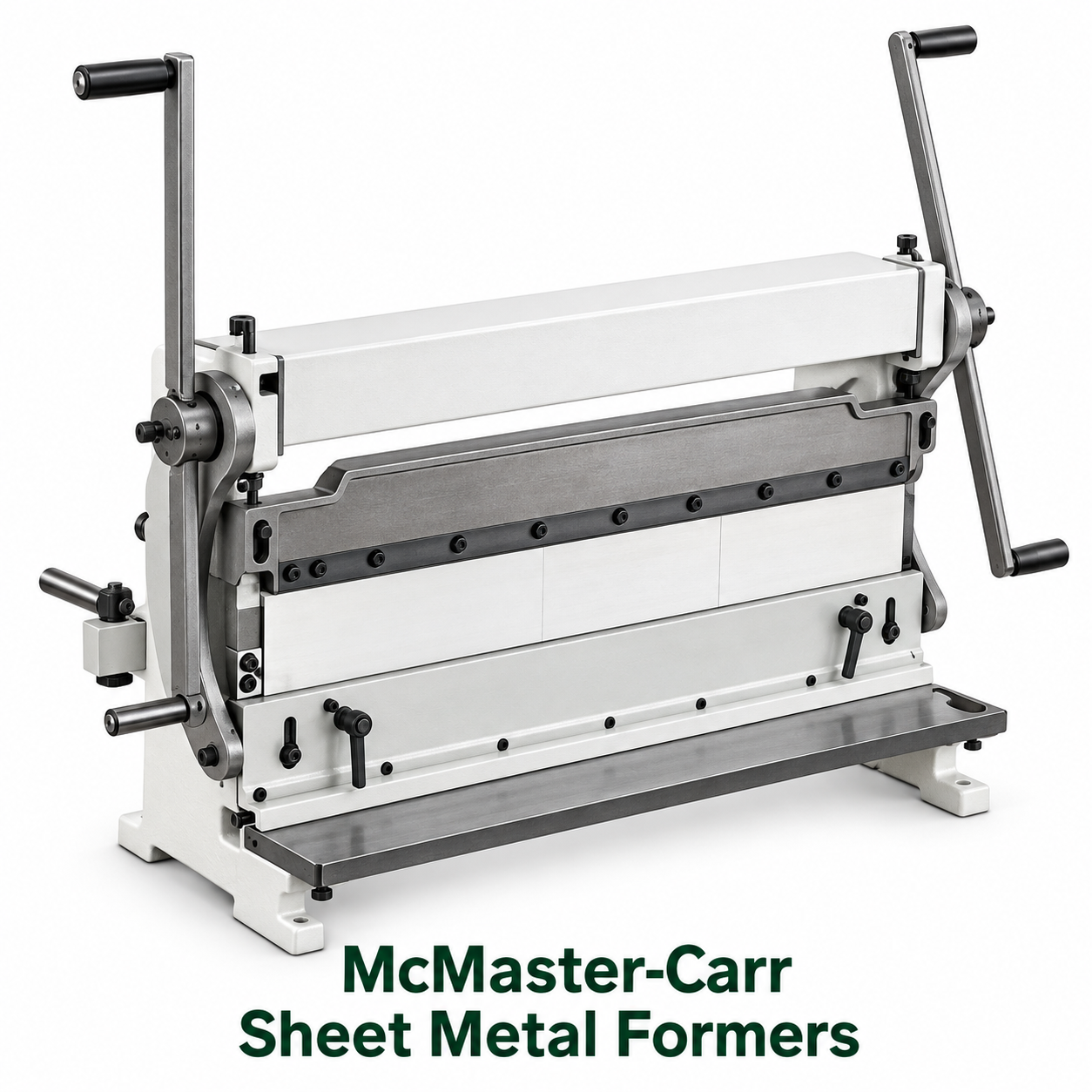
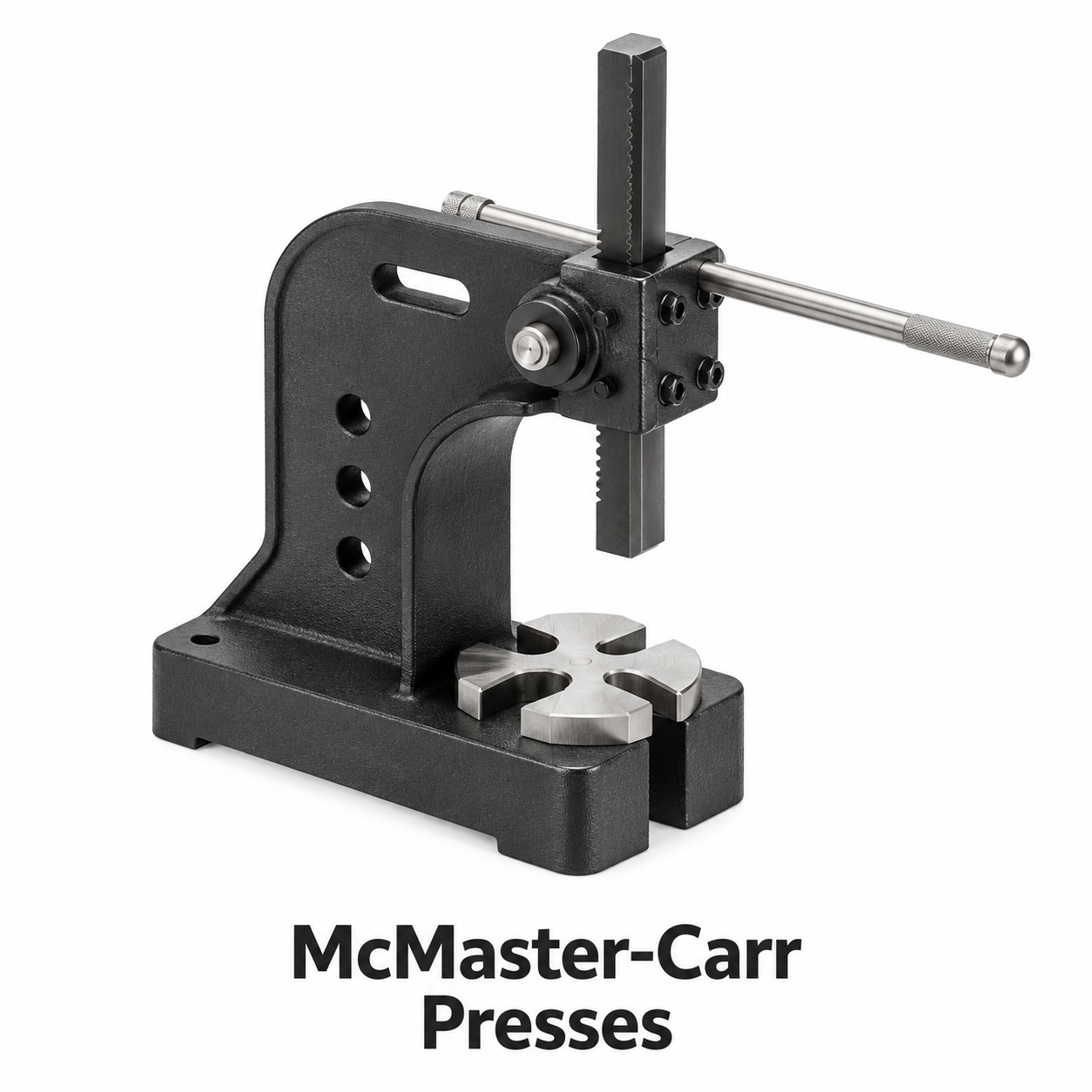
Metal stamping and marking tools imprint identification or decorative detail, while punches and dies shape or pierce sheet metal at high volume. Sheet metal forming tools and bending brakes shape flat stock, and shears cut sheet and plate to size. Arbor and hydraulic presses apply controlled force for pressing and assembly, bench grinders sharpen tools, and cutting torches handle heavy-gauge cutting. Clamps, vises, and anvils round out the range — equipping a complete fabrication-shop programme through one supplier.
The categories visible on McMaster-Carr’s Fabricating division page include:
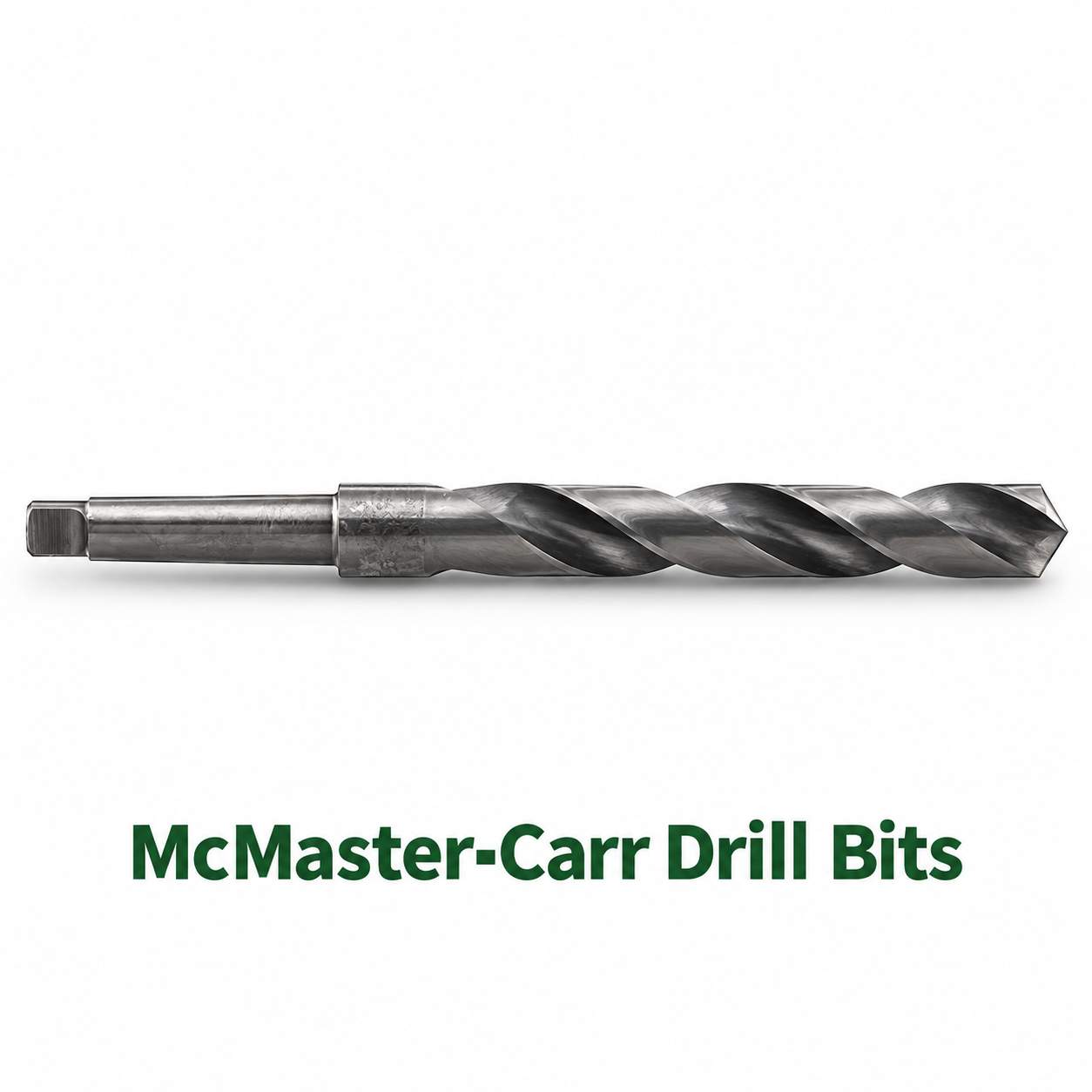
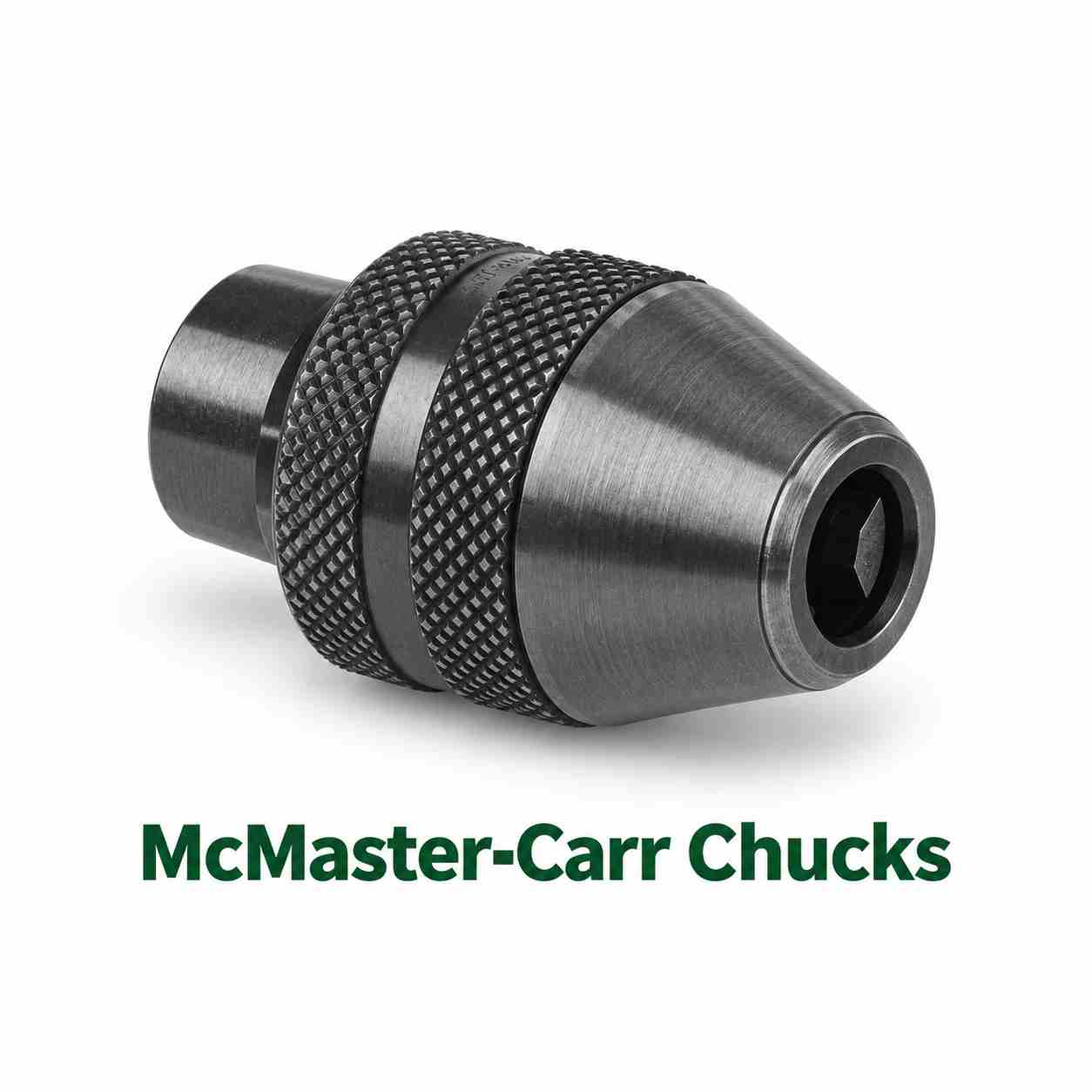
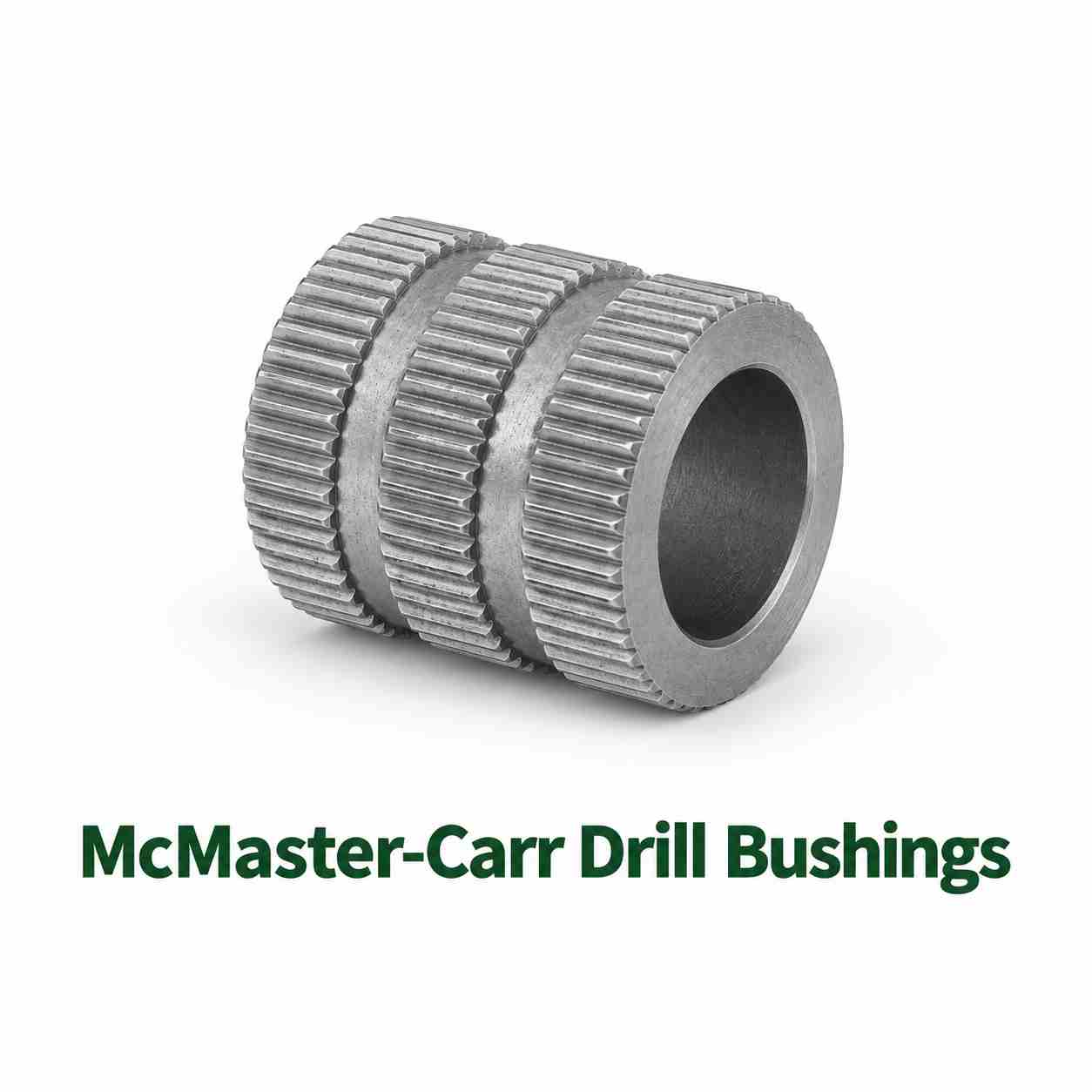
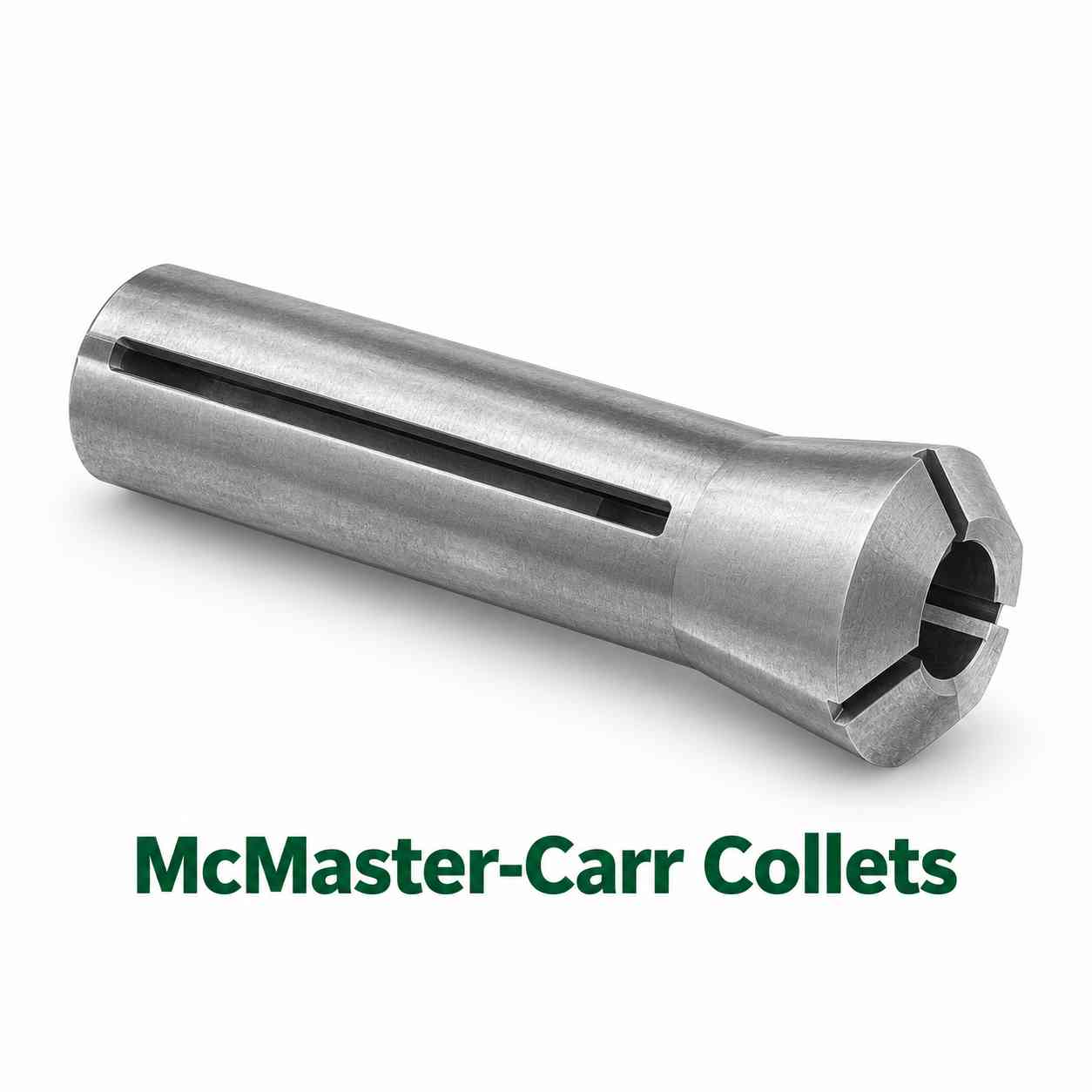
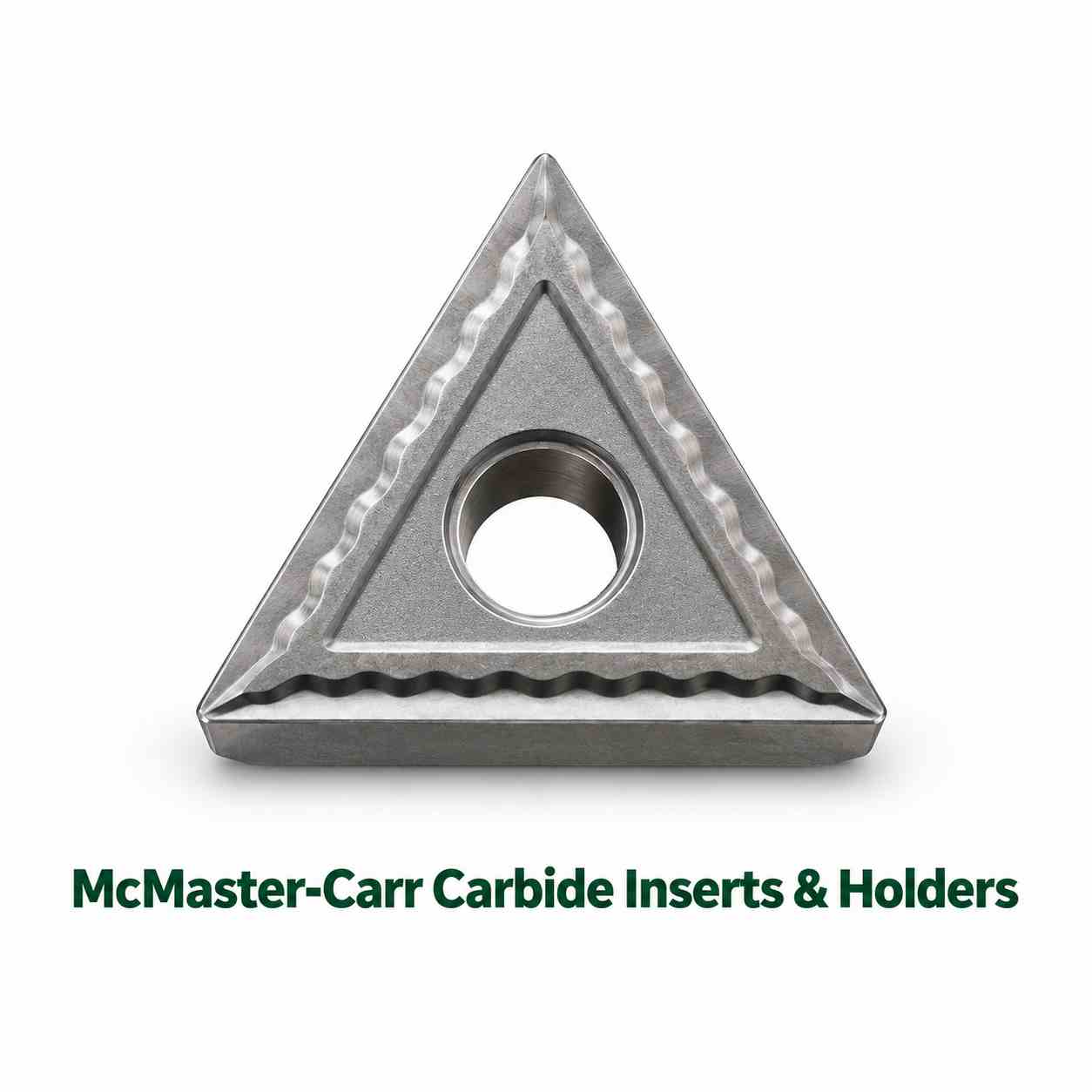
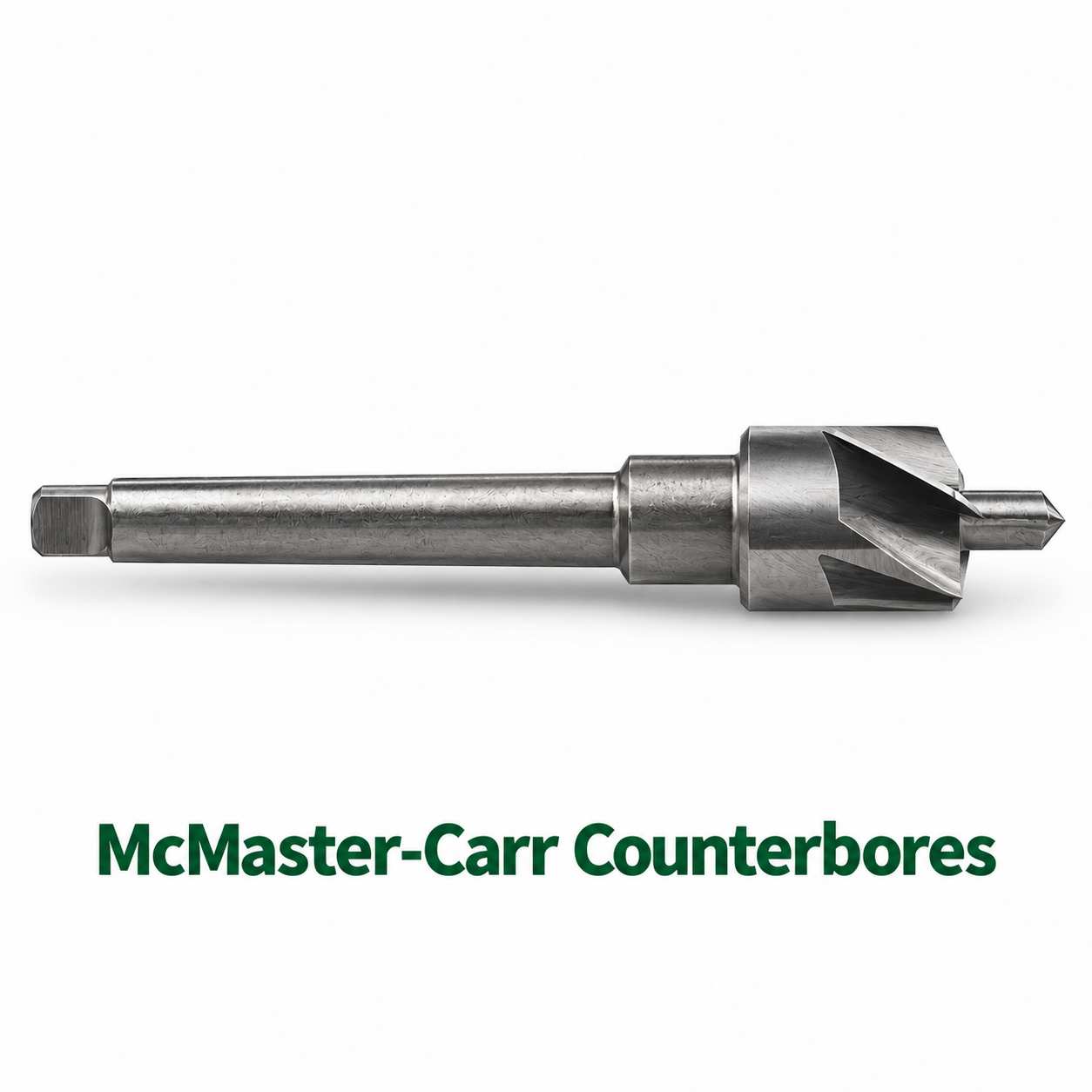
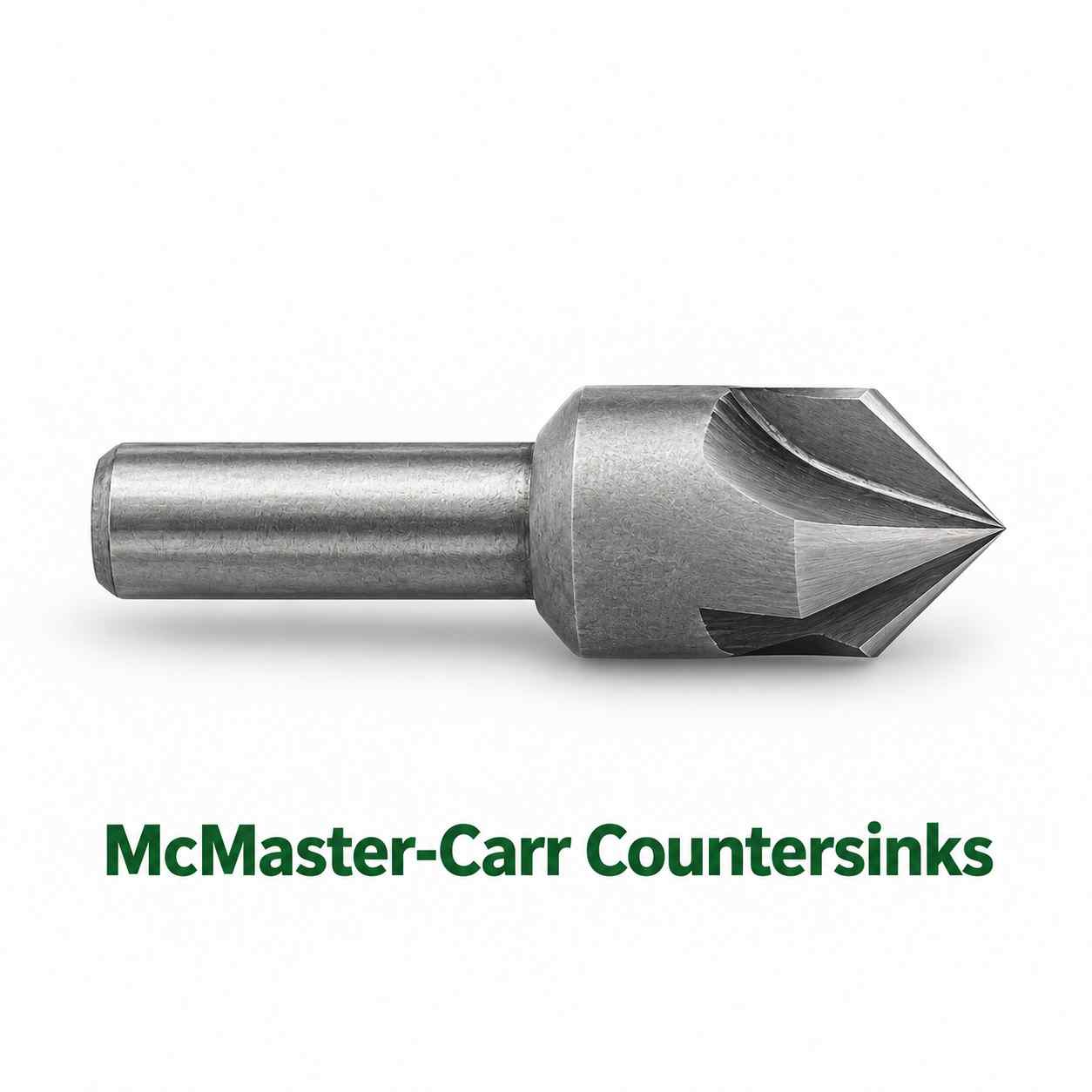
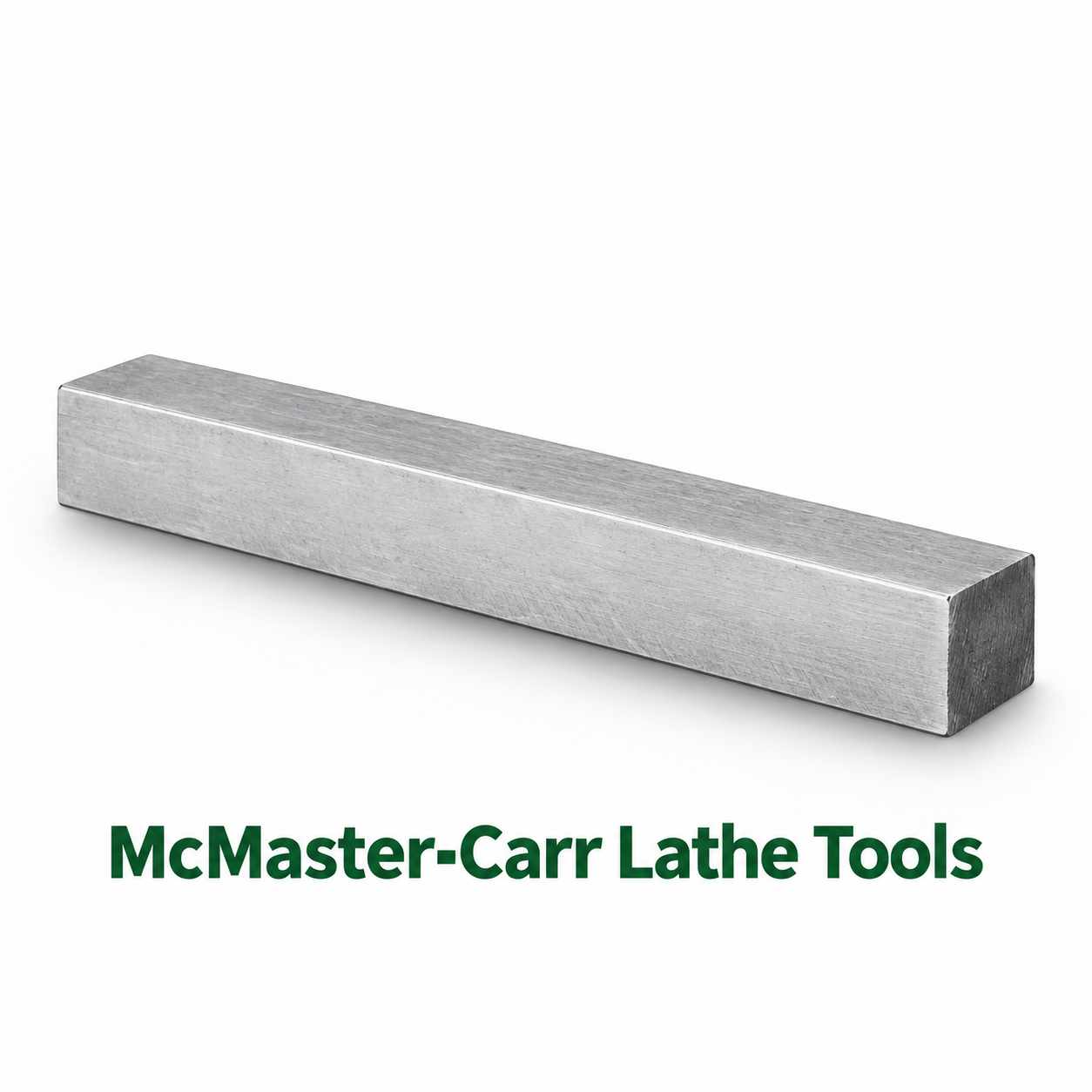
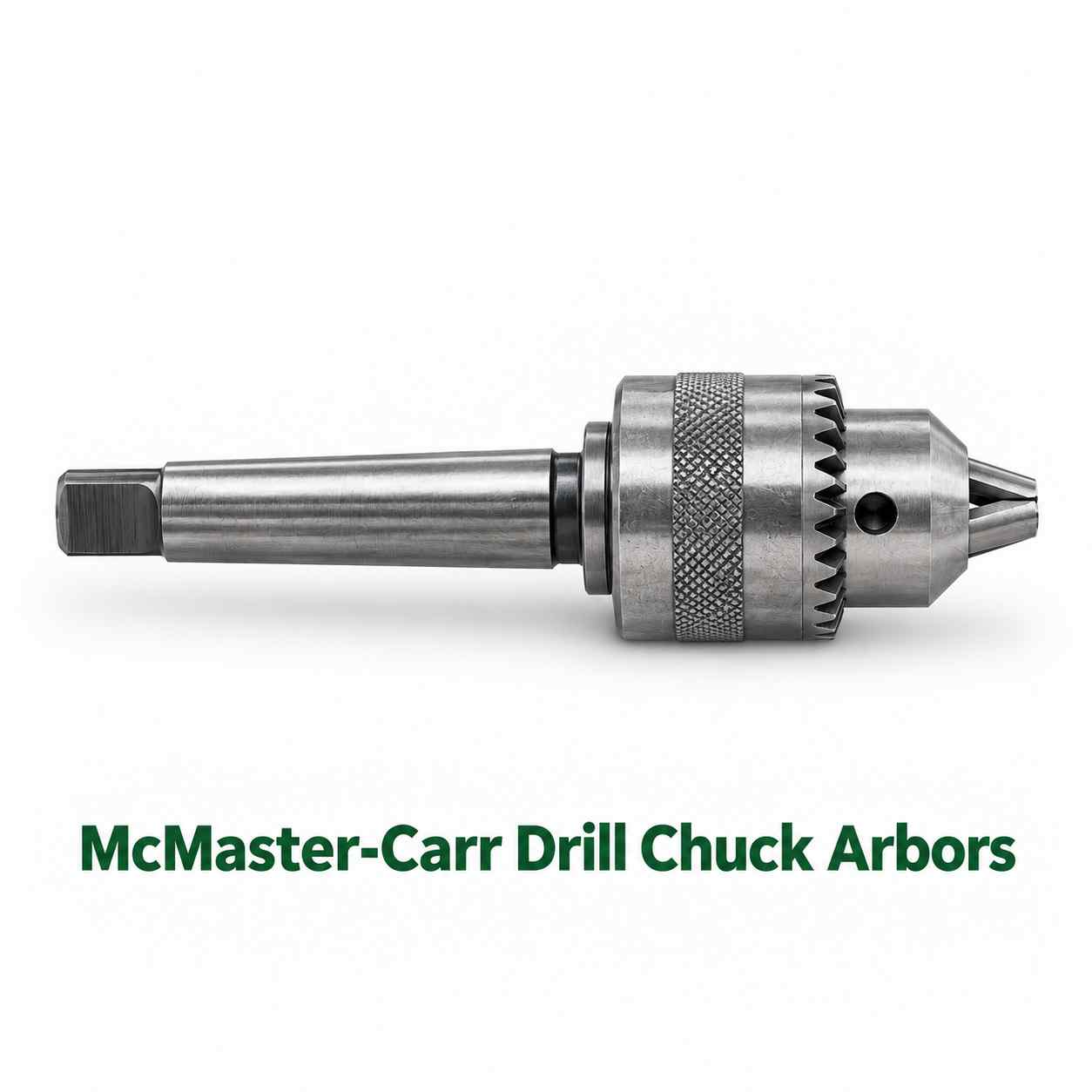
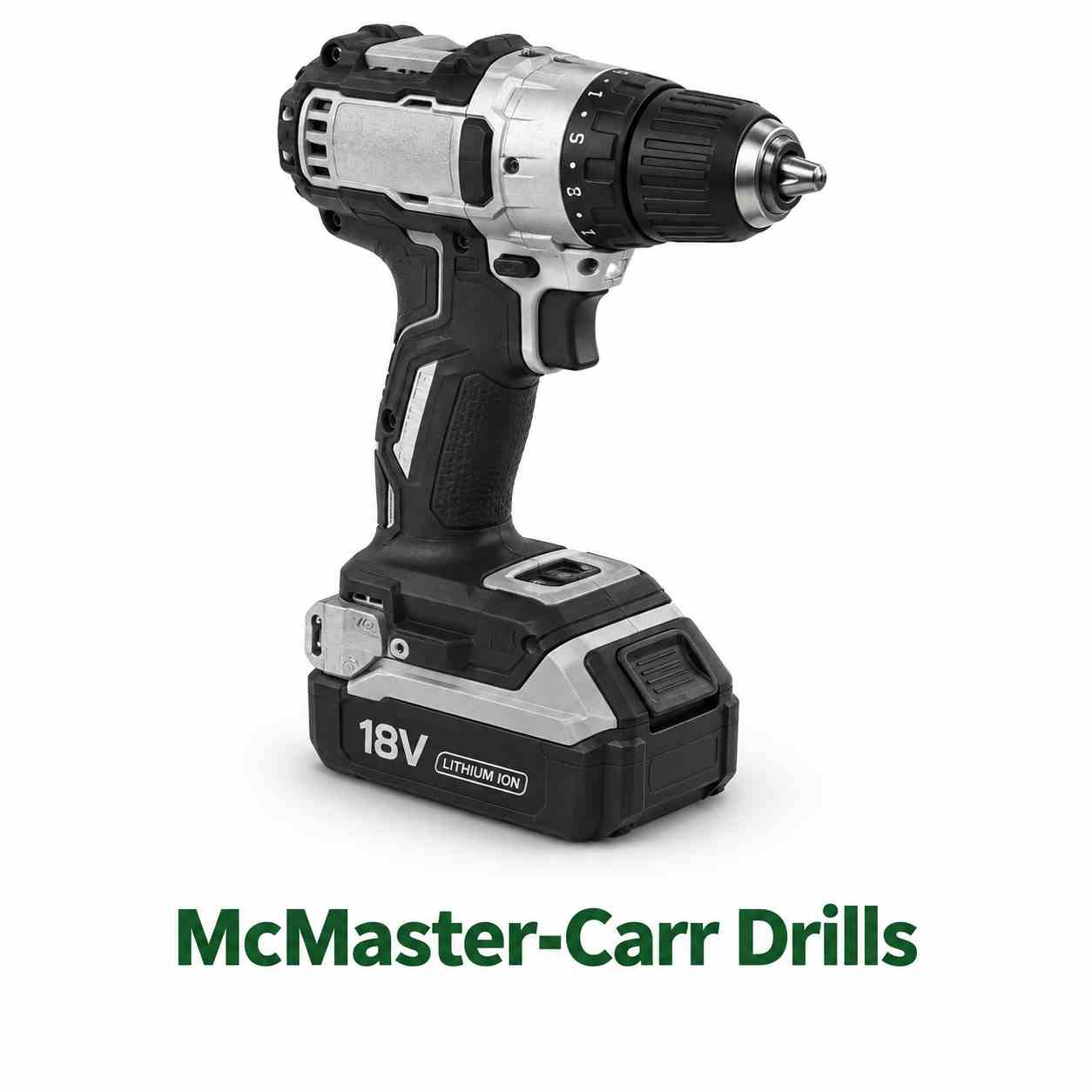
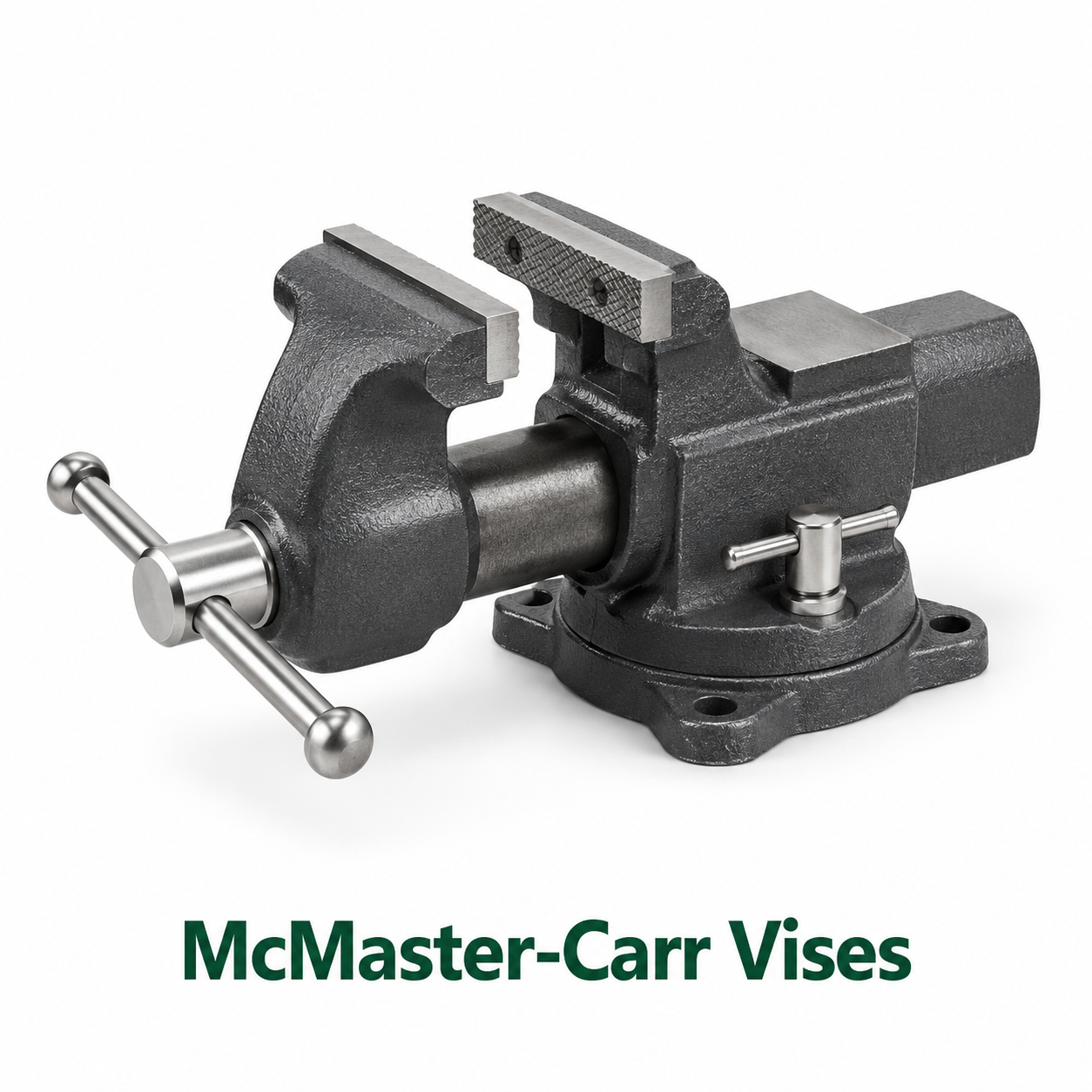
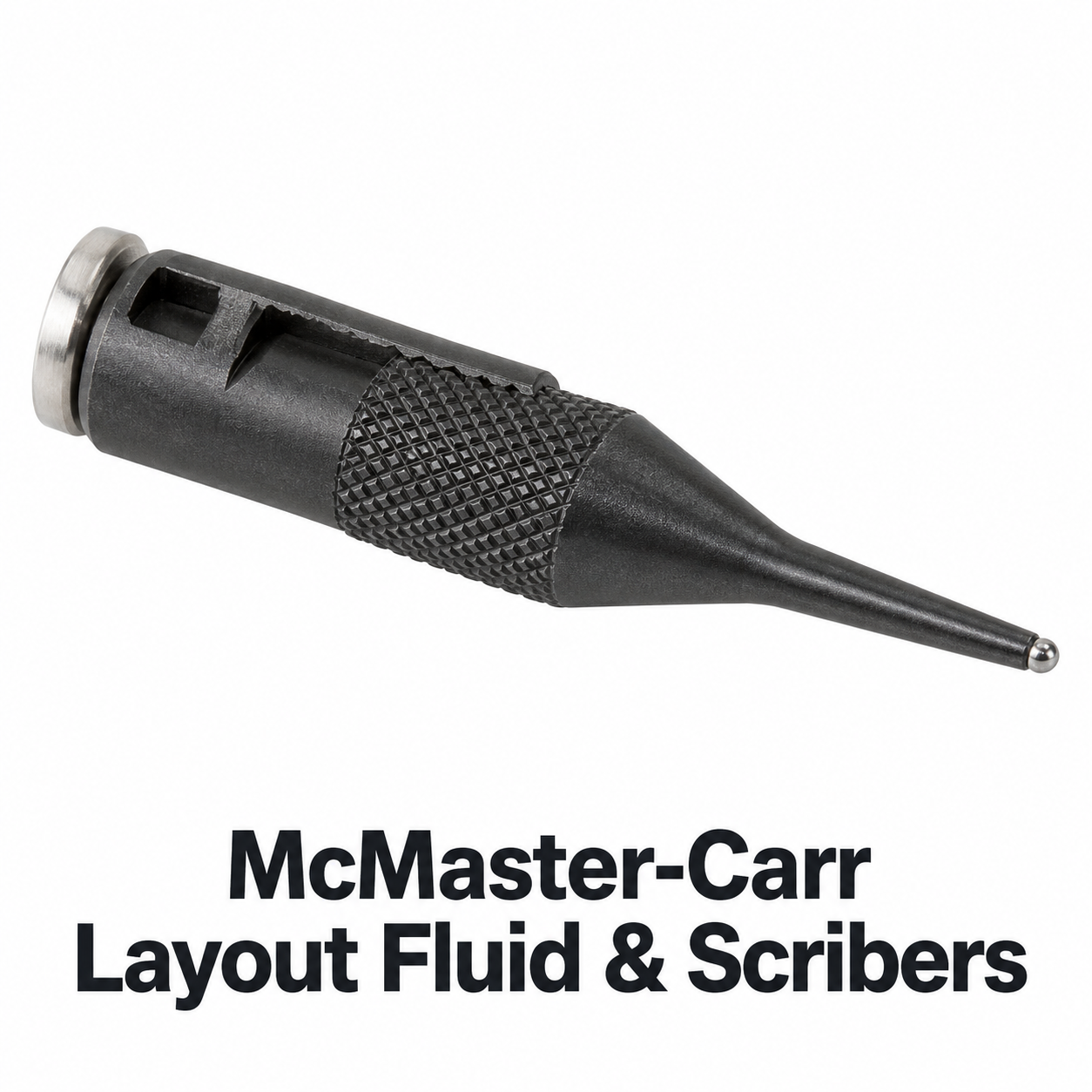
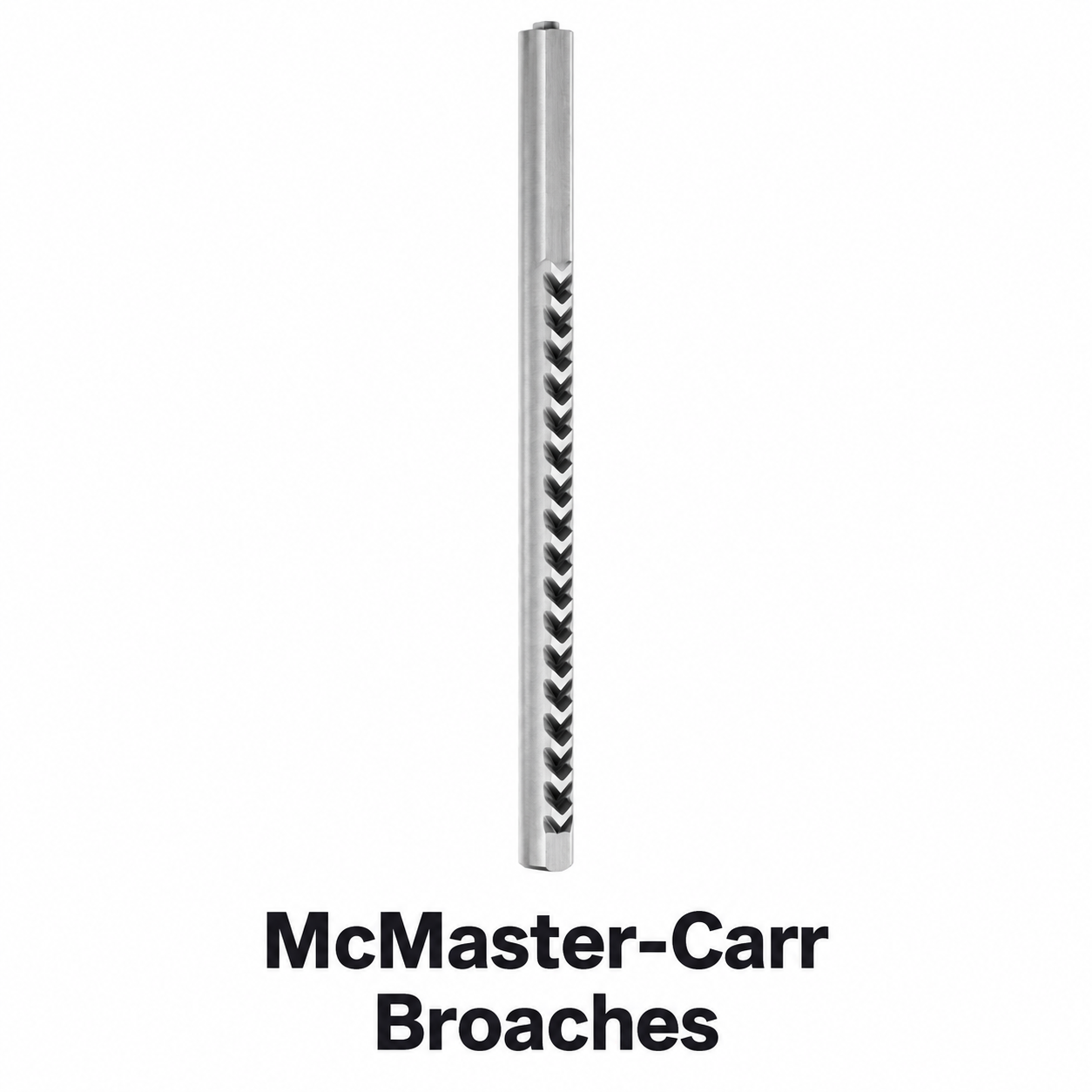
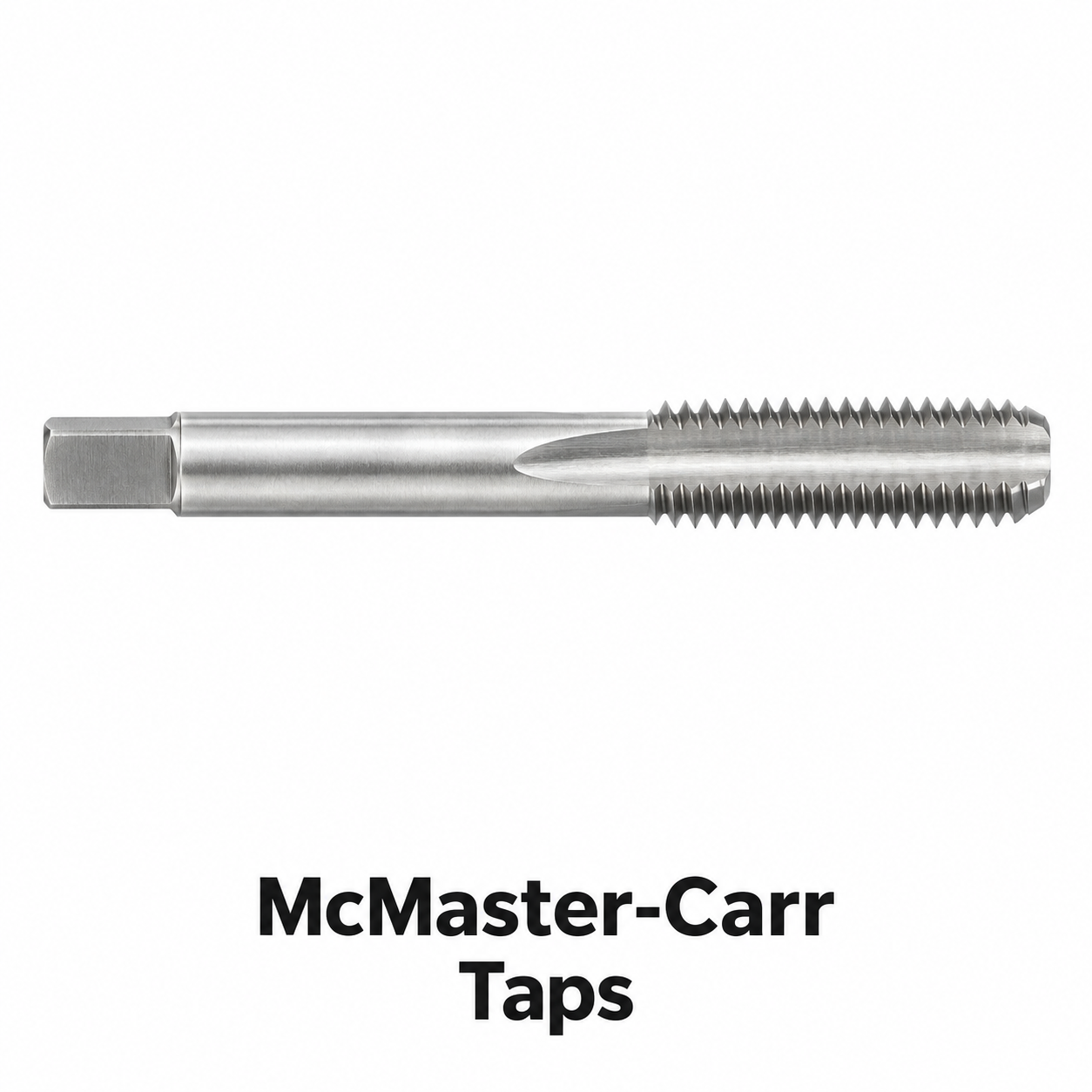
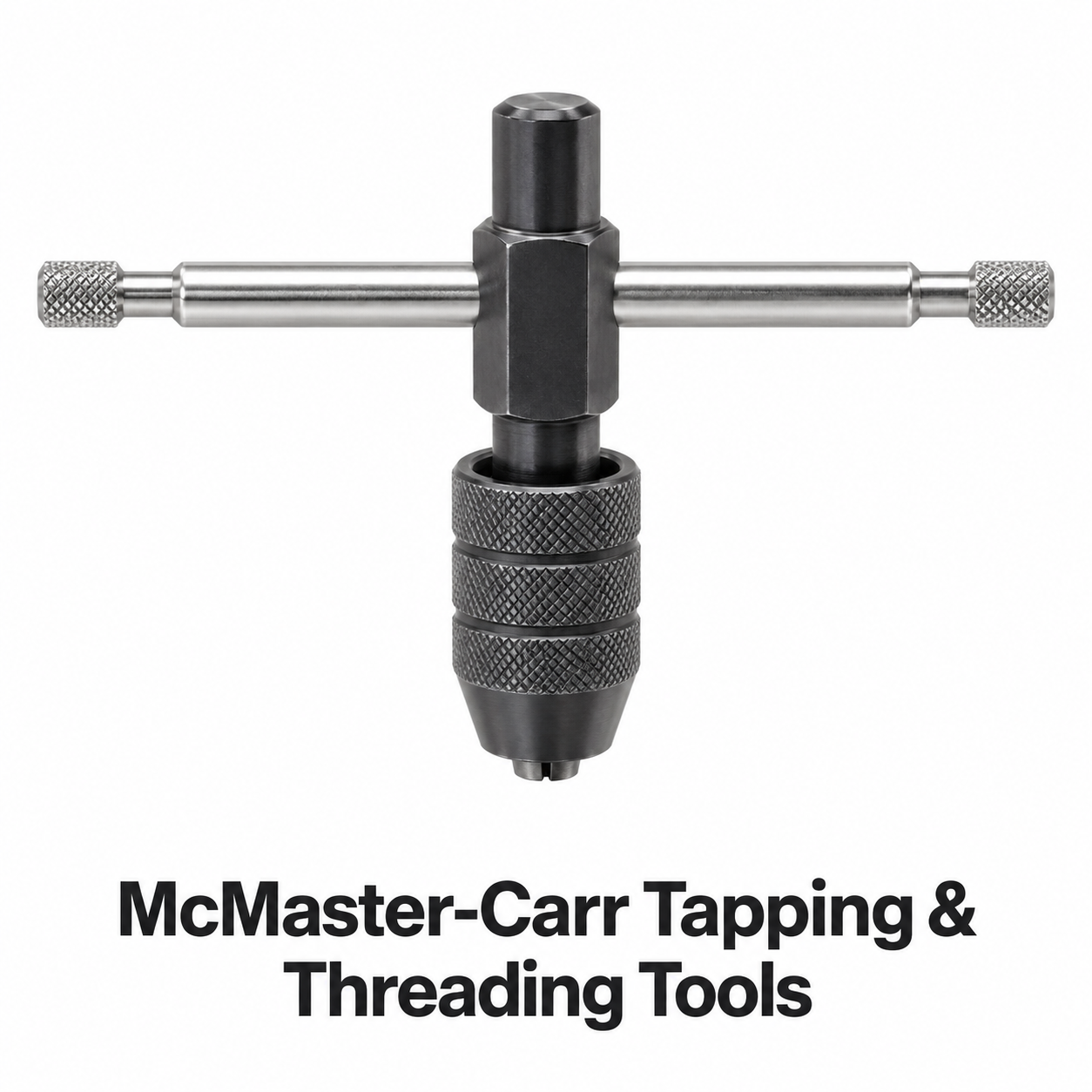
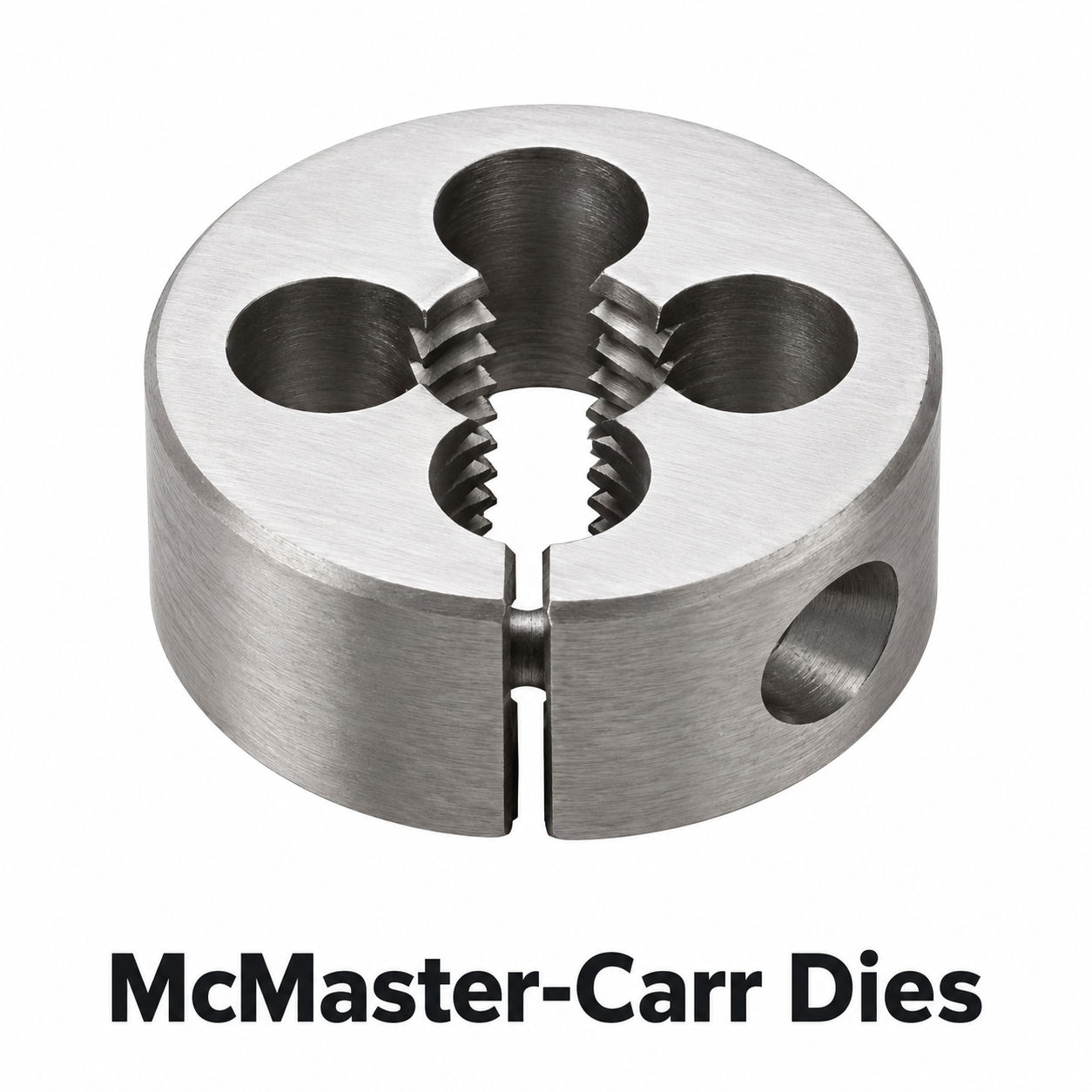
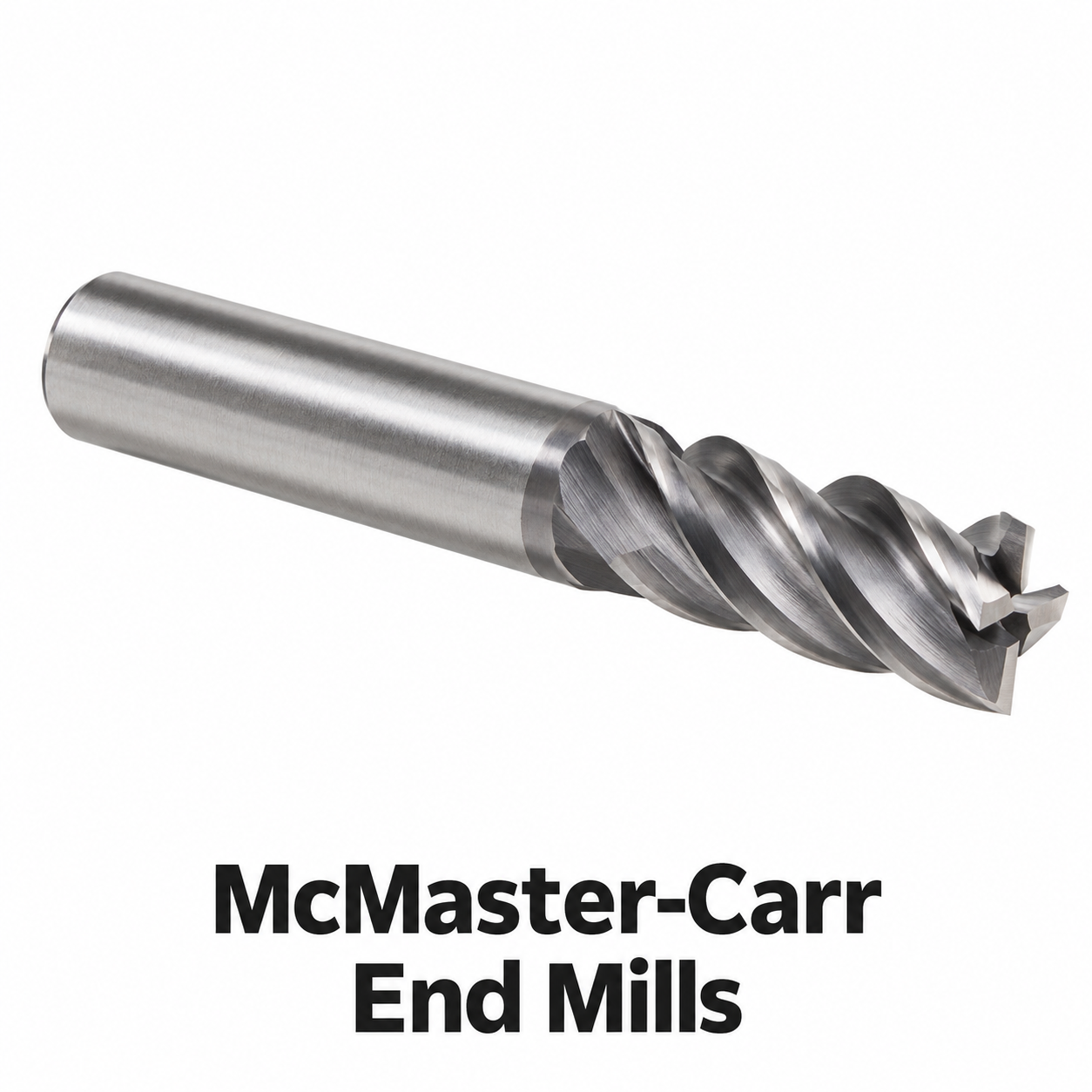
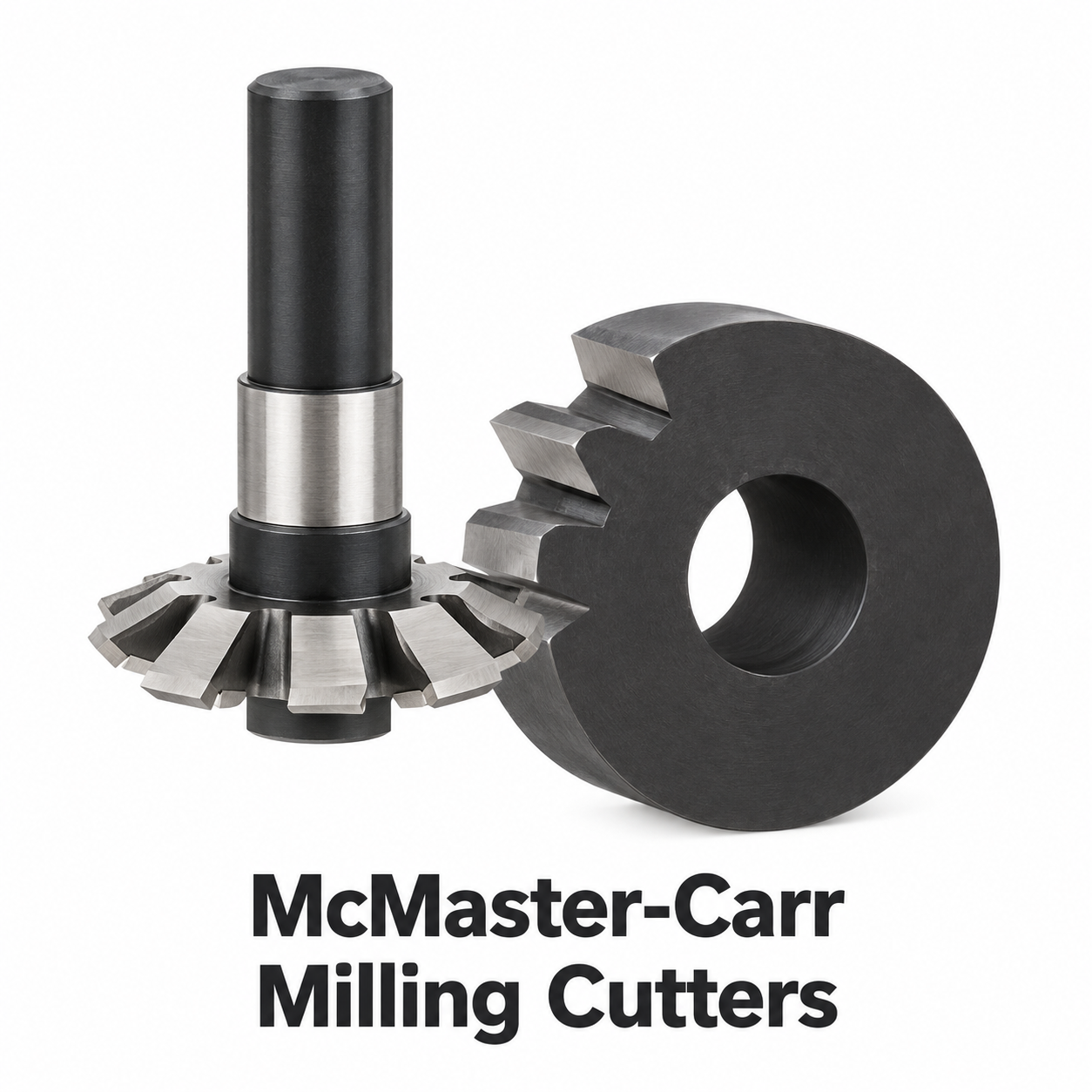
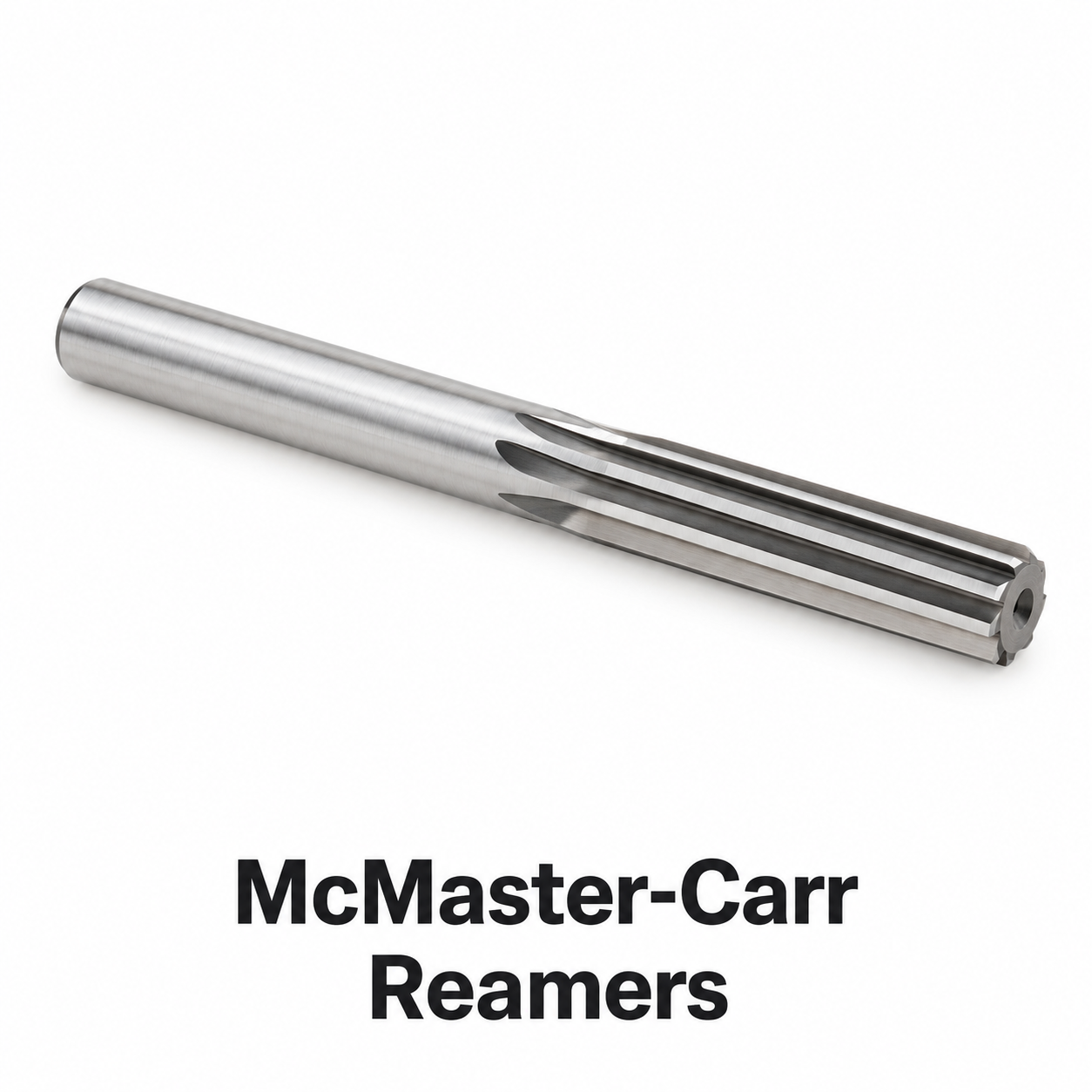
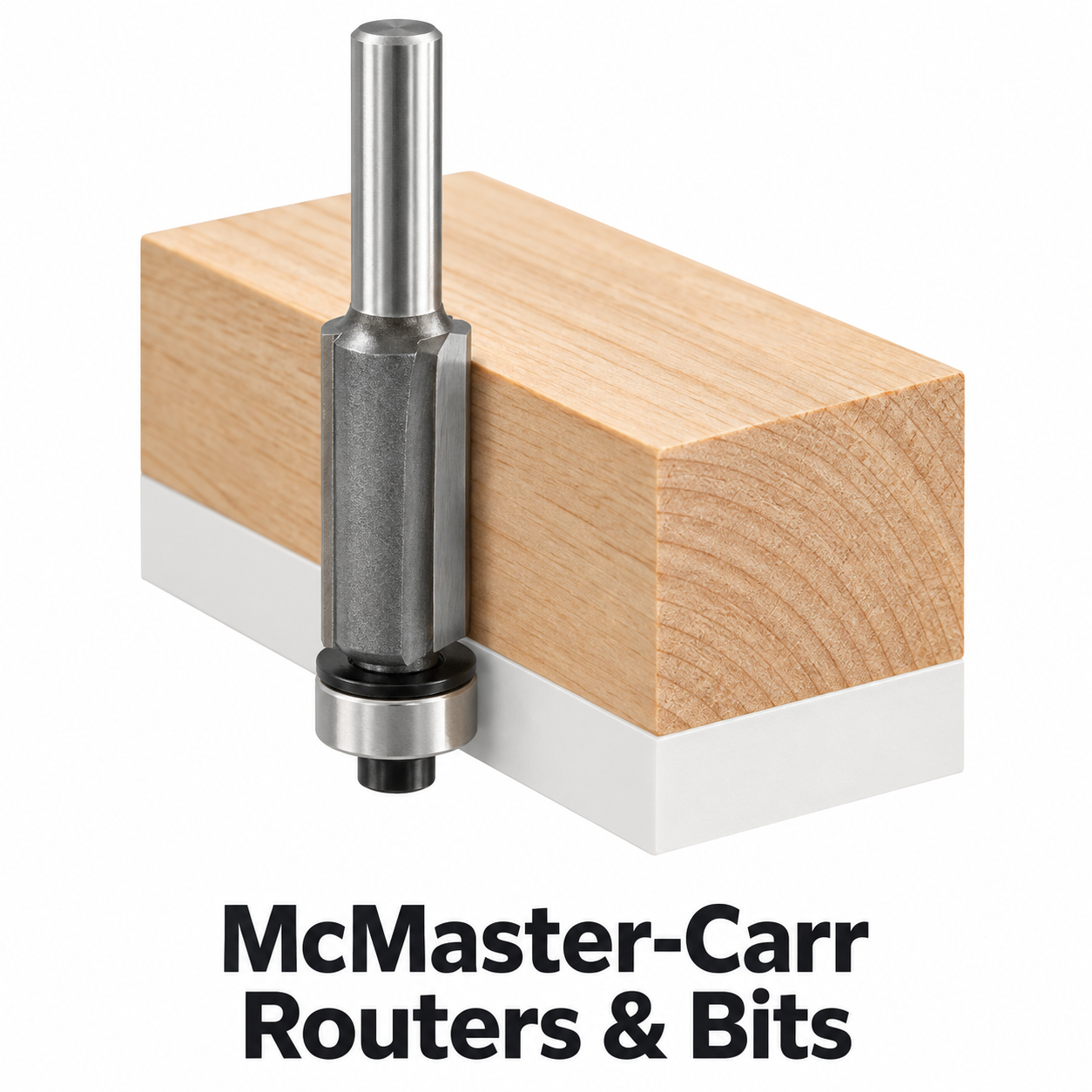
Machining: Drill Bits || Drill Bushings || Drills || Drill Chuck Arbors || Chucks || Collets || Countersinks || Counterbores || Lathe Tools || Carbide Inserts & Holders || End Mills || Milling Cutters || Reamers || Routers & Bits || Taps || Tapping & Threading Tools || Dies || Broaches || Layout Fluid & Scribers
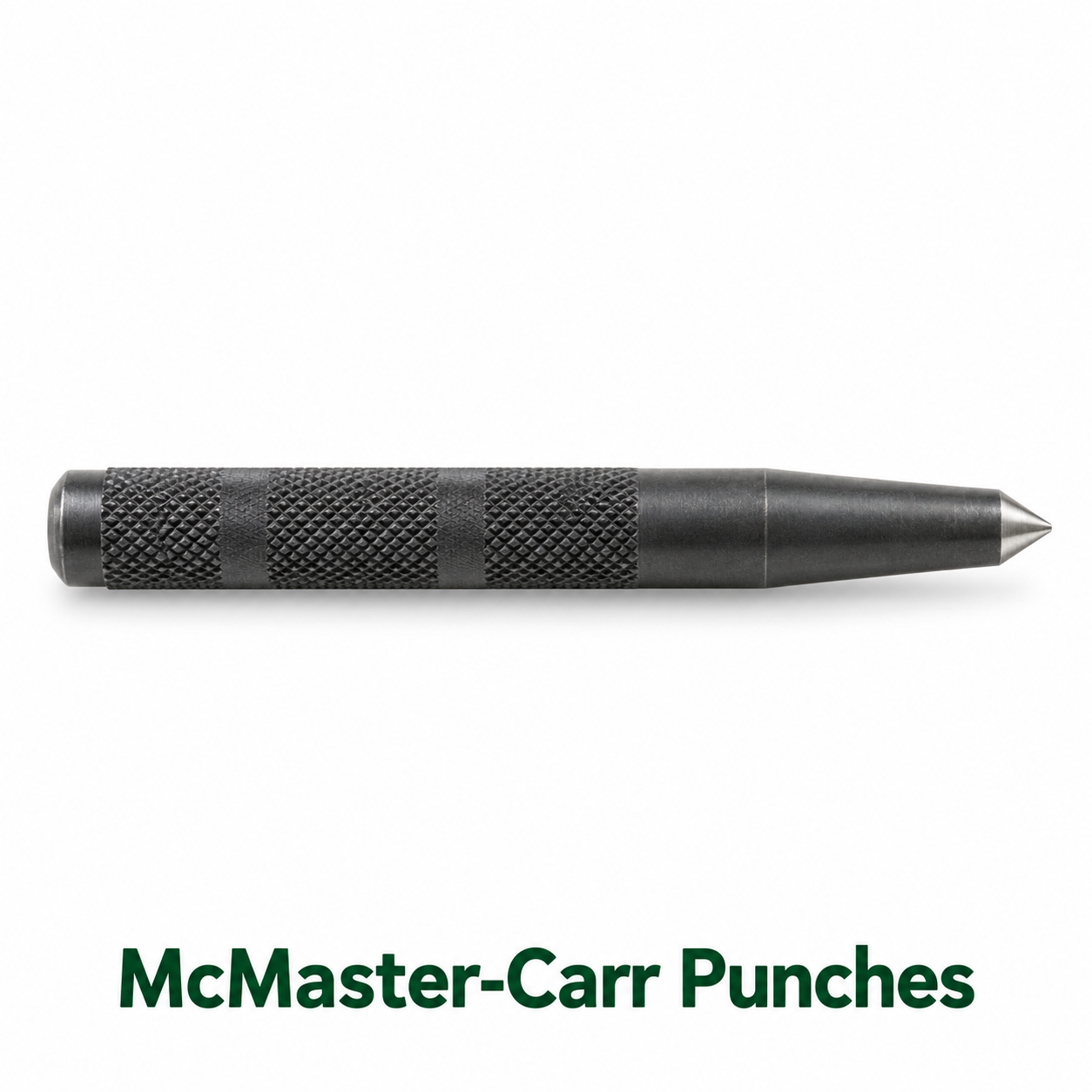
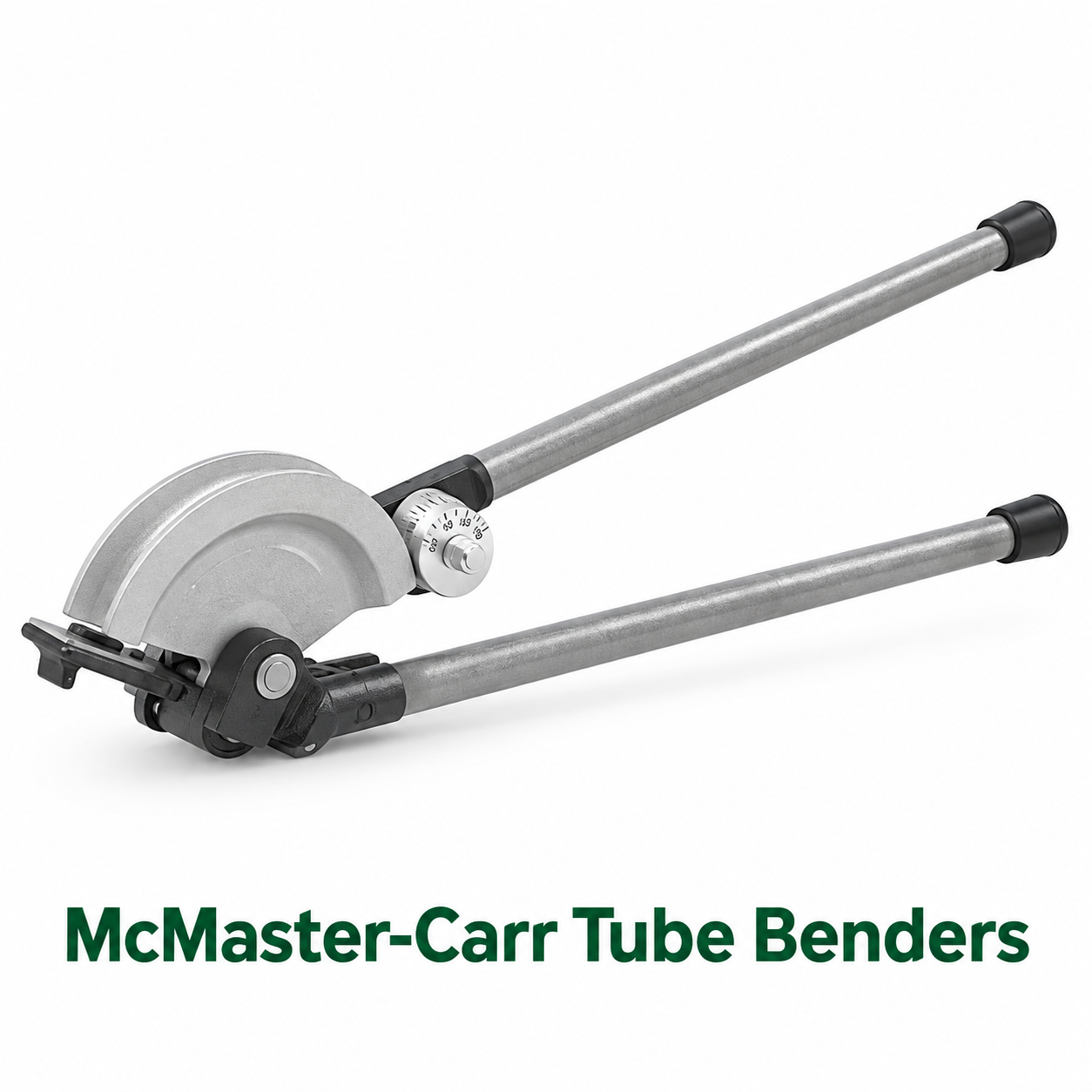
Forming: Presses || Sheet Metal Formers || Tube Benders || Punches
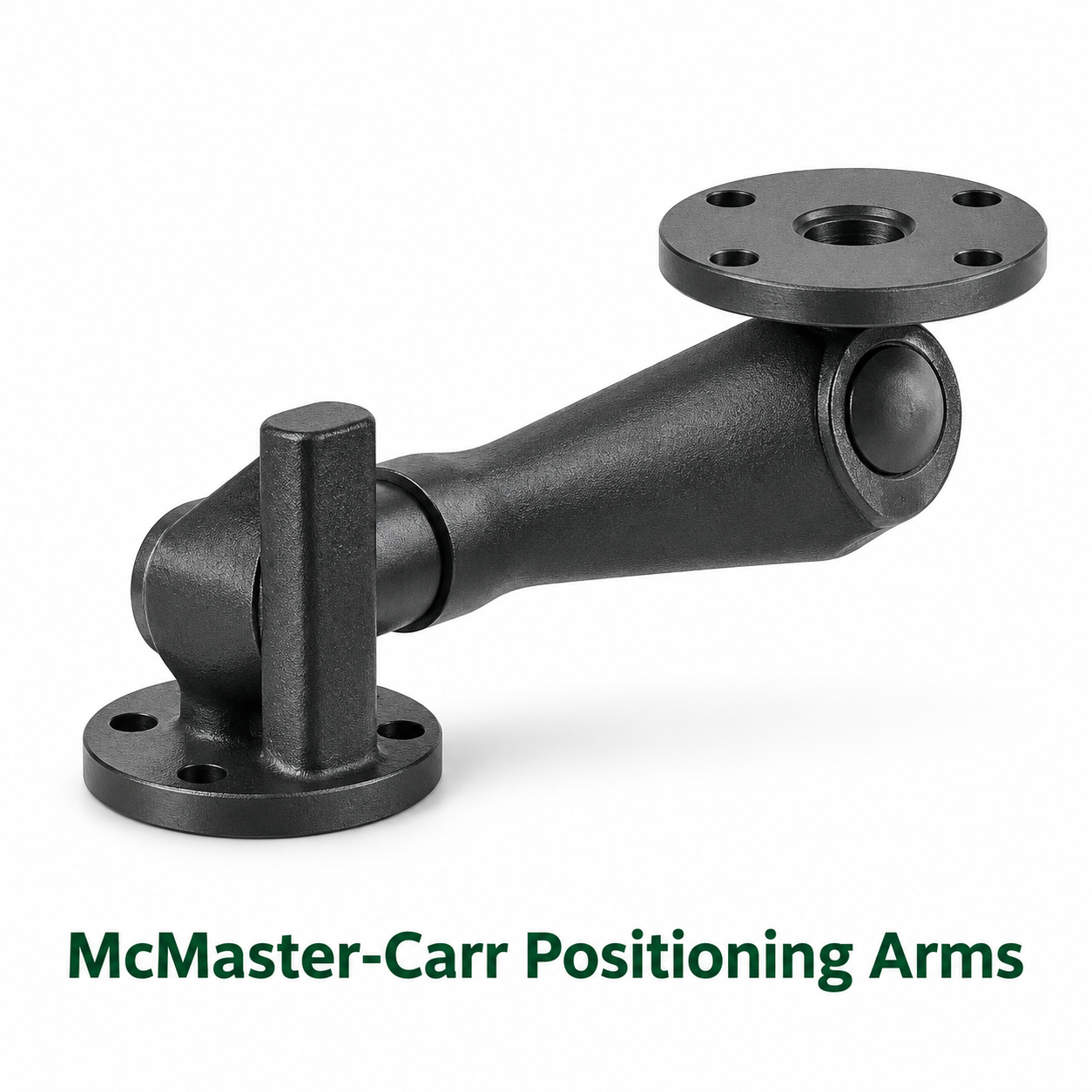
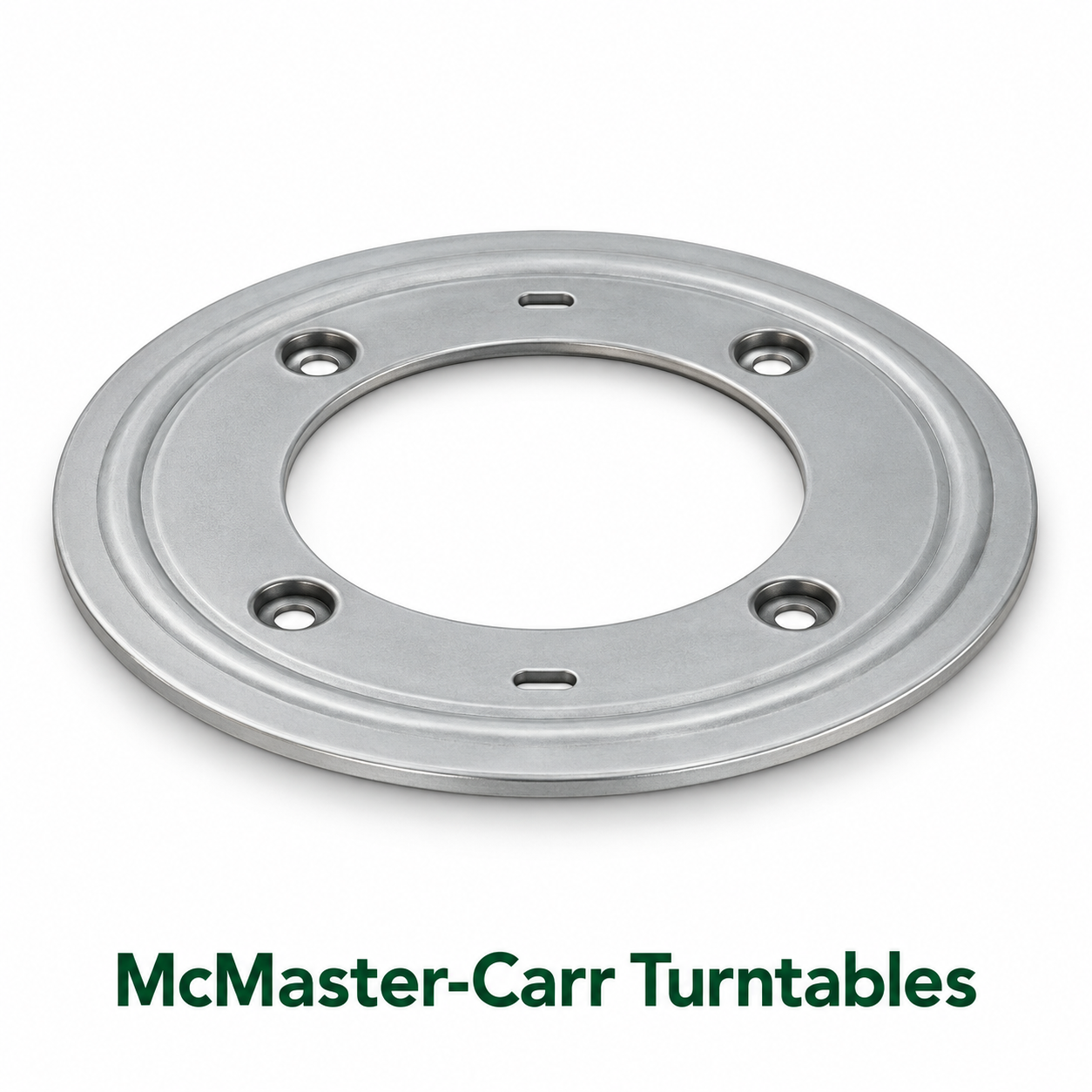
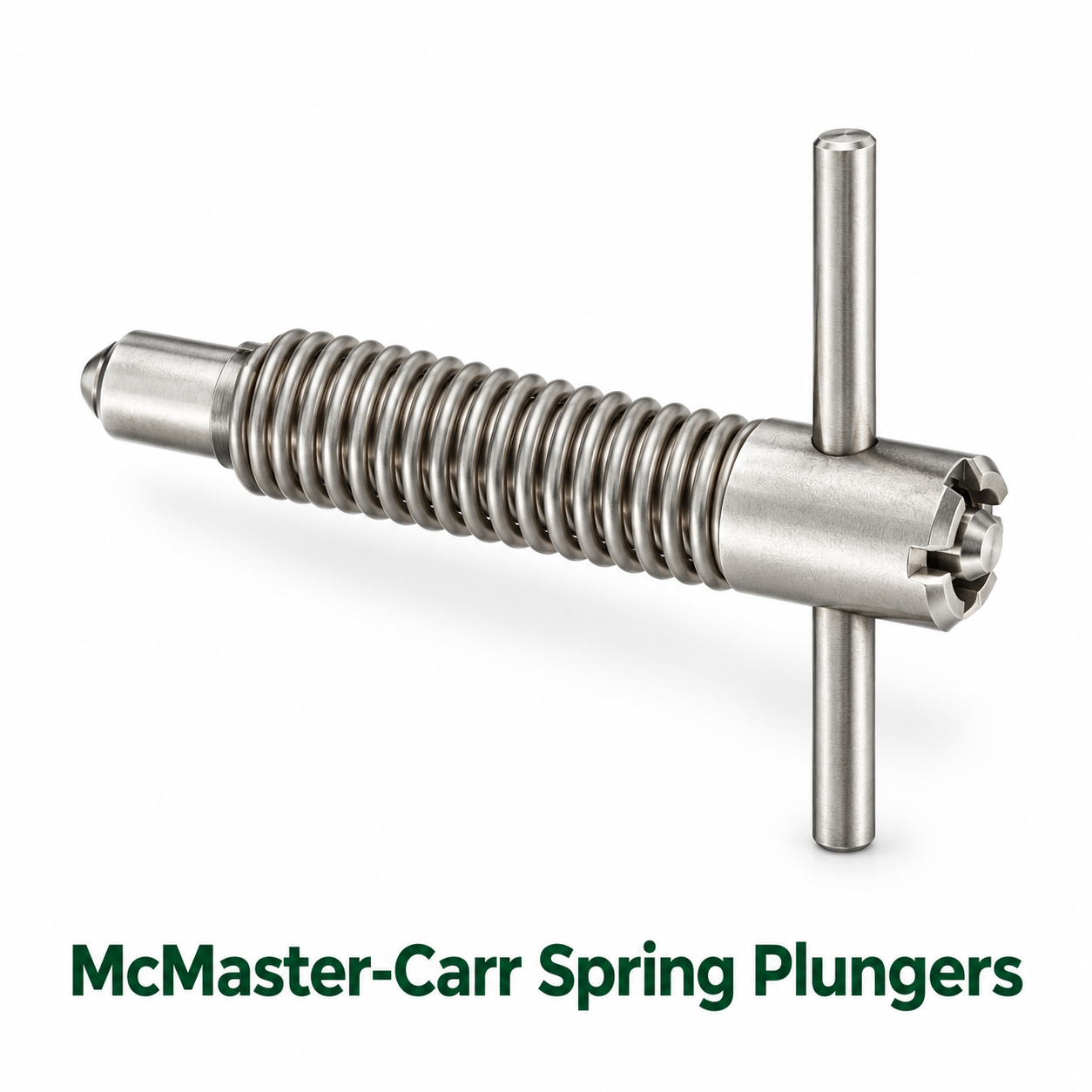
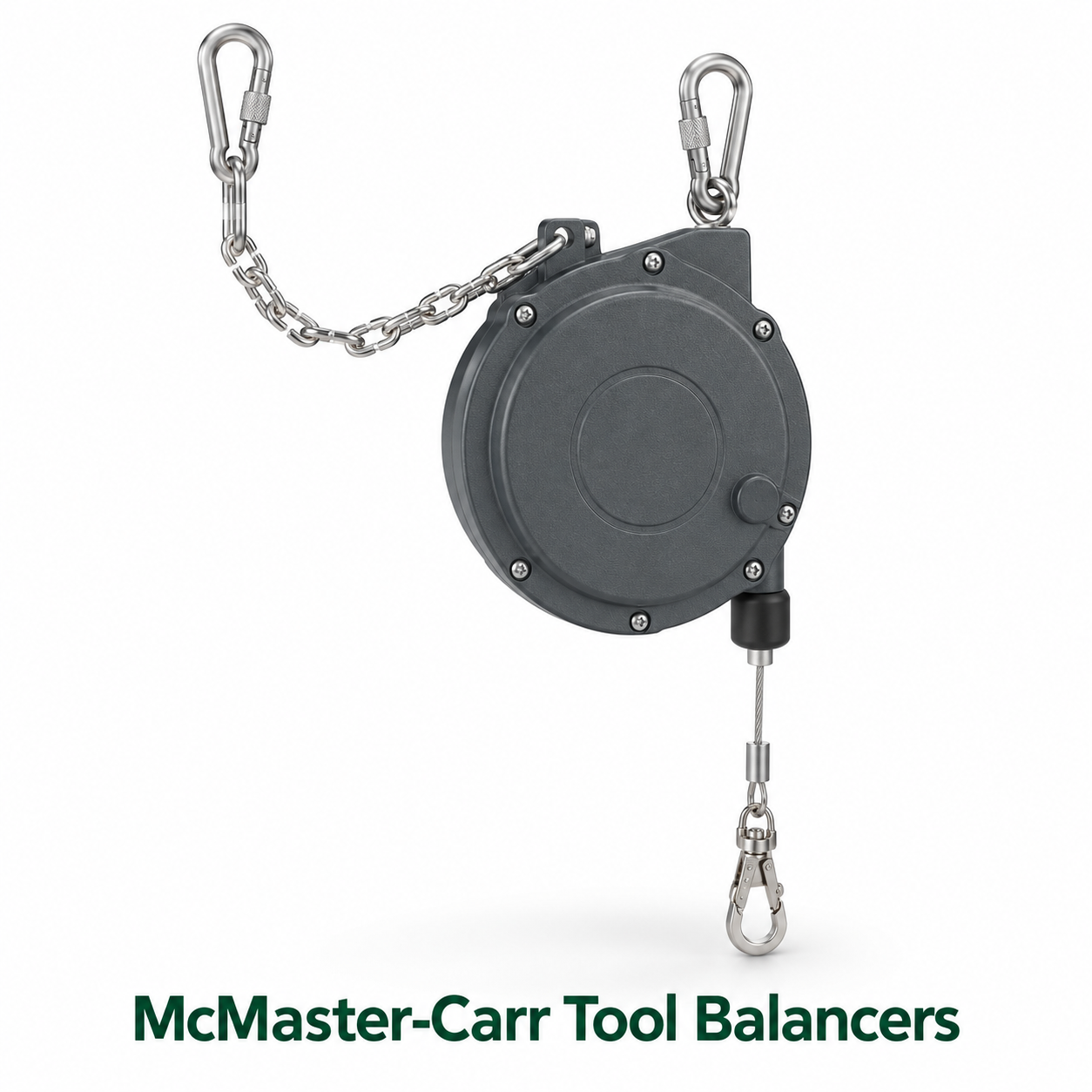
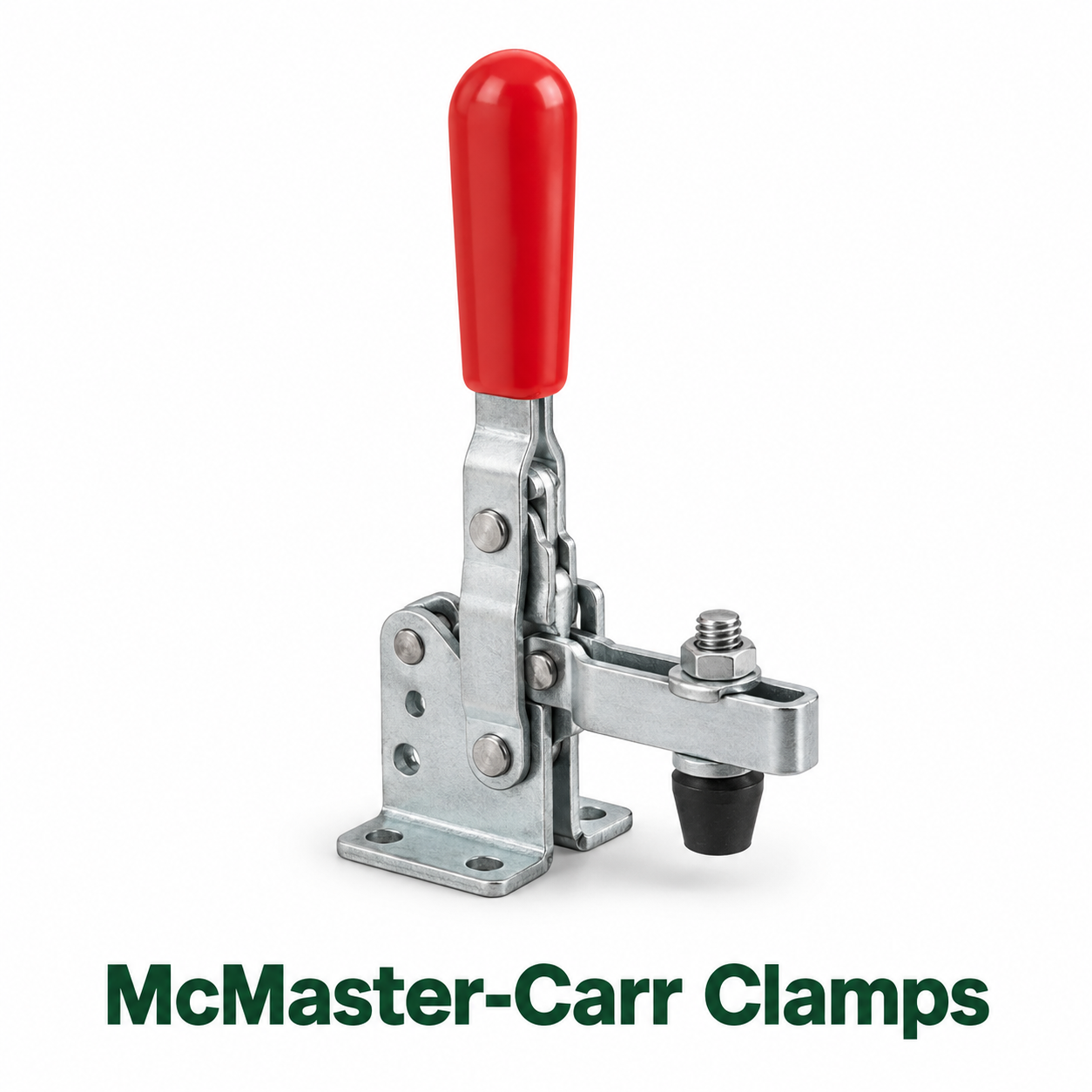
Clamping & Positioning: Clamps || Vises || Turntables || Positioning Arms || Spring Plungers || Tool Balancers
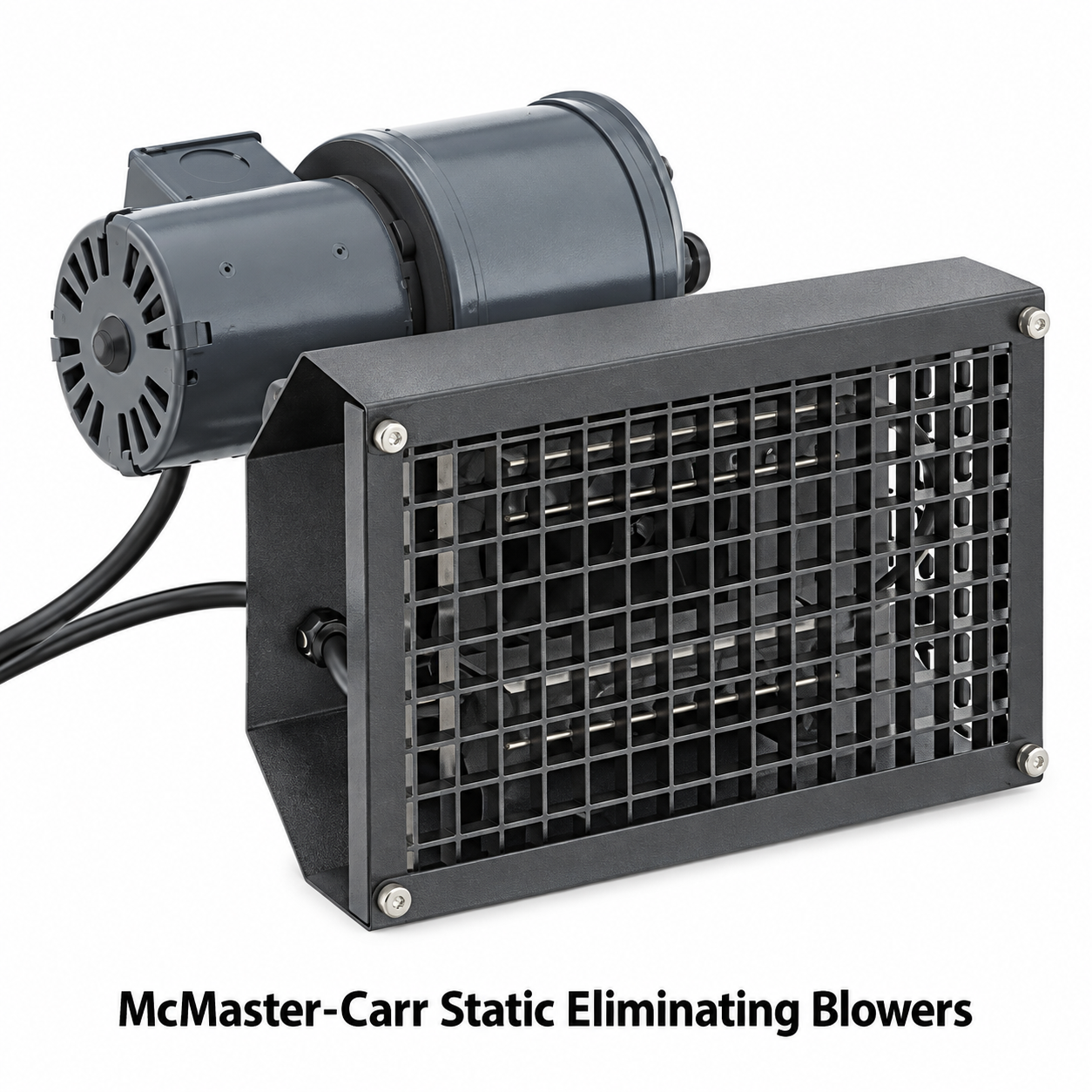
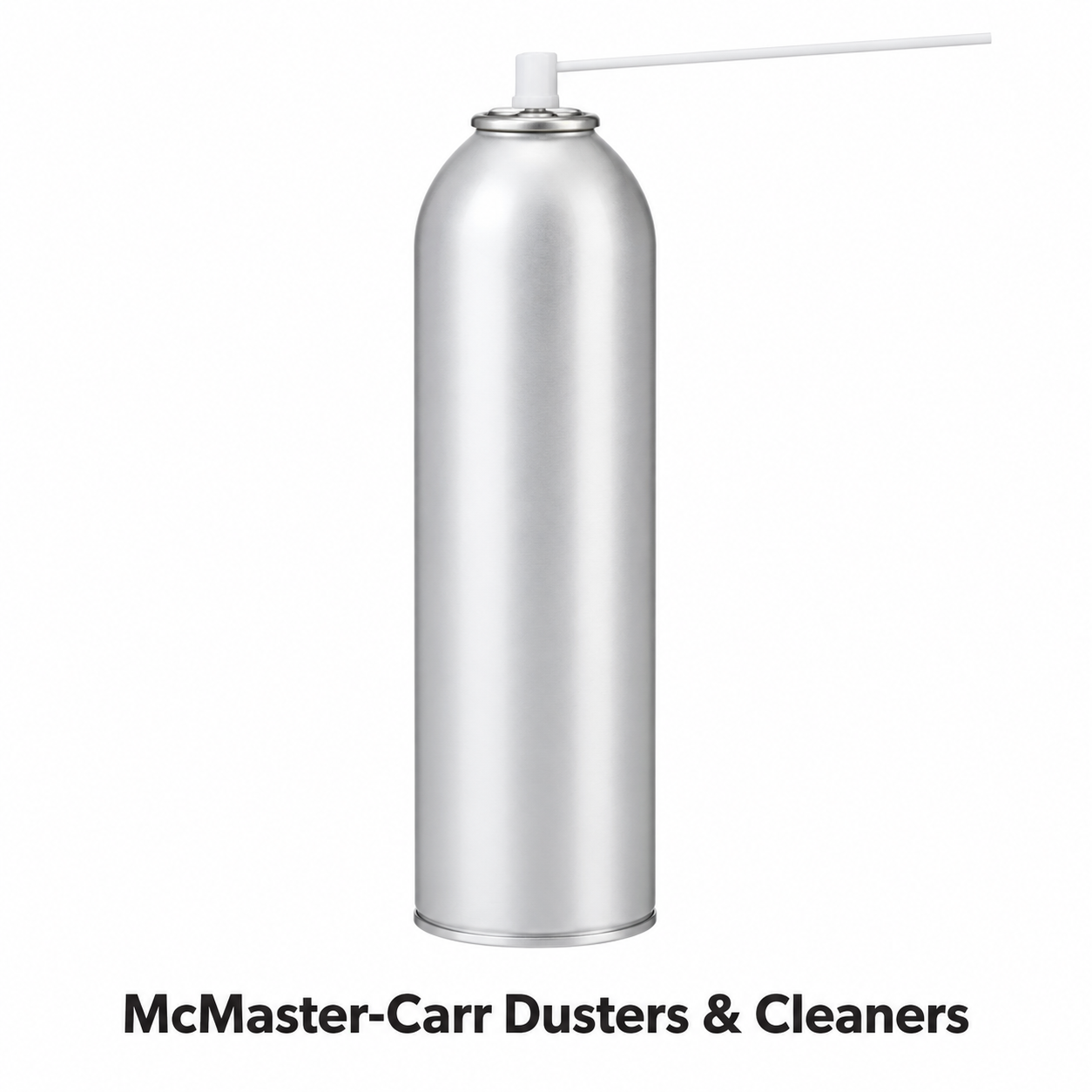
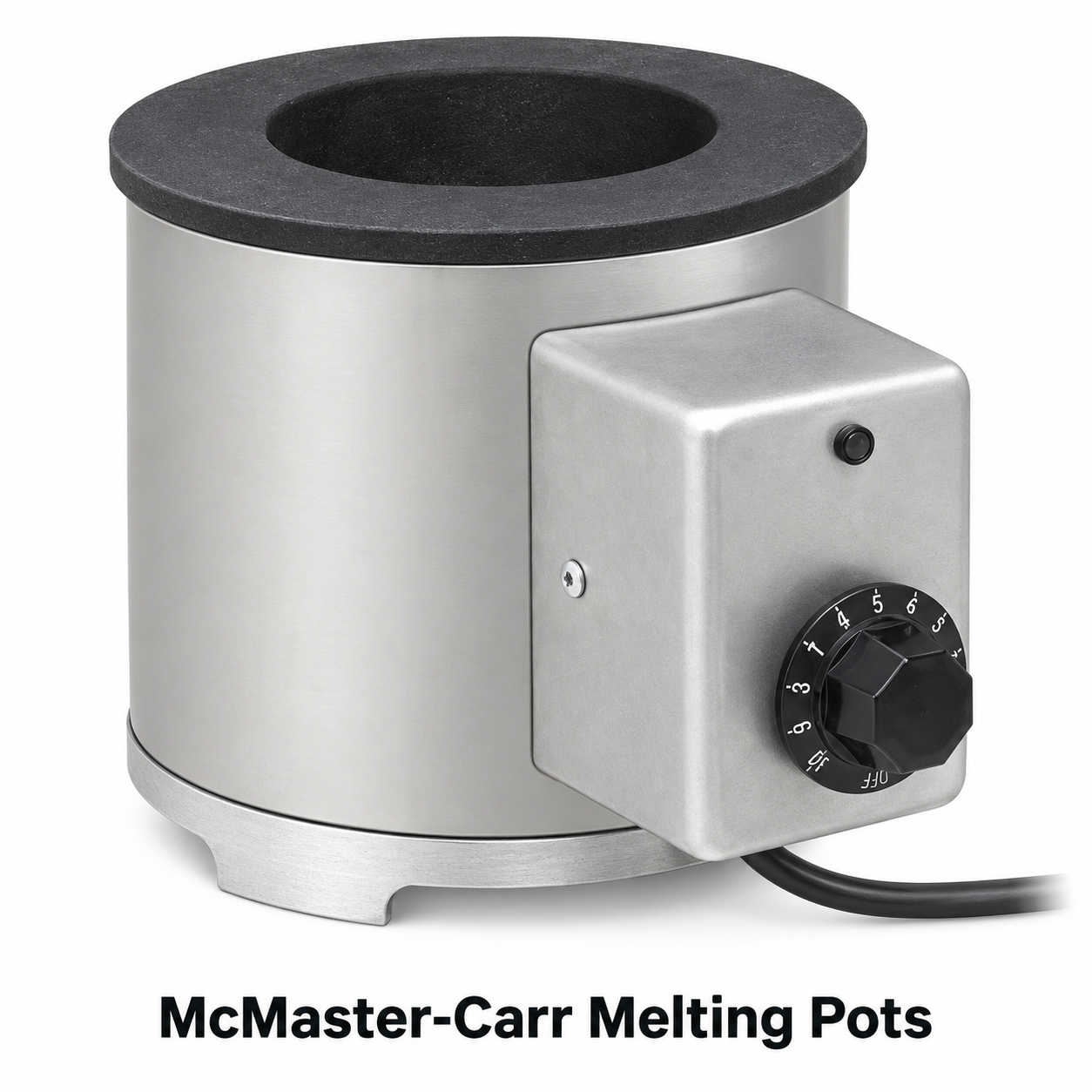
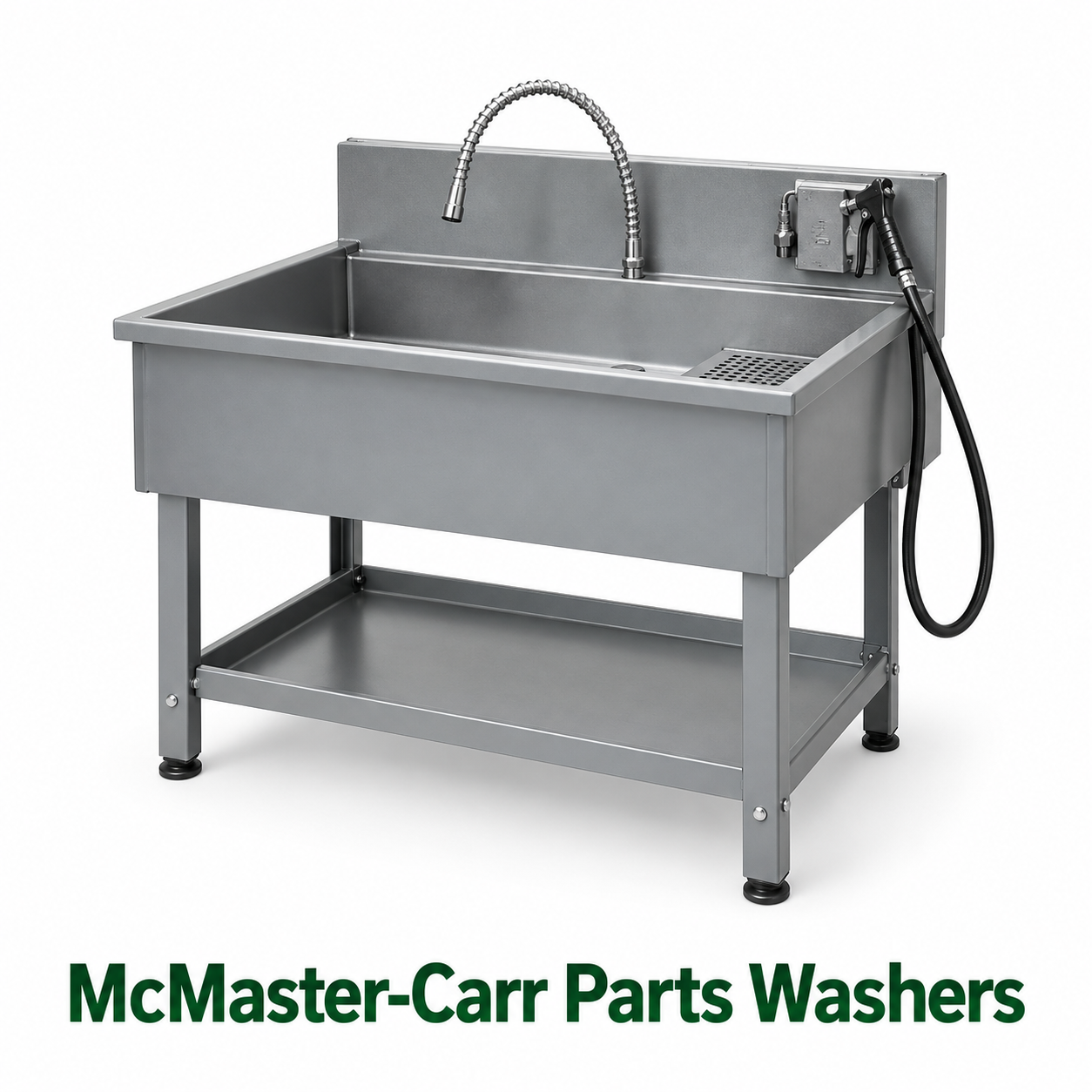
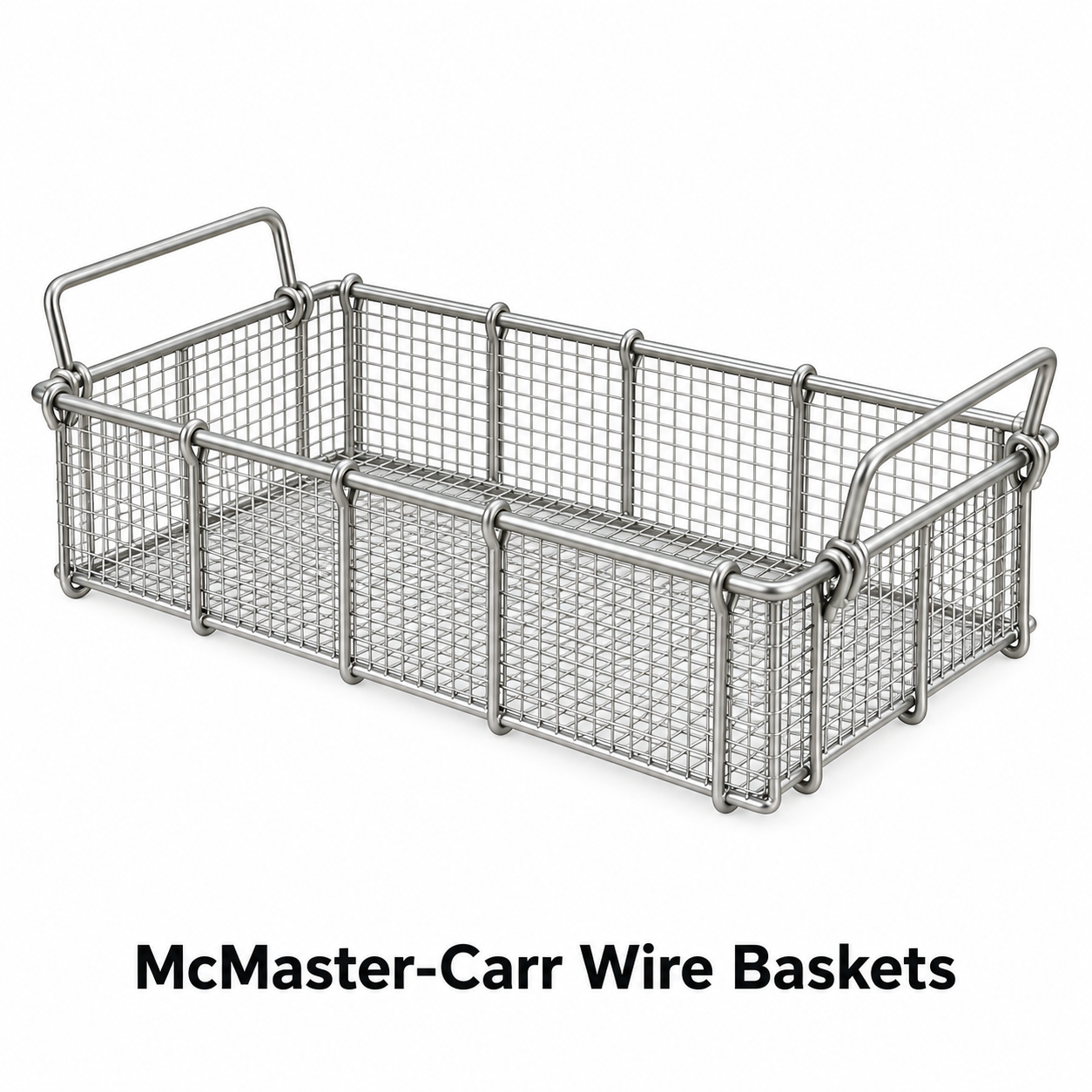
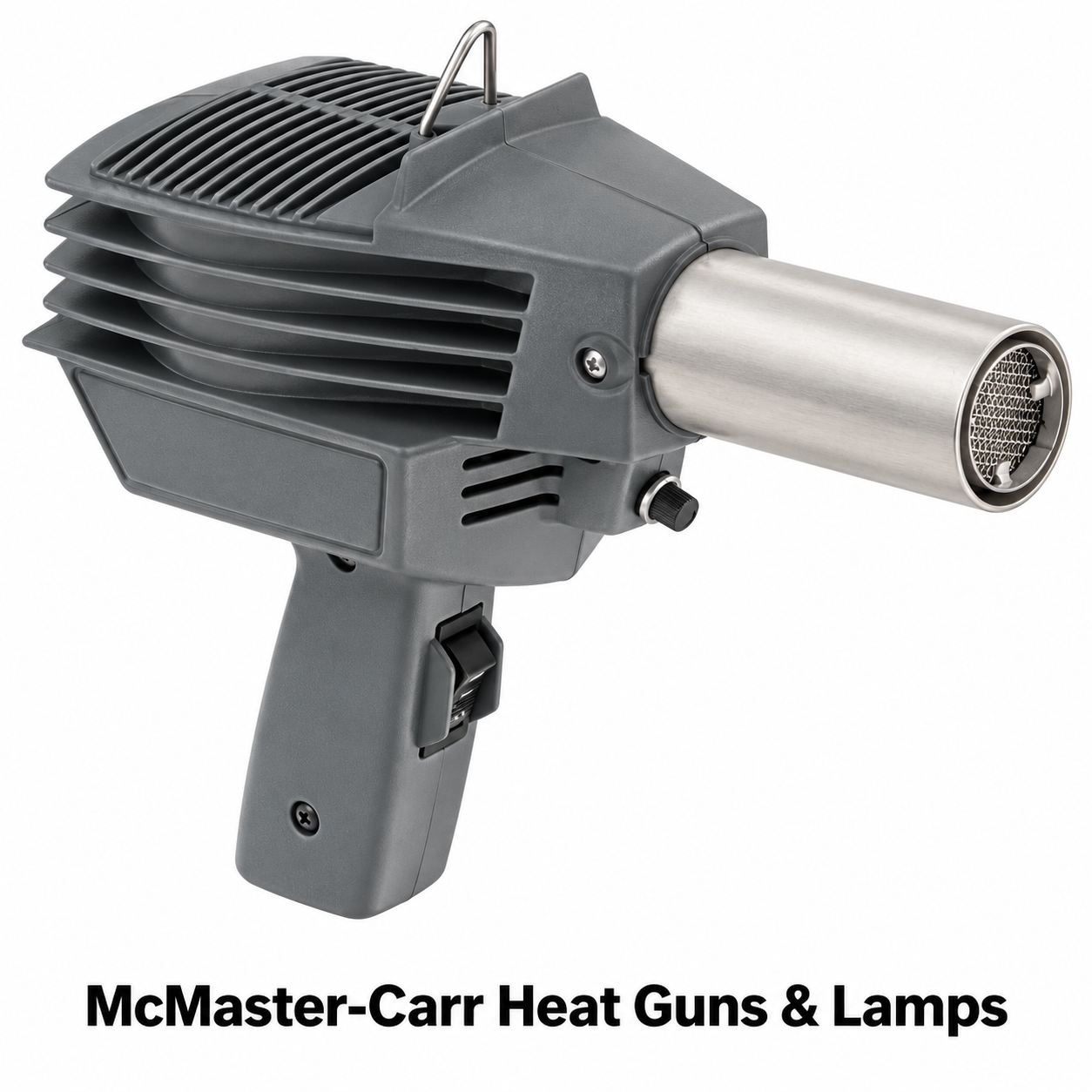
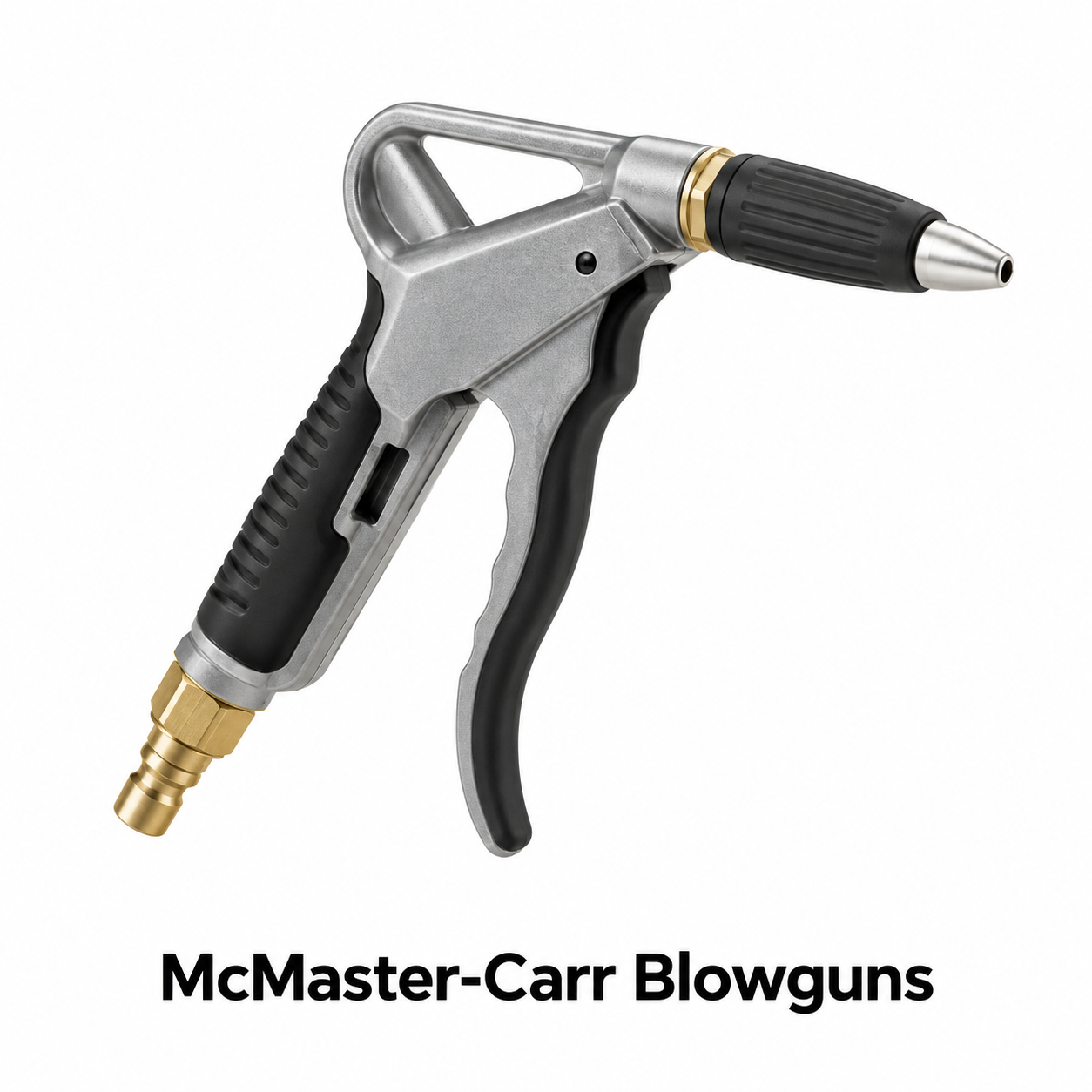
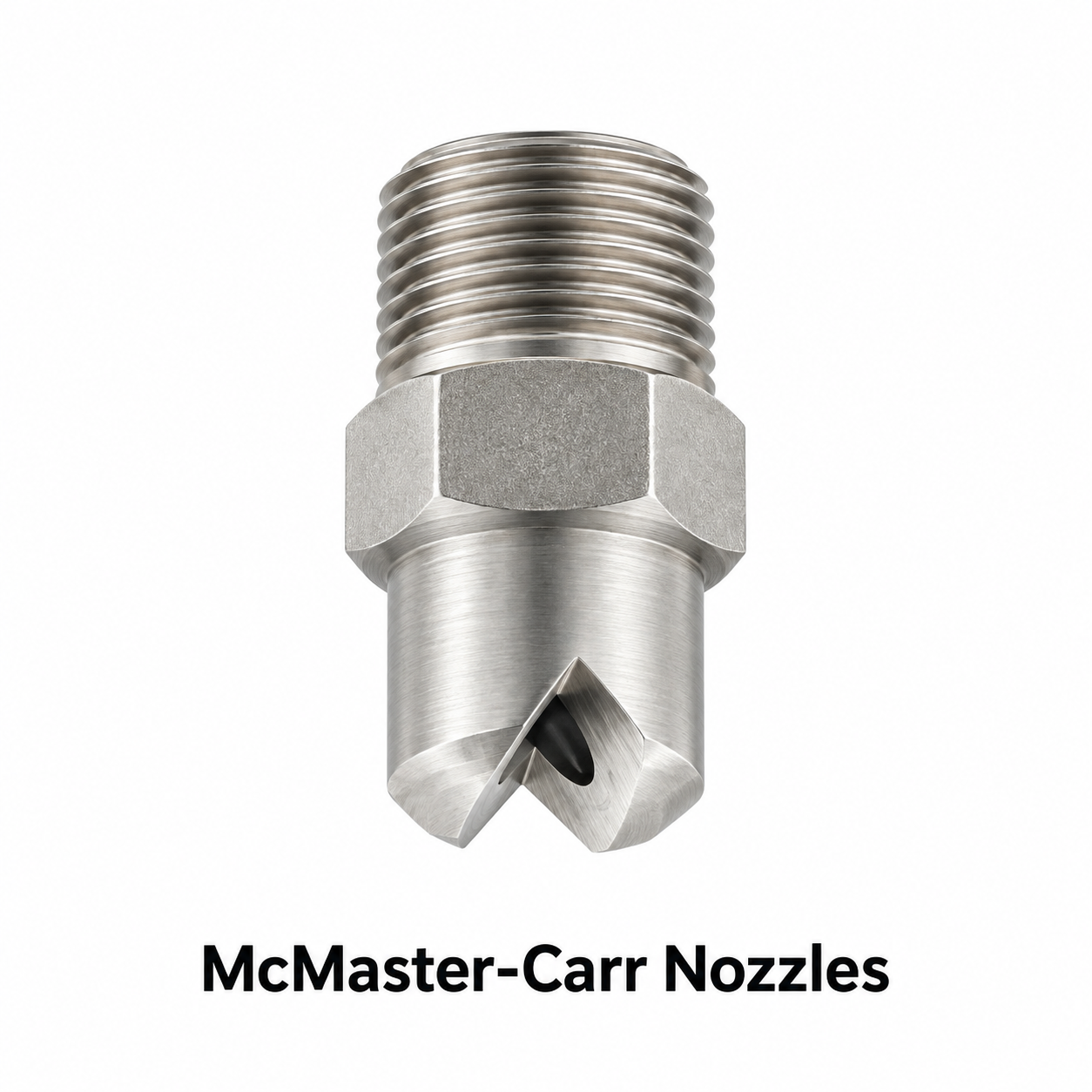
Parts Cleaning & Treating: Parts Washers || Wire Baskets || Nozzles || Blowguns || Dusters & Cleaners || Static Eliminating Blowers || Heat Guns & Lamps || Ovens & Furnaces || Hot Plates || Melting Pots
How Specification Matching Works
A category listing of McMaster-Carr Fabricating Parts means little to a fabrication engineer who needs to confirm a welding rod’s exact alloy composition, a rivet’s grip range, or a punch and die set’s exact bore tolerance before committing to a production run. SantEnt’s process starts with the buyer’s own specification — a McMaster-Carr part number where one exists, a drawing, or a physical sample sent for cross-referencing — rather than asking a buyer to browse a category and guess. This matters because a mismatched filler metal or an incorrect rivet grip range doesn’t just under-perform; it can produce a joint that fails a weld inspection or a structural test entirely.
Once a specification is confirmed, SantEnt’s team verifies it against the live McMaster-Carr Fabricating Parts catalog and flags any alloy, tolerance, or coating mismatch before a quote is issued — not after a production batch has already gone through fabrication. A buyer gets a confirmed part number, a stated material grade or alloy where relevant, and a lead time specific to that item, rather than a generic estimate covering an entire category. Pricing is quoted per order rather than published as a fixed list, because landed cost depends on the specific item’s HS classification, freight volume, and current duty structure — a blanket price list would misrepresent what any individual fabrication order actually costs.
Import & Compliance Process
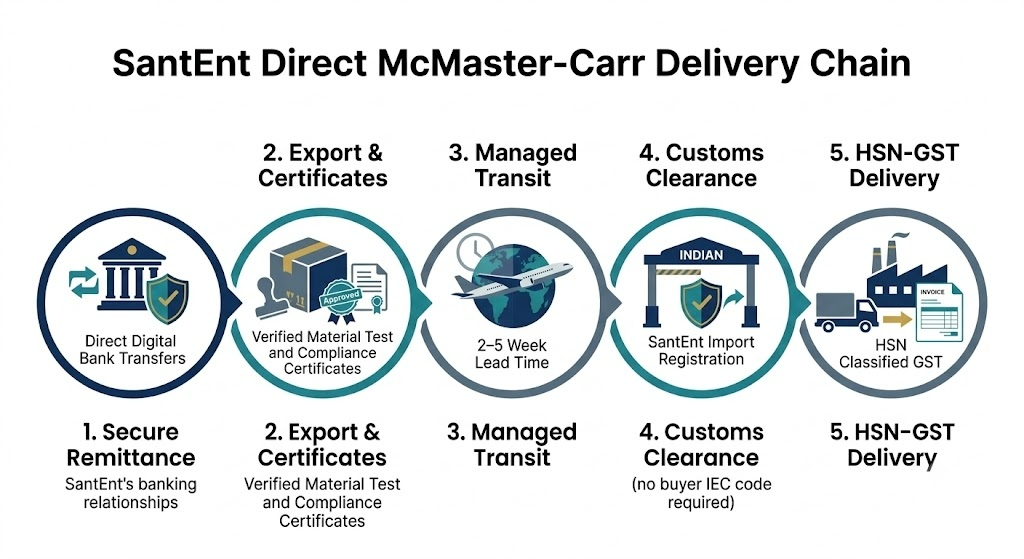
Getting McMaster-Carr Fabricating Parts from a US warehouse to an Indian fabrication shop involves international remittance, export documentation on the US side, and customs clearance and GST accounting once the shipment lands in India. SantEnt manages every stage of that chain directly, under its own import registration, rather than leaving a buyer to coordinate a separate freight forwarder. Lead times typically start at 2 weeks for standard consumables like welding rods and rivets, and extend to 4-5 weeks for larger equipment such as presses and bending brakes, with the specific window confirmed against the buyer’s actual parts list before an order is placed.
Where a part requires supporting documentation — a material test certificate for welding filler metal or fastener stock, a compliance certificate for pressure-relevant fabrication equipment — that documentation is requested and included with the shipment rather than left for the buyer to chase down afterward. GST is invoiced according to the applicable HSN classification for each item, so a buyer’s finance team receives documentation that reconciles cleanly against Indian tax filing requirements rather than a US-format invoice needing local translation.
Engineering and Technical Support
This matters most on requests that don’t fit neatly into a single category: a welding consumable that needs to match an obsolete process specification, a punch and die set that needs cross-referencing from a worn physical sample, a rivet that needs replacing on equipment where the original engineering documentation is long gone. These are exactly the situations where a keyword-matched category page is least useful, and where direct, responsive technical support actually earns its place in a fabrication shop’s procurement process.
Applications
McMaster-Carr Fabricating Parts sourced through SantEnt support the following use cases across Indian metalworking, assembly, and structural fabrication operations:
- Structural metal joining: Welding equipment and supplies, among the most frequently reordered McMaster-Carr Fabricating Parts, join metal parts through fusion, forming the backbone of structural fabrication across nearly every Indian manufacturing sector.
- Continuous consumable replenishment: Welding rods, wire, and electrodes, core McMaster-Carr Fabricating Parts, are consumed continuously on any active weld line and reordered on a predictable, recurring cycle.
- Lower-temperature metal joining: Soldering and brazing equipment and supplies, essential McMaster-Carr Fabricating Parts, join metal parts at lower temperatures than welding, common in electrical, plumbing, and precision assembly work.
- Heat-free structural and sheet-metal joining: Riveting tools and rivets, widely used McMaster-Carr Fabricating Parts, join sheet metal and structural components without heat, a category especially relevant in aerospace-adjacent and enclosure fabrication.
- Bonding non-weldable materials: Adhesives and tapes, classified as McMaster-Carr Fabricating Parts, bond dissimilar materials that can’t be welded, soldered, or riveted, common in composite and mixed-material assembly.
- Internal and external thread cutting: Threading and tapping tools, sourced as McMaster-Carr Fabricating Parts, cut internal and external threads into a workpiece, a foundational step in nearly every fastened assembly.
- Hole preparation for fasteners and fits: Drill bits, countersinks, and reamers, catalogued among McMaster-Carr Fabricating Parts, prepare holes to the exact diameter and finish a downstream fastener or precision fit requires.
- Edge finishing after cutting and machining: Deburring tools, part of the McMaster-Carr Fabricating Parts range, remove sharp edges left behind by cutting and machining operations, a small but constant finishing step in most fabrication shops.
- Identification and decorative marking: Metal stamping and marking tools, sourced as McMaster-Carr Fabricating Parts, imprint identification, part numbers, or decorative detail directly into a workpiece.
- High-volume sheet metal shaping and piercing: Punches and dies, specialised McMaster-Carr Fabricating Parts, shape or pierce sheet metal in a repeatable, high-volume process common on production-scale stamping lines.
- Flat stock forming and bending: Sheet metal forming tools and bending brakes, part of the McMaster-Carr Fabricating Parts range, shape flat stock into finished profiles for enclosures, brackets, and structural components.
- Sheet and plate sizing: Metal shears, sourced as McMaster-Carr Fabricating Parts, cut sheet and plate to size before or after forming, common in fabrication shops working from raw stock.
- Controlled-force pressing and assembly: Arbor and hydraulic presses, essential McMaster-Carr Fabricating Parts, apply controlled force for pressing, forming, and assembly work across a wide range of part sizes.
- General shop grinding and sharpening: Bench grinders, catalogued as McMaster-Carr Fabricating Parts, sharpen tools and remove material during general shop work, a fixture in nearly every fabrication bay.
- Heavy-gauge metal cutting and workholding: Cutting torches and torch tips handle heavy-gauge metal cutting mechanical tools can’t manage economically, while fabrication clamps, vises, and anvils, all part of the McMaster-Carr Fabricating Parts range, hold and support a workpiece through every stage of the shaping process.
Why Choose SantEnt for McMaster-Carr Fabricating?
- Specification-first quoting, not category browsing: Every quote is built against a real part number, drawing, or sample, with McMaster-Carr Fabricating Parts matched at the alloy and tolerance level rather than sold off a generic listing.
- Genuine parts guarantee: Every McMaster-Carr Fabricating Part is sourced directly, with no compromise on authenticity — a material concern for welding consumables and structural fasteners, where a counterfeit or mismatched product can fail a weld or joint inspection.
- Technical documentation, including material test certificates: Detailed specs, material test certificates, and compliance certificates are supplied wherever available for McMaster-Carr Fabricating Parts, supporting the accurate decisions engineering and quality teams need to sign off on purchases.
- Transparent, order-specific pricing: Pricing for McMaster-Carr Fabricating Parts is quoted against the buyer’s actual parts list and current landed-cost factors — freight, duty classification, GST — rather than published as a blanket rate that doesn’t reflect what any real order costs.
- Consolidated shipping to India: SantEnt handles logistics end-to-end till your door for combined orders of welding supplies, rivets, and presses, instead of tracking multiple international parcels separately.
- Named import and customs handling: SantEnt manages remittance, export documentation, and Indian customs clearance directly under its own import registration, rather than leaving a buyer to coordinate a separate freight forwarder.
- Reliable, order-specific lead times: Delivery schedules for McMaster-Carr Fabricating Parts shipped to Indian buyers are confirmed against your specific parts list before you place an order, typically starting from 2 weeks for standard consumables.
- Direct engineering input, not a form queue: SantEnt’s team engages with alloy compatibility, tolerance, and rivet-sizing questions directly, whether you’re working from a part number, a drawing, or a worn physical sample.
- Sourcing expertise beyond a generic catalog: As an authorised distributor for Schaeffler/FAG, Dodge, and Optibelt alongside its McMaster-Carr Fabricating Parts sourcing role, SantEnt brings direct product knowledge of the fabrication equipment Indian manufacturers actually run.
- Single point of accountability: SantEnt acts as one sourcing partner for welding, riveting, forming, and pressing equipment, which simplifies vendor management and after-sales conversations if an issue does arise.
- Audit-ready traceability: Every McMaster-Carr Fabricating Part supplied through SantEnt carries traceable documentation back to a genuine source, useful when a quality audit asks for proof of a filler metal’s certified composition.
- Support across multiple facility types: SantEnt’s customer base spans Mining, Aerospace, Electronics, Machine Tools, Automation, Robotics, and Process Industries, giving its team practical exposure to how McMaster-Carr Fabricating Parts are specified across very different fabrication processes.
- No minimum-order friction: SantEnt sources a single McMaster-Carr Fabricating Part as readily as a bulk order for a full fabrication-line consumables restock, which matters for shops that need to top up one item without placing an unnecessarily large order.
- Consistency across repeat orders: Facilities that reorder the same welding rods, rivets, or punch and die sets on a recurring basis deal with the same sourcing relationship each time, avoiding specification drift from switching local vendors.
- A partner that understands Indian compliance context: SantEnt’s decades of experience with Indian customs, GST, and import compliance mean McMaster-Carr Fabricating Parts arrive with the documentation Indian production and finance teams actually need, rather than paperwork built only for a US buyer.
SantEnt’s global sourcing network allows you to execute your McMaster-Carr Fabricating Parts imports through a single point of supply, a single invoice, and with official certificates of compliance. We undertake every step of the import process on your behalf: international remittances, customs clearance, banking & compliance formalities, pre-dispatch inspection, packing, forwarding, sorting and door delivery. This end-to-end model is particularly relevant for fabrication equipment, where individual items can be alloy-specific and tolerance-critical — welding filler metals, rivets, and punch and die sets all present classification and quality-verification challenges that a first-time international buyer would otherwise have to solve alone.
Frequently Asked Questions
- ***Is SantEnt an authorised McMaster-Carr distributor?**
SantEnt is an independent distribution partner for McMaster-Carr Fabricating Parts in India. SantEnt is not formally appointed as a distributor by McMaster-Carr, and instead operates as a sourcing and import intermediary — procuring genuine parts on your behalf and managing customs clearance and compliance documentation. - ***How long does McMaster-Carr Fabricating Parts sourcing take from India?**
Lead times typically start at 2 weeks for standard consumables like welding rods and rivets, and extend to 4-5 weeks for larger equipment such as presses and bending brakes, confirmed against your specific parts list before you commit to an order. - ***What McMaster-Carr Fabricating Parts can SantEnt supply?**
SantEnt can supply every category in the Fabricating division — welding supplies, rivets, punches and dies, presses, bench grinders, and more — for single components or bulk orders, with no minimum order requirement. - ***Are the parts 100% genuine?**
Yes. Every McMaster-Carr Fabricating Part order sourced through SantEnt is genuine, with no compromise on specification, and is supported by certificates of compliance — important for weld-critical items like filler metal and structural rivets, where a counterfeit product can fail a weld or joint inspection. - ***How is pricing determined, and why isn’t there a published price list?**
Pricing depends on the specific part’s landed cost — freight, HS classification, and current duty and GST treatment — so SantEnt quotes against each buyer’s actual parts list rather than publishing a fixed rate that wouldn’t reflect any real order’s true cost. - ***Does SantEnt provide material test certificates for welding consumables?**
Yes. Technical documentation, including material test certificates and compliance certificates, is supplied wherever available for McMaster-Carr Fabricating Parts, so quality teams have what they need to sign off before a filler metal or fastener goes into production. - ***How does SantEnt handle customs clearance and GST on these imports?**
SantEnt manages remittance, export documentation, and Indian customs clearance under its own import registration, then invoices according to the applicable HSN classification so the paperwork reconciles cleanly against Indian GST filing requirements. - ***What if the McMaster-Carr Fabricating Part I need isn’t listed under the named categories?**
McMaster-Carr’s catalog runs to over 700,000 products, so many specific items exist beneath the category names shown here. Share a part number, drawing, or sample, and SantEnt’s team will confirm sourcing before you place an order. - ***Does SantEnt help verify alloy compatibility, tolerances, or rivet sizing, or only fulfil confirmed part numbers?**
Both. If you already have a confirmed part number, SantEnt sources it directly. If you’re still verifying an alloy match or a tolerance, SantEnt’s team engages with that question directly rather than routing it through an automated form. - ***Is warranty or after-sales support different from buying McMaster-Carr Fabricating Parts directly from the US?**
SantEnt stands behind every order with its own certificates of compliance and an after-sales point of contact based in India, so issues are raised locally rather than routed through an international support process. - ***Is there a minimum order value for McMaster-Carr Fabricating Parts sourced through SantEnt?**
No. SantEnt sources single components as readily as bulk orders, though very small orders may carry proportionally higher freight and customs costs, factored transparently into the quote. - ***Can SantEnt supply matching fabrication consumables for a process qualified elsewhere?**
Yes, provided the part can be identified against the McMaster-Carr catalog. SantEnt can source the exact matching McMaster-Carr Fabricating Part using a part number, drawing, or physical sample, even if the original wasn’t sourced through SantEnt. - ***How does SantEnt verify that a Fabricating part matches the exact specification requested?**
Every McMaster-Carr Fabricating Part is matched against the buyer’s specification — part number, alloy, tolerance, or sample — before dispatch, so discrepancies are caught before the order is finalised, not after the shipment arrives. - ***Can export-oriented Indian manufacturers use SantEnt for facilities outside India?**
SantEnt’s core service is built around importing into India, so cross-border requirements are best confirmed directly — reach out with destination and requirement details, and SantEnt’s team will advise whether the request can be accommodated. - ***How do I request a quote?**
Reach out at +91 62920 38100 or info@santent.in with your requirement, and we’ll revert with net pricing and availability. Sharing a part number, drawing, or sample speeds up the quote, particularly for custom alloy or tolerance configurations.
Contact SantEnt now for the Best Prices & Ready Stock!